



![[Gallery] Townsman Car Show](https://www.racingjunk.com/news/wp-content/uploads/2026/05/916_2843-e1780072552171-376x206.jpg)


![[Gallery] Antique Auto Club of Cape Canaveral’s 2026 Celebration of Cars](https://www.racingjunk.com/news/wp-content/uploads/2026/05/DSC_4116-e1779467351967-376x206.jpg)




Slip and Slide with a Faulty Automatic: The Basics Of Automatic Transmission Troubleshooting
Click Here to Begin Slideshow
Right up front, this is a back-to-basics article. Advanced readers can take note and if you chose, skip right on by! But if you’re having automatic transmission grief, this just might be a good place to begin:
The automatic transmission found in most of today’s vehicles (and that includes hot rods, race cars and tow trucks) is a complex device -- in fact, much more complicated than a manual gearbox. Essentially, all of the operations a driver handles in a vehicle with a manual transmission is handled by the transmission automatic application. No matter what brand, automatic transmissions essentially have the same features: They include one or more sets of planetary gears, a fluid coupling or torque converter and a valve body, which has control valves to direct hydraulic fluid inside the transmission to operate different parts of the equipment.
While most automatics function similarly, the various control systems used by the respective vehicle manufacturers tend to differ considerably. An automatic transmission can be controlled hydraulically by throttle movements, by engine vacuum, speed sensitive governors or by some electrical device (or more and more often today, some form or electronic device). Any or all of these types of controls can be included on any one manufacturer’s transmission
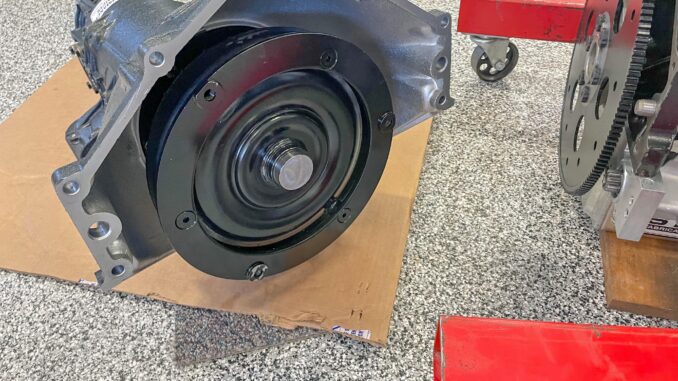
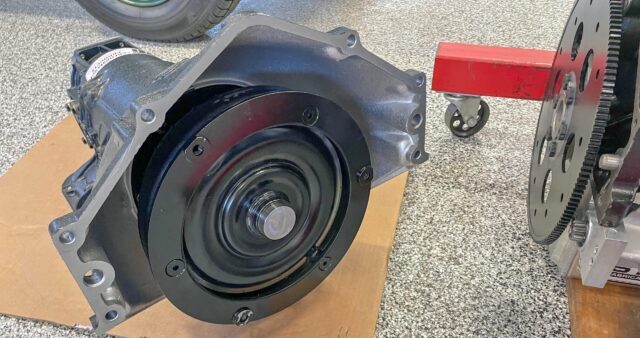
When looking at transmissions, the biggest difference between an automatic transmission and a manual gearbox is the way in which they transfer the engine torque to the transmission. Here’s the bare-bone basics: A stick shift transmission uses a clutch to disconnect the engine from the transmission when shifting gears or when the car is stopped with the engine running and the transmission in gear. Meanwhile, an automatic makes use of a fluid coupling (known as a torque converter). Internally, the torque converter has finned wheels, which are similar to turbine blades. One of these “turbines” is attached to the engine and the other is attached to the transmission. Both turbine wheels are sealed in a housing within the converter cover. Automatic transmission fluid is pumped into the housing (through the rotating input shaft). When engine speed is low, the engine-driven turbine wheel simply cuts through the fluid without passing on much torque to the transmission. As the rpm rises, the pressure of the fluid against the driven wheel increases until at normal engine speeds it becomes a near-solid physical connection between the engine and the transmission. In the big picture, this creates the same effect as the clutch does in a manual transmission-equipped vehicle.
Another important component located inside the torque converter housing is a set of fixed blades called stators. They direct the fluid against the driven wheel in a manner where torque output of the engine is multiplied several times at low speeds. Obviously, this is a considerable boost when the time comes to get the weight of the car or a loaded truck rolling from a dead standstill.
Engine power from the torque converter is transferred by way of a shaft to a clutch or drum assembly within the automatic transmission housing. Think of the operation as similar to a clutch used on the front of a standard transmission. The reason is, it engages and disengages using pressure and friction to operate parts of the transmission as it changes gears. These gears are connected to the clutch or drum assembly and intermesh like the gears in a standard transmission to produce the final drive ratio of the transmission. The entire operation of the clutch or drums and gears is controlled by hydraulic pressure, provided by a pump, which is an integral piece of the automatic transmission.
As you can well understand from the above, the physical repair of the automatic transmission or extensive internal troubleshooting is well beyond the scope of this article, but basic automatic transmission troubleshooting can be accomplished externally. Here’s how:
Automatic Transmission Fluid…
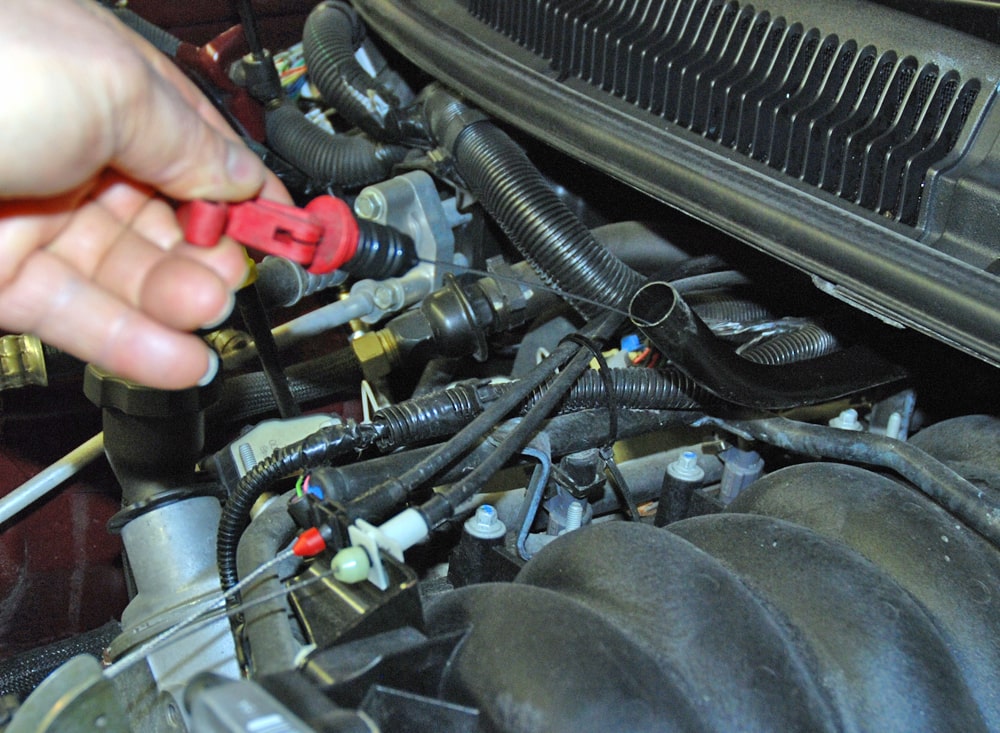
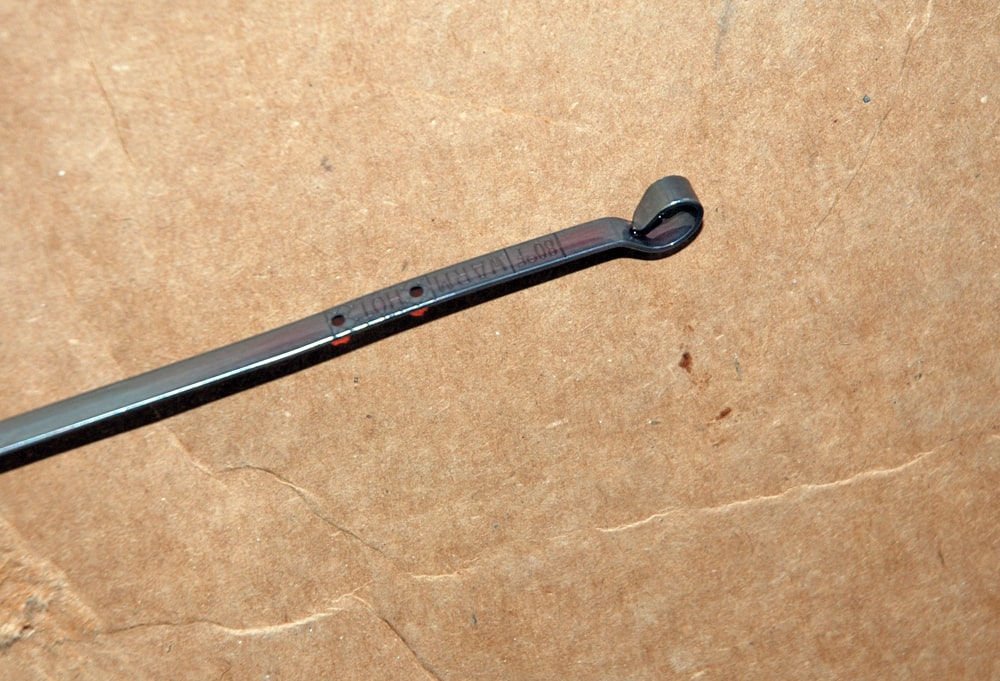
Automatic transmissions are essentially based upon hydraulics. And because of that, the specialized fluid that runs through them is a form of hydraulic fluid. It should be no surprise it can be checked by removing a dipstick just like that used to check engine oil level. In all cases, the transmission fluid level must be checked with the engine running and the transmission shift selector in the park (“P”) position in order to obtain an accurate reading. Before checking the fluid level, be sure the engine (and consequently, the transmission) has reached operating temperature. The dipstick is clearly marked, just like the engine oil level dipstick.
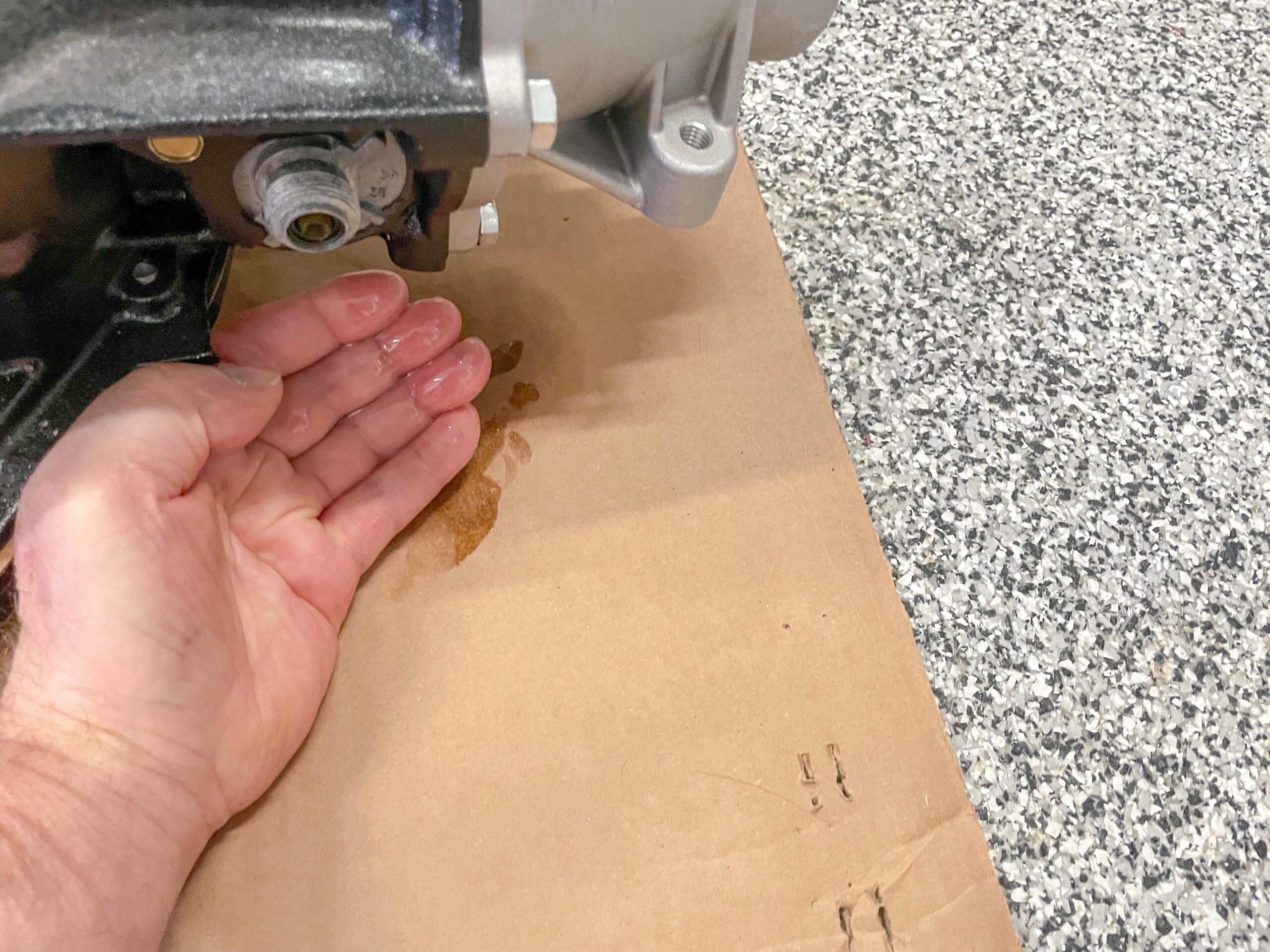
Where the automatic differs from an engine is the point where fluid is added. In an automatic, its poured directly into the dipstick tube, using a funnel featuring a long flexible tube on one end. If you’re adding fluid, care must be taken. The marks on the dipstick are often quite closely spaced and it is not difficult to overfill the transmission. Too much fluid can damage the transmission as easily as too little fluid. Typically, fresh automatic fluid is light in color and maybe red tinted, blue-tinted or otherwise. But if there’s an internal transmission problem, the fluid color changes. If it is dark brown and it smells burned, it’s a very good indication the transmission has been damaged. It also means the transmission will need servicing (which can include changing the fluid, servicing internal filters, band adjustment and so on – again, well beyond the scope of this article.).
Overheating & Leaks…
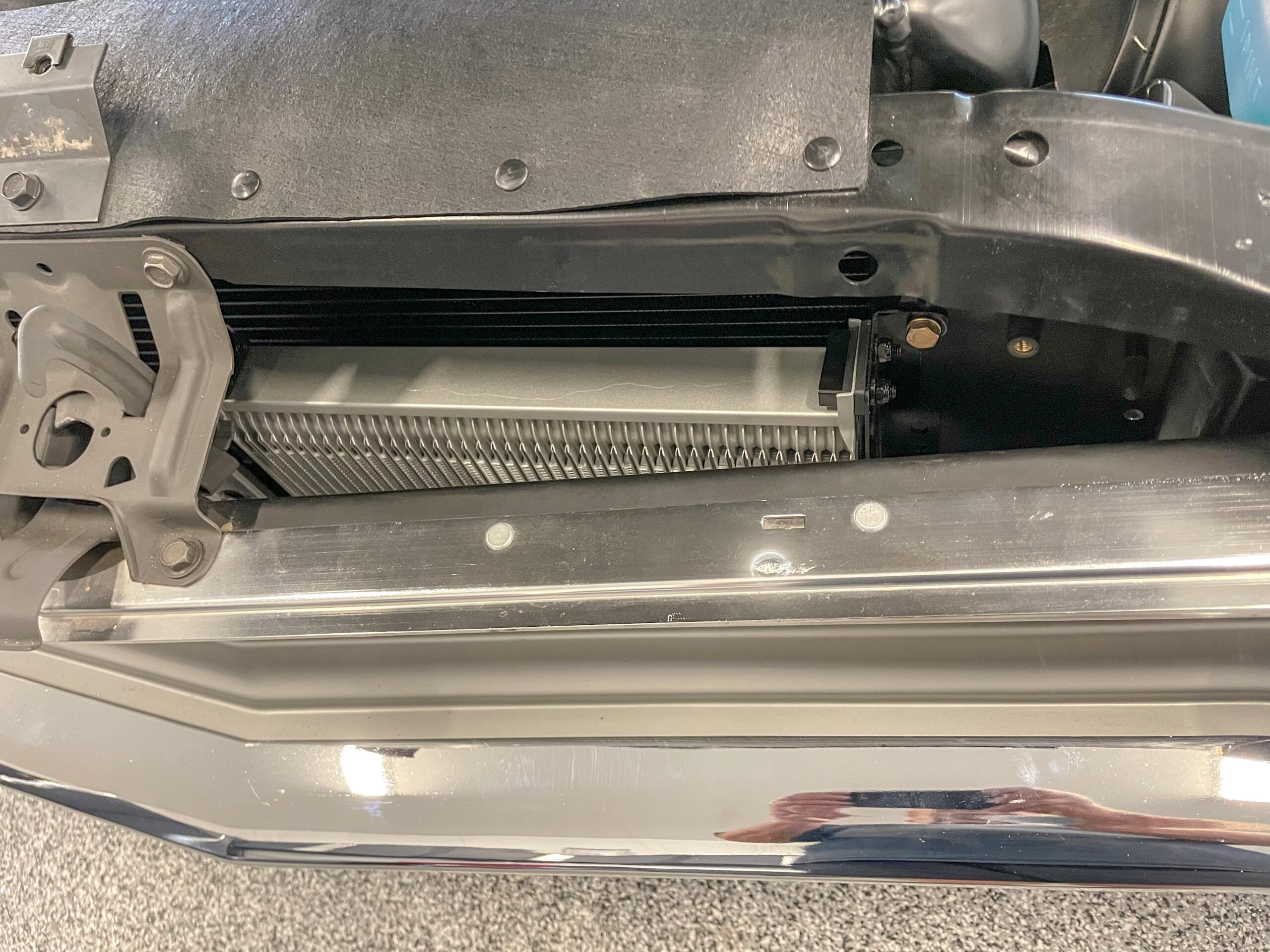
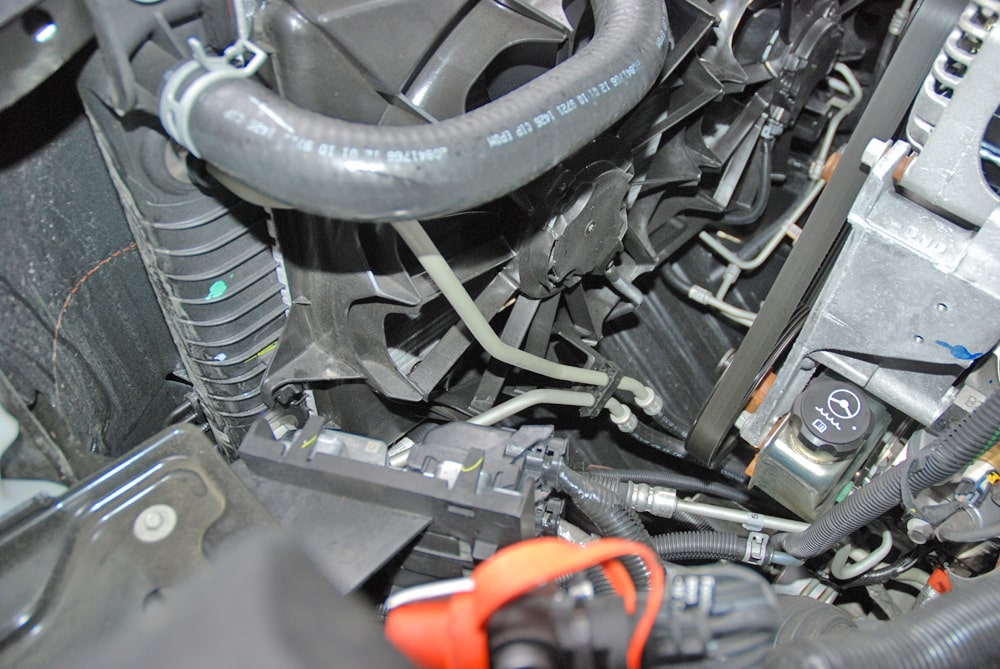
Fluid that’s low or smells burned can be an indication there is a leak somewhere in the system (low fluid level) or it may show that the transmission has been overheated. Leaks are relatively easy to track, simply because the fluid is specific and the path it takes within the vehicle is often simple to trace. But on the other hand, coolers are a slightly different story: Most experts will tell you it is impossible to over-cool an automatic transmission. The vast majority of automatic transmissions have some form of cooler. The most common in non-towing applications is simply located adjacent to the reservoir tank of the engine radiator. Cars and light trucks equipped with heavy duty towing packages, or hot rods and race cars will often have an external cooler attached somewhere to the radiator or inline with the air stream that passes through the radiator. No matter what type, fluid from the transmission is circulated through the cooler by way of a pump within the transmission. As a result, the fluid is effectively air-cooled. Leaks in the lines or a blockage of a cooler lines or the tubing inside the cooler can cause the transmission to overheat. Factor in heavy loads (trailer towing without a proper cooler or with a cooler that is malfunctioning) or continuous operation on very long; slow uphill grades can cause fluid to burn.
Other Ailing Automatic Symptoms…
Some symptoms of an ailing automatic transmission are actually rather similar to those of a clutch problems found in cars equipped with manual transmissions. One of the most common problems is transmission slipping, in which the effect is much like that of a slipping clutch. Here, engine speed will be high in comparison to vehicle speed. This is obviously an indication of major transmission problems. Other signs of ailment include sticking in one gear or in drive, loss of transmission kick down capability (commonly called “passing gear”), slipping in one gear but not another. All of these symptoms can lead to major transmission problems, but believe it or not, each of them might be eliminated by a simple linkage adjustment. While we can’t show this is done (because each setup is different) it’s good to know it could be causing the troubles in your automatic transmission. More on troubleshooting in the accompanying photos:
Click Here to Begin Slideshow
Right up front, this is a back-to-basics article. Advanced readers can take note and if you chose, skip right on by! But if you’re having automatic transmission grief, this just might be a good place to begin:
The automatic transmission found in most of today’s vehicles (and that includes hot rods, race cars and tow trucks) is a complex device -- in fact, much more complicated than a manual gearbox. Essentially, all of the operations a driver handles in a vehicle with a manual transmission is handled by the transmission automatic application. No matter what brand, automatic transmissions essentially have the same features: They include one or more sets of planetary gears, a fluid coupling or torque converter and a valve body, which has control valves to direct hydraulic fluid inside the transmission to operate different parts of the equipment.
While most automatics function similarly, the various control systems used by the respective vehicle manufacturers tend to differ considerably. An automatic transmission can be controlled hydraulically by throttle movements, by engine vacuum, speed sensitive governors or by some electrical device (or more and more often today, some form or electronic device). Any or all of these types of controls can be included on any one manufacturer’s transmission
When looking at transmissions, the biggest difference between an automatic transmission and a manual gearbox is the way in which they transfer the engine torque to the transmission. Here’s the bare-bone basics: A stick shift transmission uses a clutch to disconnect the engine from the transmission when shifting gears or when the car is stopped with the engine running and the transmission in gear. Meanwhile, an automatic makes use of a fluid coupling (known as a torque converter). Internally, the torque converter has finned wheels, which are similar to turbine blades. One of these “turbines” is attached to the engine and the other is attached to the transmission. Both turbine wheels are sealed in a housing within the converter cover. Automatic transmission fluid is pumped into the housing (through the rotating input shaft). When engine speed is low, the engine-driven turbine wheel simply cuts through the fluid without passing on much torque to the transmission. As the rpm rises, the pressure of the fluid against the driven wheel increases until at normal engine speeds it becomes a near-solid physical connection between the engine and the transmission. In the big picture, this creates the same effect as the clutch does in a manual transmission-equipped vehicle.
Another important component located inside the torque converter housing is a set of fixed blades called stators. They direct the fluid against the driven wheel in a manner where torque output of the engine is multiplied several times at low speeds. Obviously, this is a considerable boost when the time comes to get the weight of the car or a loaded truck rolling from a dead standstill.
Engine power from the torque converter is transferred by way of a shaft to a clutch or drum assembly within the automatic transmission housing. Think of the operation as similar to a clutch used on the front of a standard transmission. The reason is, it engages and disengages using pressure and friction to operate parts of the transmission as it changes gears. These gears are connected to the clutch or drum assembly and intermesh like the gears in a standard transmission to produce the final drive ratio of the transmission. The entire operation of the clutch or drums and gears is controlled by hydraulic pressure, provided by a pump, which is an integral piece of the automatic transmission.
As you can well understand from the above, the physical repair of the automatic transmission or extensive internal troubleshooting is well beyond the scope of this article, but basic automatic transmission troubleshooting can be accomplished externally. Here’s how:
Automatic Transmission Fluid…
Automatic transmissions are essentially based upon hydraulics. And because of that, the specialized fluid that runs through them is a form of hydraulic fluid. It should be no surprise it can be checked by removing a dipstick just like that used to check engine oil level. In all cases, the transmission fluid level must be checked with the engine running and the transmission shift selector in the park (“P”) position in order to obtain an accurate reading. Before checking the fluid level, be sure the engine (and consequently, the transmission) has reached operating temperature. The dipstick is clearly marked, just like the engine oil level dipstick.
Where the automatic differs from an engine is the point where fluid is added. In an automatic, its poured directly into the dipstick tube, using a funnel featuring a long flexible tube on one end. If you’re adding fluid, care must be taken. The marks on the dipstick are often quite closely spaced and it is not difficult to overfill the transmission. Too much fluid can damage the transmission as easily as too little fluid. Typically, fresh automatic fluid is light in color and maybe red tinted, blue-tinted or otherwise. But if there’s an internal transmission problem, the fluid color changes. If it is dark brown and it smells burned, it’s a very good indication the transmission has been damaged. It also means the transmission will need servicing (which can include changing the fluid, servicing internal filters, band adjustment and so on – again, well beyond the scope of this article.).
Overheating & Leaks…
Fluid that’s low or smells burned can be an indication there is a leak somewhere in the system (low fluid level) or it may show that the transmission has been overheated. Leaks are relatively easy to track, simply because the fluid is specific and the path it takes within the vehicle is often simple to trace. But on the other hand, coolers are a slightly different story: Most experts will tell you it is impossible to over-cool an automatic transmission. The vast majority of automatic transmissions have some form of cooler. The most common in non-towing applications is simply located adjacent to the reservoir tank of the engine radiator. Cars and light trucks equipped with heavy duty towing packages, or hot rods and race cars will often have an external cooler attached somewhere to the radiator or inline with the air stream that passes through the radiator. No matter what type, fluid from the transmission is circulated through the cooler by way of a pump within the transmission. As a result, the fluid is effectively air-cooled. Leaks in the lines or a blockage of a cooler lines or the tubing inside the cooler can cause the transmission to overheat. Factor in heavy loads (trailer towing without a proper cooler or with a cooler that is malfunctioning) or continuous operation on very long; slow uphill grades can cause fluid to burn.
Other Ailing Automatic Symptoms…
Some symptoms of an ailing automatic transmission are actually rather similar to those of a clutch problems found in cars equipped with manual transmissions. One of the most common problems is transmission slipping, in which the effect is much like that of a slipping clutch. Here, engine speed will be high in comparison to vehicle speed. This is obviously an indication of major transmission problems. Other signs of ailment include sticking in one gear or in drive, loss of transmission kick down capability (commonly called “passing gear”), slipping in one gear but not another. All of these symptoms can lead to major transmission problems, but believe it or not, each of them might be eliminated by a simple linkage adjustment. While we can’t show this is done (because each setup is different) it’s good to know it could be causing the troubles in your automatic transmission. More on troubleshooting in the accompanying photos:
Click Here to Begin Slideshow
Leave a Reply