Click Here to Begin Slideshow
As 2024 races into gear, RacingJunk.com is here to help gearheads and DIY enthusiasts confidently tackle their automotive projects. From building high-performance engines to perfecting your paint job, our Top How-To Stories of 2024 showcase the most popular and practical guides of the year. Whether you're restoring a classic car, upgrading your dragster, or customizing your off-road rig, these step-by-step articles offer expert advice, insider tips, and detailed instructions to keep your projects on track. Dive into our top picks and discover the ultimate resource for mastering your next build.
Click Here to Begin Slideshow
As 2024 races into gear, RacingJunk.com is here to help gearheads and DIY enthusiasts confidently tackle their automotive projects. From building high-performance engines to perfecting your paint job, our Top How-To Stories of 2024 showcase the most popular and practical guides of the year. Whether you're restoring a classic car, upgrading your dragster, or customizing your off-road rig, these step-by-step articles offer expert advice, insider tips, and detailed instructions to keep your projects on track. Dive into our top picks and discover the ultimate resource for mastering your next build.
How to Start an Engine That’s Been Sitting for… Awhile
If you’re pulling your first classic out of a junk-covered barn or chopping it out of the undergrowth, chances are you aren’t going to be able to just pop the key in the ignition and drive off. Don’t be discouraged, though; take a look under the hood. If all the fundamental components are in place, it’s not as hard as you might think to get an old Detroit hunk of iron to sputter back to life. Read full article HERE!
Choosing the Right Power Valve for Your Holley Carburetor
When it comes to tuning a Holley carburetor the power valve has always seemed a mystery to many. But, once you know how power-valves work, it’s easy to select, troubleshoot, and install the right one for your application.
The power is a vacuum-operated fuel valve that is designed to enrich the fuel flow to the engine under varied vacuum conditions. It is located in the metering block, and opens at a set vacuum that is determined by the spring it contains. Depending on the spring in the power valve, this can occur at varying engine rpm and directs extra fuel into the carburetor’s main power circuit. The valve itself is a small rubber diaphragm with a small coil spring. When opened, it allows fuel to flow through the calibrated opening in the metering block (power valve channel restrictor). This restrictor determines the amount of additional fuel delivered to the engine. Read full article HERE!
Torque Specs and Bolt Patterns for Small Block Engines
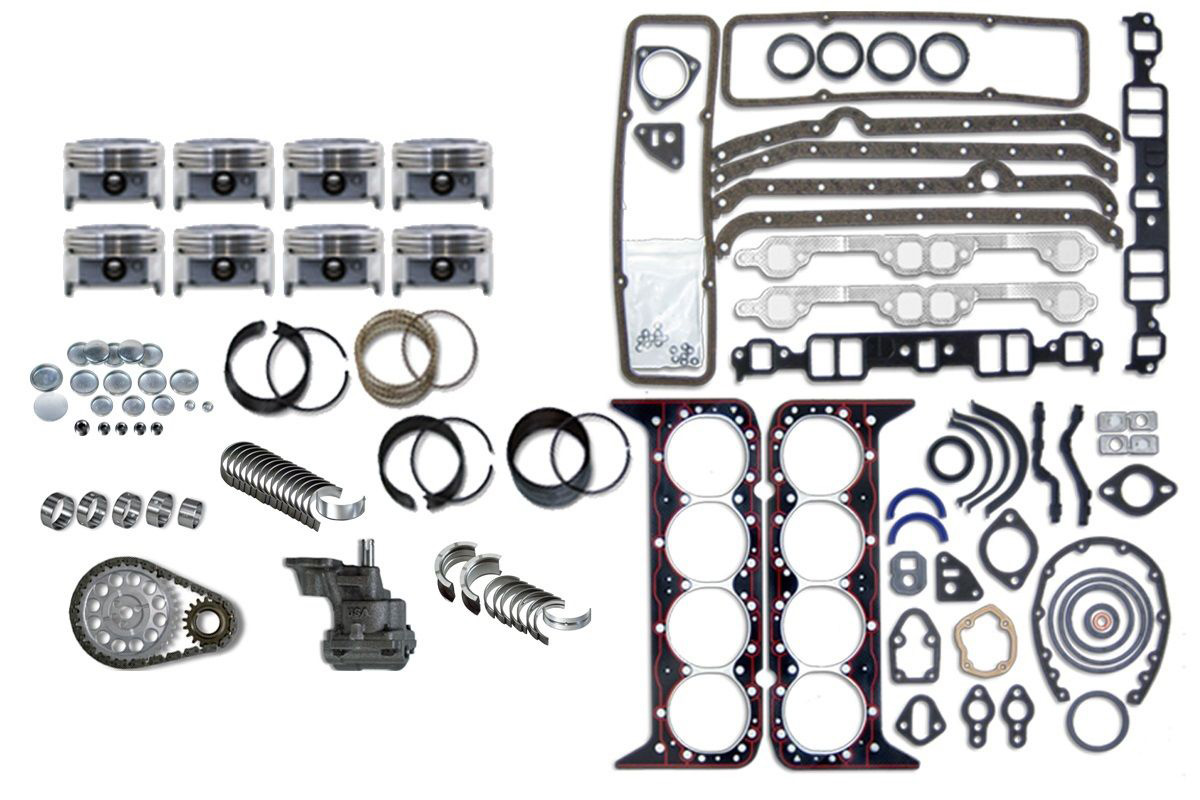
Let me tell you, there’s nothing worse than installing a beautiful engine you’ve just spent days or weeks lovingly rebuilding and reinstalling in your hot rod or strip burner and going to fire it up, only to find out that it either runs terribly or doesn’t run at all. What’s even worse is spending more time and effort determining that the why of it running terribly or not running at all is because you torque some bolts incorrectly, or didn’t torque them at all. Another horrible experience is getting it all back together and installed, only to have it fall apart on the street or track for the same reason – incorrectly torqued bolts or bolts that weren’t torqued at all.
In this article, I’m going to show you pictures of the patterns you should follow when torqueing certain parts on the most popular Small Block Chevy (327 and 350_ engines, 289, 302, and 351 Ford engines, and 318, 360, and 5.7-liter Hemi Mopar engines. Read full article HERE!
Converting from Points to Electronic Ignition
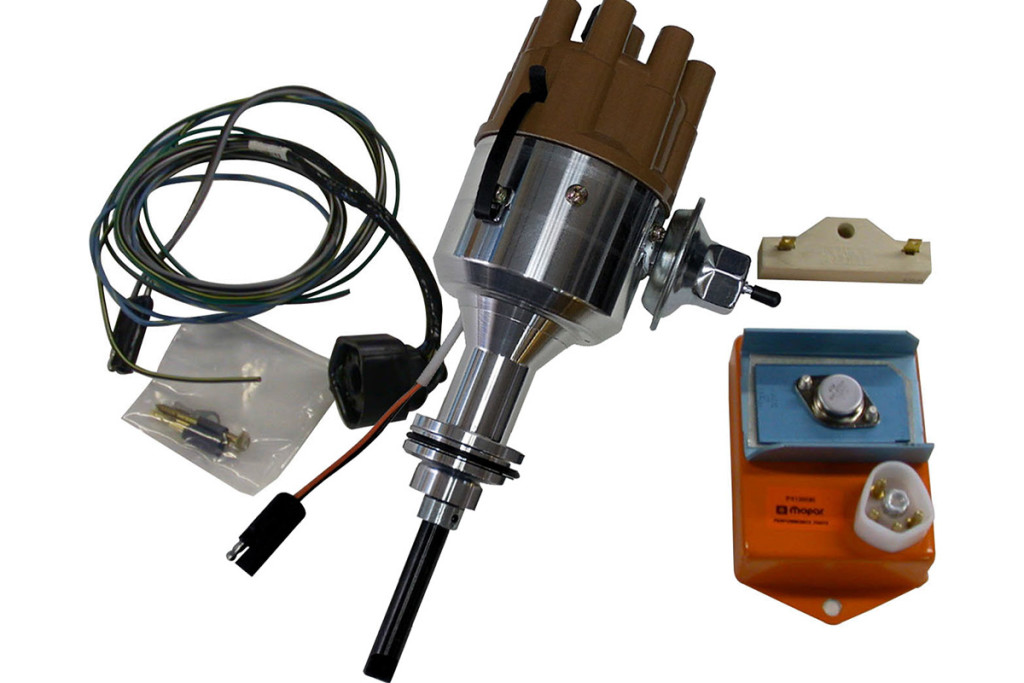
Both points/breaker-type and electronic ignition systems have their pros and cons, something I discussed in a previous article. As long as you’ve got a solid base to start from, with the right control module, an electronic ignition gives you greater control over your engine. Converting an older points/breaker-type ignition system can be pretty quick and easy or quite a bit more complex and involved, depending on what kind of system you decide to install.
There are two ways you can go about converting from points to electronic ignition – you can install a factory electronic system that replaces the factory points and distributor, or you can install an aftermarket high-performance system with parts and components from various manufacturers. With just a few tools, the factory system is ready to drive in just a couple hours. High performance street/strip/drag aftermarket systems are available from a number of different companies. Read full article HERE!
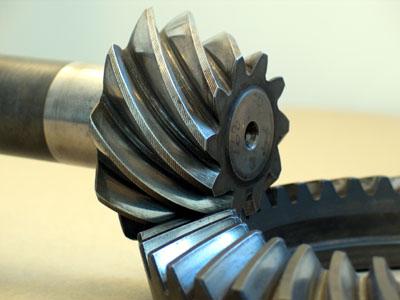
How to Set up Your Rear Gear Correctly
It’s not rocket science. Sure, setting up ring and pinion gears can seem challenging, but it really is simple enough that anyone can do it—If they’re willing to pay attention to proper procedures. When setting up the positioning of a ring and pinion in any rear end, there are only two settings that need to be done/measured correctly to ensure proper gear setup and long gear life. These settings are:
* Pinion depth (how close the pinion is to the ring gear)
* Backlash (how close the ring gear is to the pinion).
Bearing preloads are equally important, but we’ll address those particulars in a later article. All we will be focusing on at this time is the actual setting of the gears. Read full article HERE!




![[Gallery] Mecum Kissimmee Auction 2026](https://www.racingjunk.com/news/wp-content/uploads/2026/03/DSC_0717-e1774629242515-376x206.jpg)
![[Gallery] Cruisin’ One Daytona](https://www.racingjunk.com/news/wp-content/uploads/2026/03/DSC_0538-e1774027057404-376x206.jpg)



Leave a Reply