






![[Gallery] Amelia Island Kickoff Car Show And Concours D"Lemons](https://www.racingjunk.com/news/wp-content/uploads/2026/04/DSC_2847-e1777055210316-376x206.jpg)

Making Your Body Mobile Part 1
Click Here to Begin Slideshow
When it comes to mobility, once you separate the body from the frame on a project, that’s when the trouble really begins. In the real world, you can manhandle the frame with relative ease. Once stripped to the bare essentials with no suspension or rolling stock, two average strength adults can usually lug the frame around. The frame is a robust component too, but the body, on the other hand is a far different story. It’s a clumsy, sometimes fragile piece – something you just can’t easily jostle on a whim. Or without considerable help.
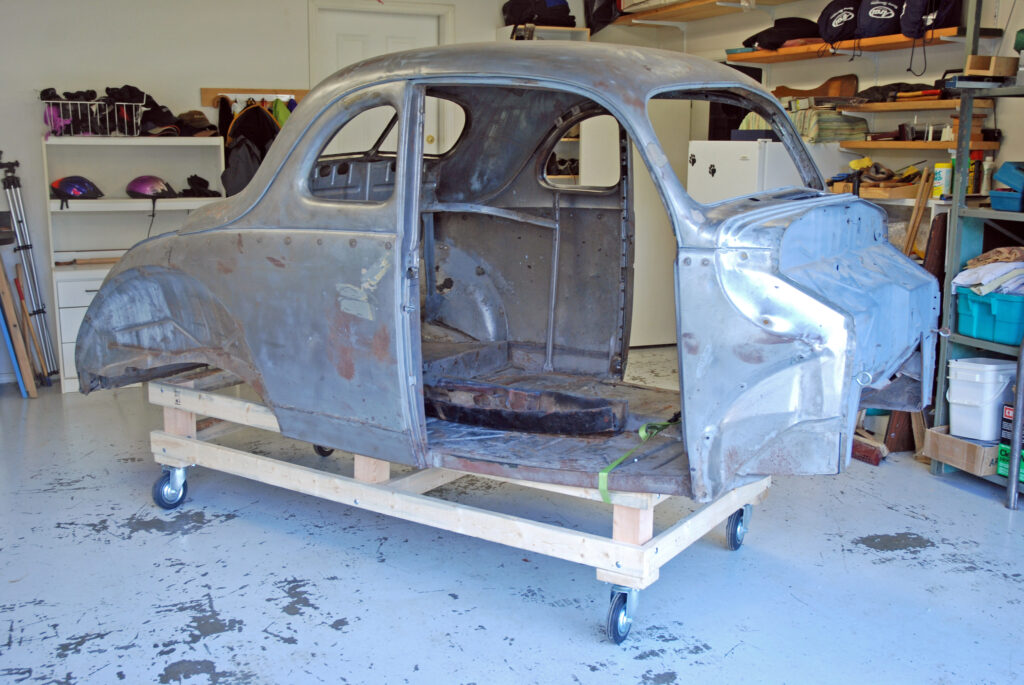
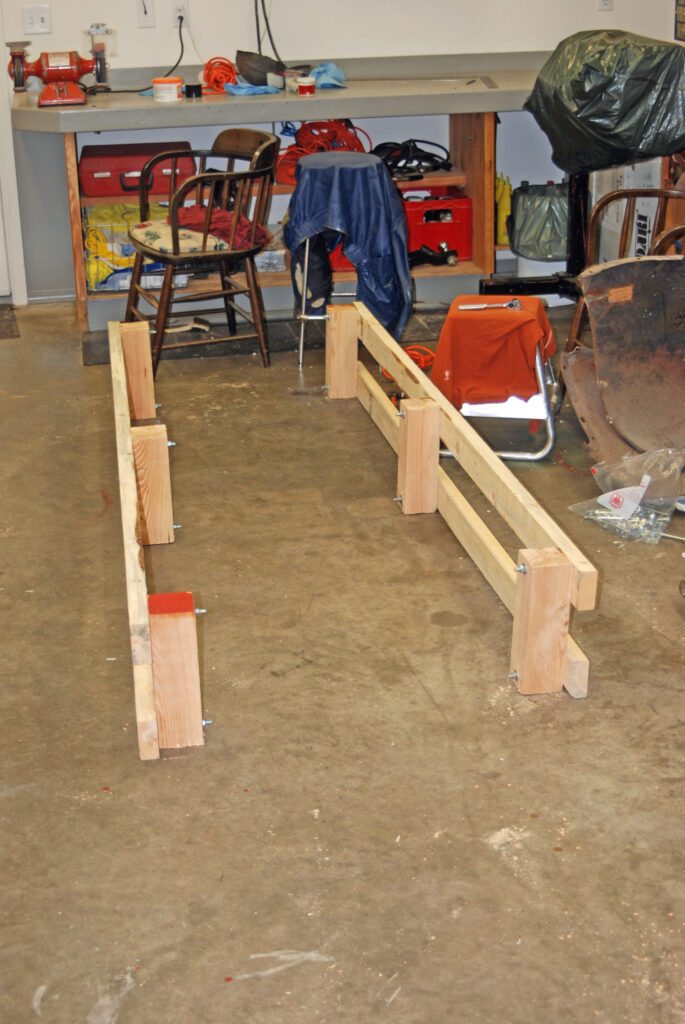
And that’s where the big questions arise. How in the heck do you move the thing around your workshop or take it to the body shop without breaking it or risking personal injury? The answer is a body cart. Some time ago, in our sister publication, Hot Rod Hotline, I showed you how I built a dolly setup to take the place of a subframe (https://www.hotrodhotline.com/waynes-project-body-dolly-part-1). This time around, we’ll show you how to build a basic (cheap) cart for a complete car body. Now there’s more than one type of body cart out there – some pretty slick and expensive (for example, a high end wheeled rotisserie) and some home built and downright stingy (for example, the cart shown in the accompanying photos). Personally, I’ve done it both ways, but from the pure dollars and cents perspective, a home-brewed body cart like the one in the accompanying photos is definitely tough to beat. Not only can you build it dirt cheap (even with today’s inflated costs), once you’re finished with it, you can disassemble it, and use the hardware for other projects.
Before going any further, let me explain something: I loathe anything to do with woodwork. If you can’t bend it, heat it with a torch, weld it, grind on it or turn a wrench on it, it’s pretty much foreign to me. The truth is, I probably can’t hammer a nail straight, so I assembled the cart in the accompanying photos with bolts and screws. If you’re like me (all thumbs when it comes to wood), then this project is for you.
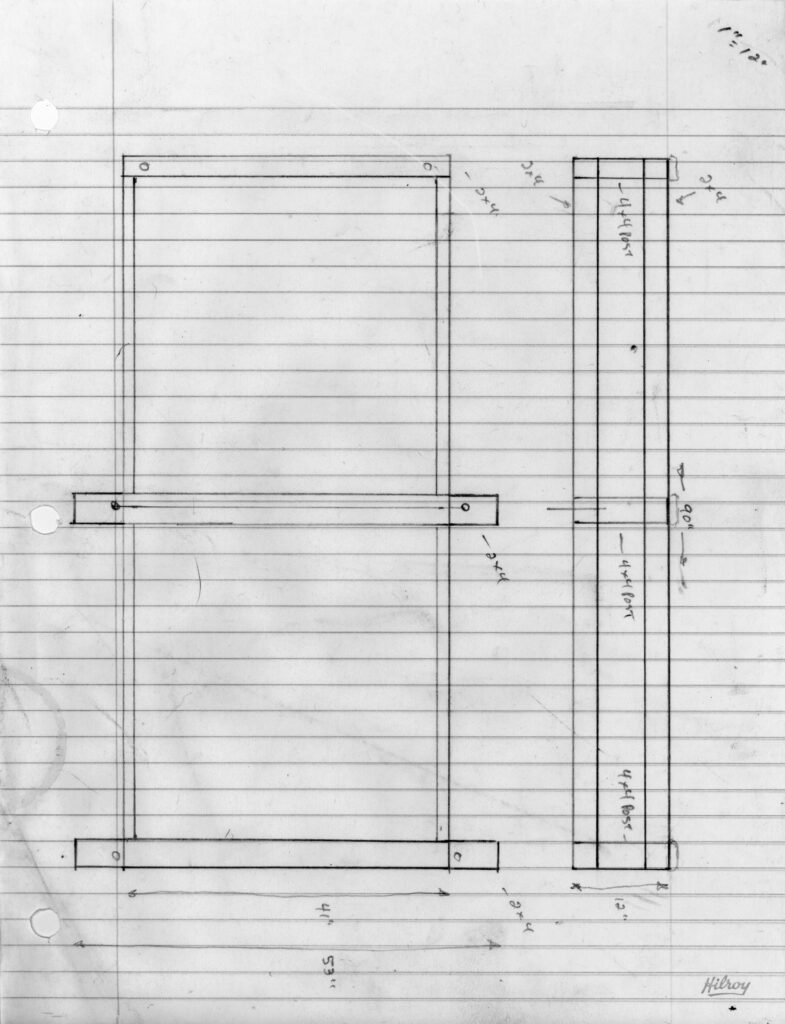
First things first, a rudimentary sketch was created. It was more or less a basic “blueprint” for the job (see the accompanying illustration). That sketch is obviously no thing of beauty, but it works. Note too, that I wanted a low cart, so that the entire body could be accessed. Plus it would keep the center of gravity down low so that the cart and body could easily be hoisted on a ramp truck or roll-bed wrecker to get it to the body shop. As a result, the overall height is 12-inches, plus the height of the caster wheels and caster mounting plates, for a total figure of 21-inches. From here, I made a “want list” (see the accompanying sidebar) and headed out the door. It was a simple matter of pointing my pickup truck toward my closest lumberyard, dragging out my credit card and signing on the dotted line.
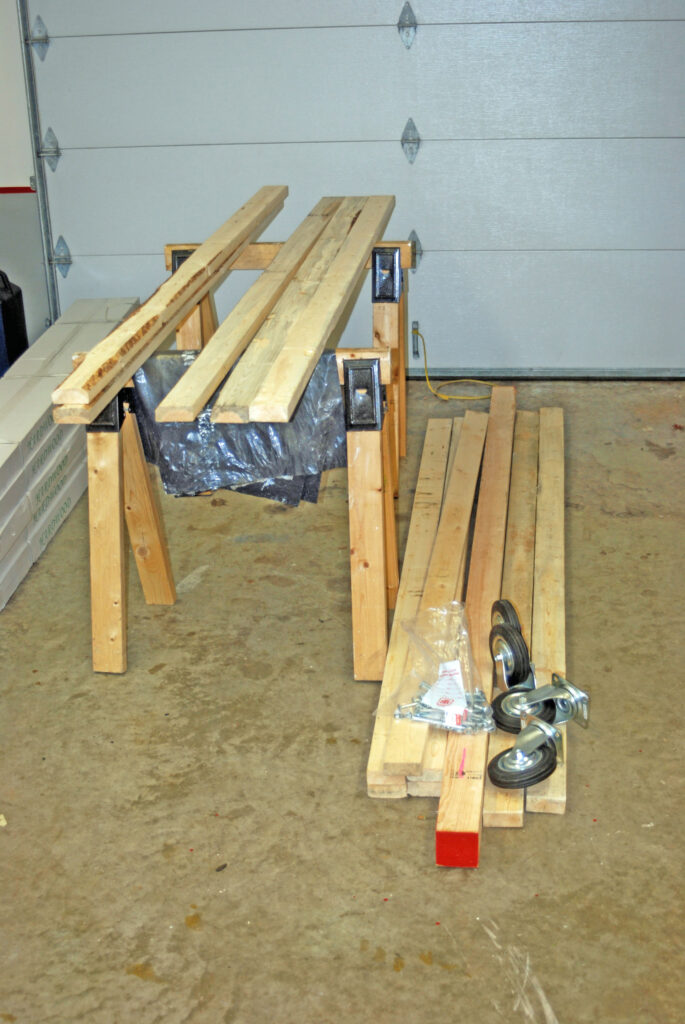
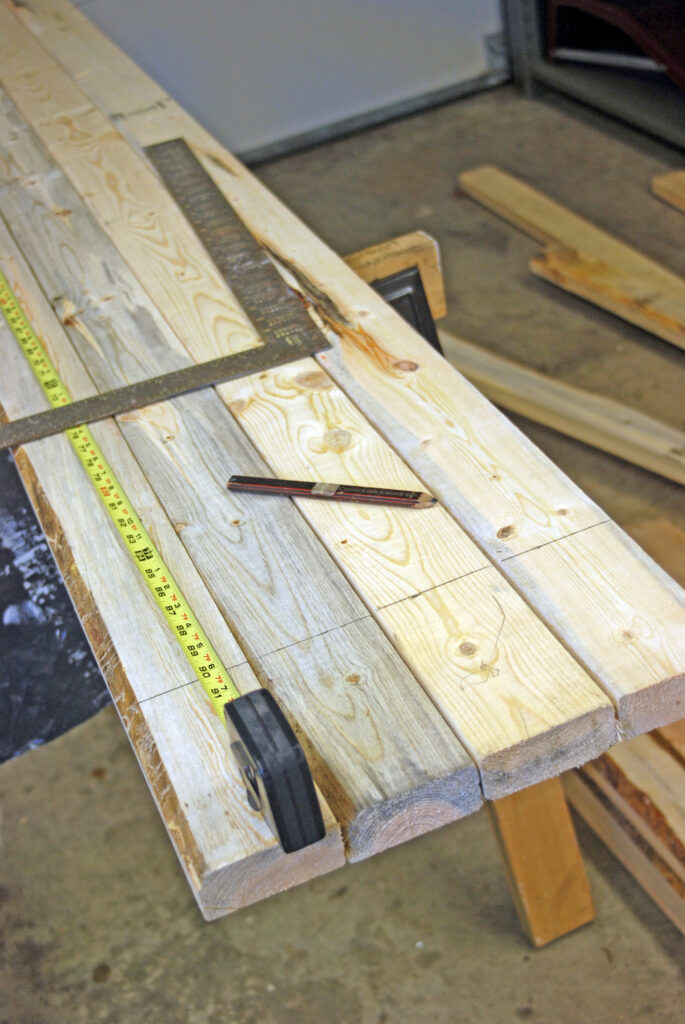
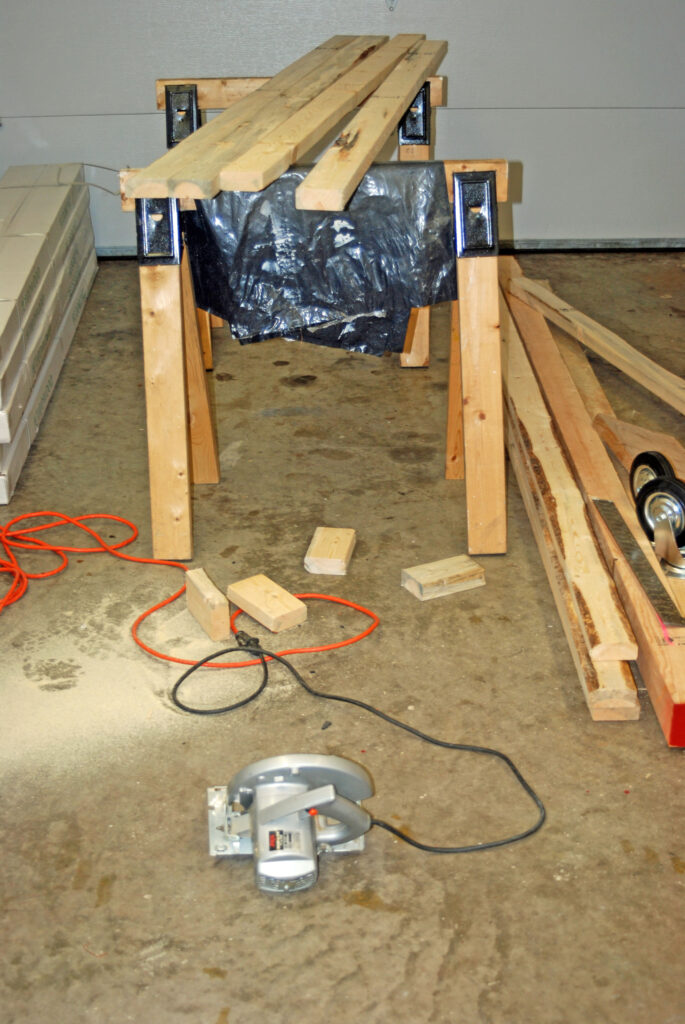
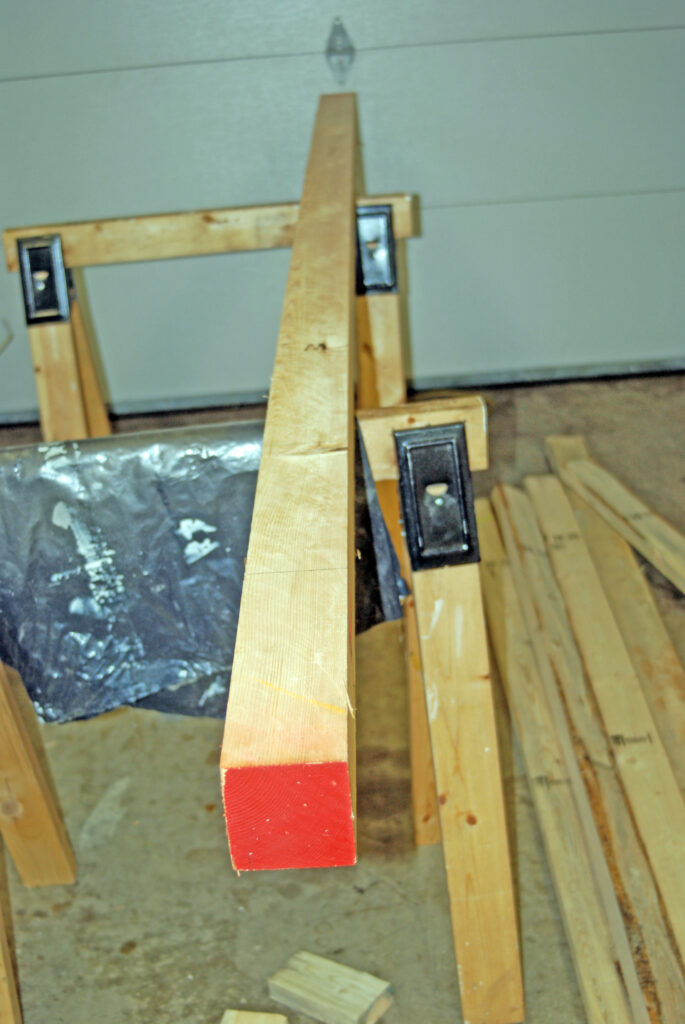
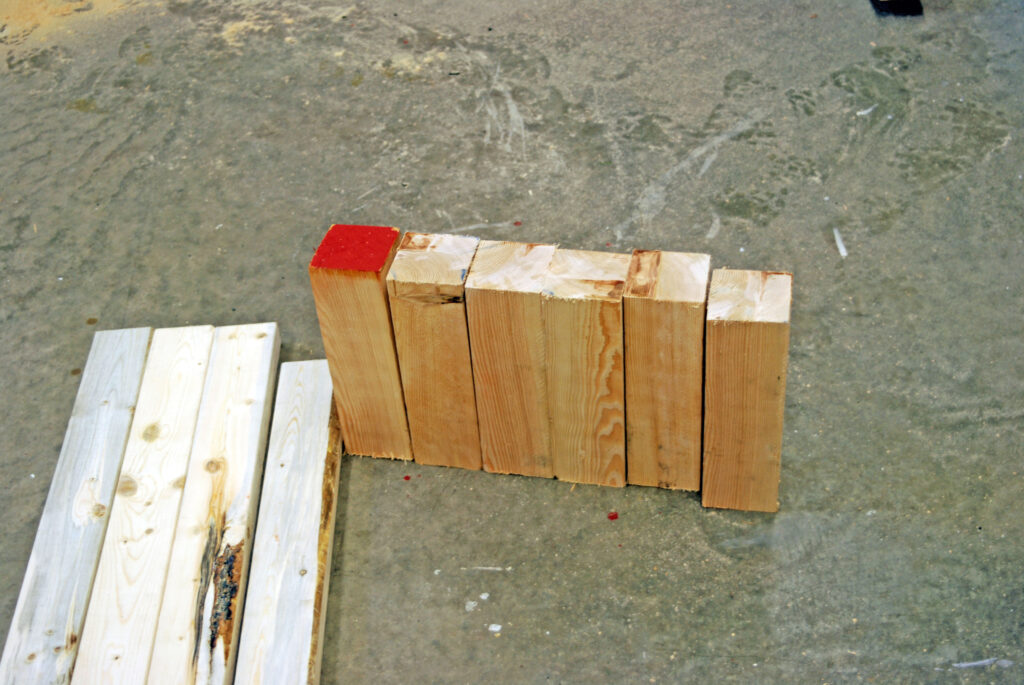
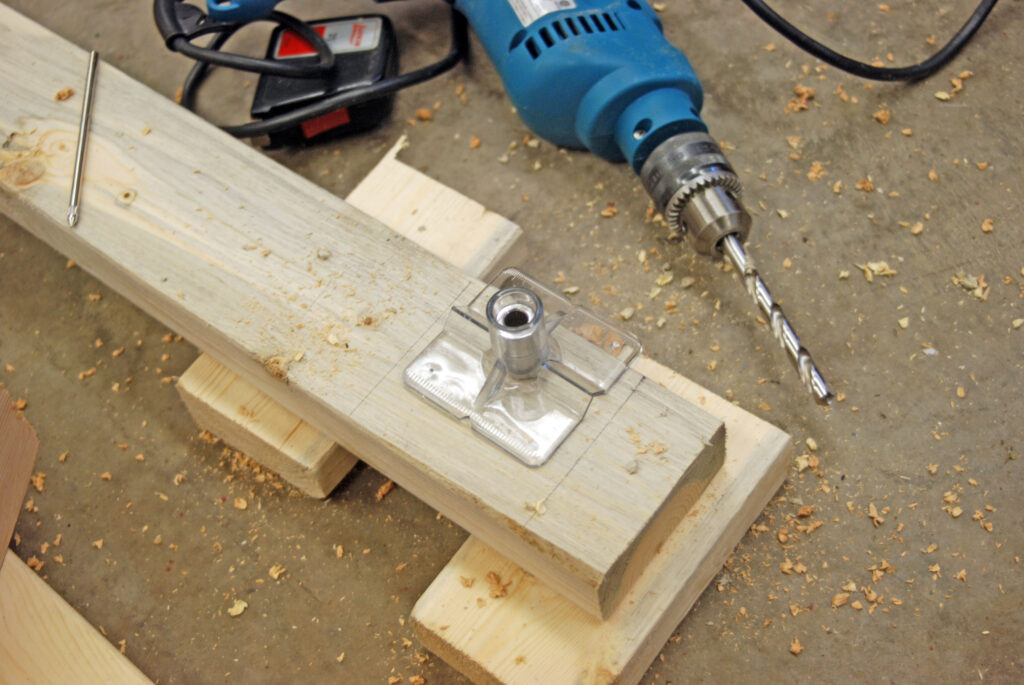
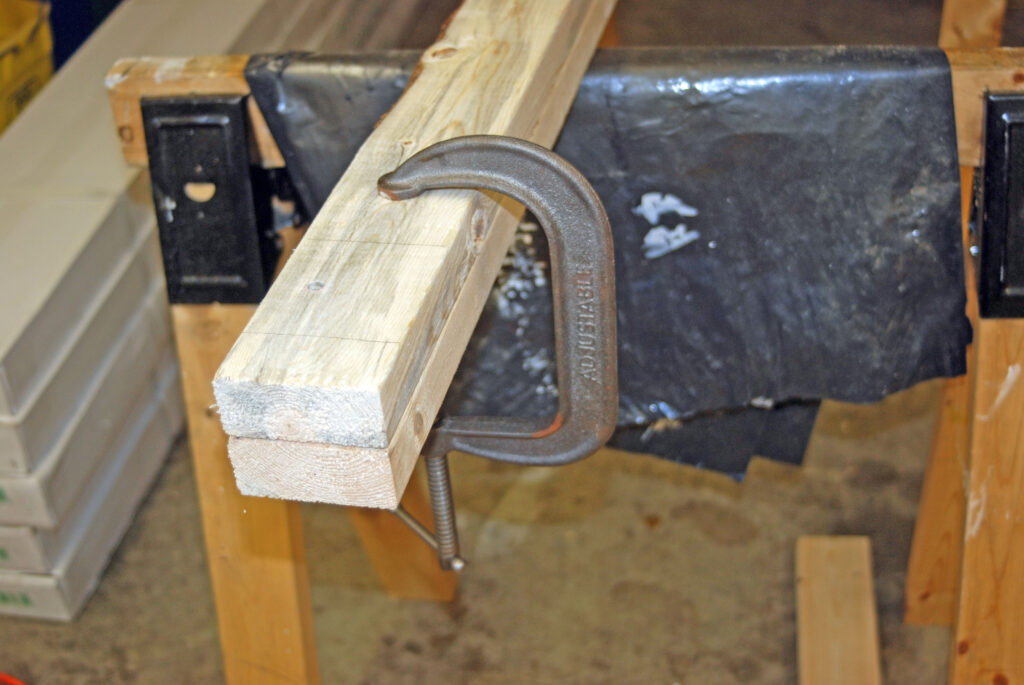
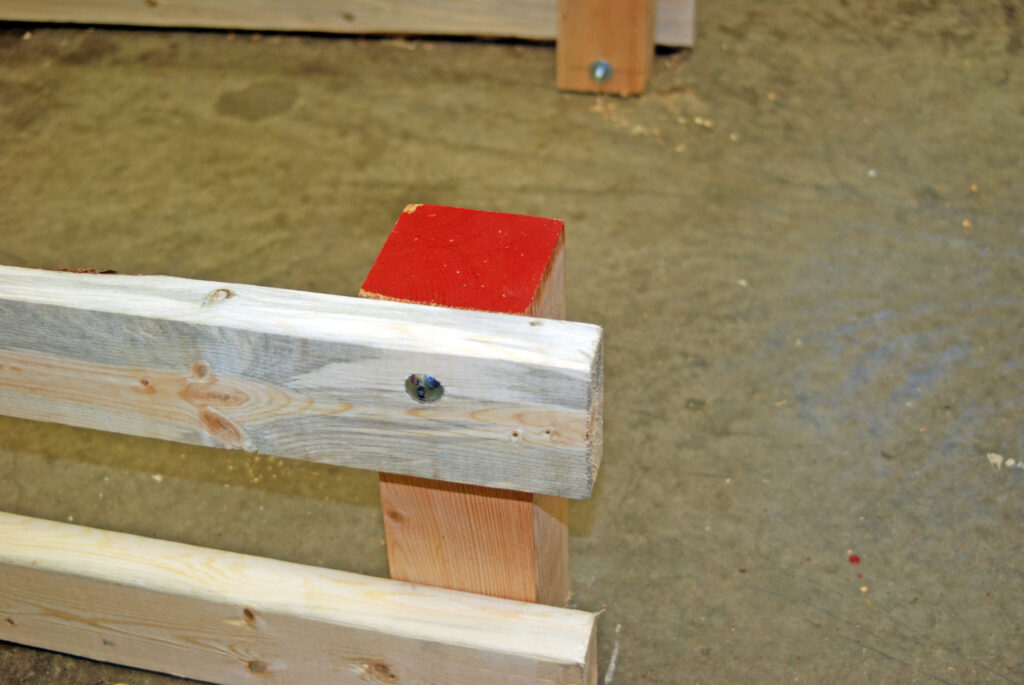
Once home, I unloaded the truck bed and dragged out a skill saw (I do have one of those, although it gets precious little use). The accompanying photo captions show the entire construction process from start to finish. And for your information (and much to my wife’s amazement), no digits were lost or mangled along the way.
Next issue we’ll wrap it up with a finished bare bones wooden body cart. Watch for it.
Click Here to Begin Slideshow
When it comes to mobility, once you separate the body from the frame on a project, that’s when the trouble really begins. In the real world, you can manhandle the frame with relative ease. Once stripped to the bare essentials with no suspension or rolling stock, two average strength adults can usually lug the frame around. The frame is a robust component too, but the body, on the other hand is a far different story. It’s a clumsy, sometimes fragile piece – something you just can’t easily jostle on a whim. Or without considerable help.
And that’s where the big questions arise. How in the heck do you move the thing around your workshop or take it to the body shop without breaking it or risking personal injury? The answer is a body cart. Some time ago, in our sister publication, Hot Rod Hotline, I showed you how I built a dolly setup to take the place of a subframe (https://www.hotrodhotline.com/waynes-project-body-dolly-part-1). This time around, we’ll show you how to build a basic (cheap) cart for a complete car body. Now there’s more than one type of body cart out there – some pretty slick and expensive (for example, a high end wheeled rotisserie) and some home built and downright stingy (for example, the cart shown in the accompanying photos). Personally, I’ve done it both ways, but from the pure dollars and cents perspective, a home-brewed body cart like the one in the accompanying photos is definitely tough to beat. Not only can you build it dirt cheap (even with today’s inflated costs), once you’re finished with it, you can disassemble it, and use the hardware for other projects.
Before going any further, let me explain something: I loathe anything to do with woodwork. If you can’t bend it, heat it with a torch, weld it, grind on it or turn a wrench on it, it’s pretty much foreign to me. The truth is, I probably can’t hammer a nail straight, so I assembled the cart in the accompanying photos with bolts and screws. If you’re like me (all thumbs when it comes to wood), then this project is for you.
First things first, a rudimentary sketch was created. It was more or less a basic “blueprint” for the job (see the accompanying illustration). That sketch is obviously no thing of beauty, but it works. Note too, that I wanted a low cart, so that the entire body could be accessed. Plus it would keep the center of gravity down low so that the cart and body could easily be hoisted on a ramp truck or roll-bed wrecker to get it to the body shop. As a result, the overall height is 12-inches, plus the height of the caster wheels and caster mounting plates, for a total figure of 21-inches. From here, I made a “want list” (see the accompanying sidebar) and headed out the door. It was a simple matter of pointing my pickup truck toward my closest lumberyard, dragging out my credit card and signing on the dotted line.
Once home, I unloaded the truck bed and dragged out a skill saw (I do have one of those, although it gets precious little use). The accompanying photo captions show the entire construction process from start to finish. And for your information (and much to my wife’s amazement), no digits were lost or mangled along the way.
Next issue we’ll wrap it up with a finished bare bones wooden body cart. Watch for it.
Click Here to Begin Slideshow