Click Here to Begin Slideshow
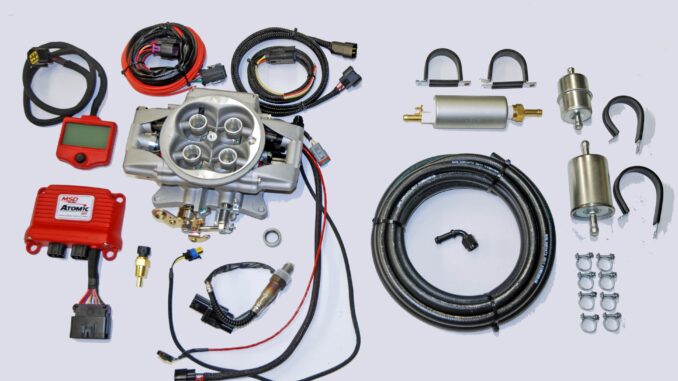
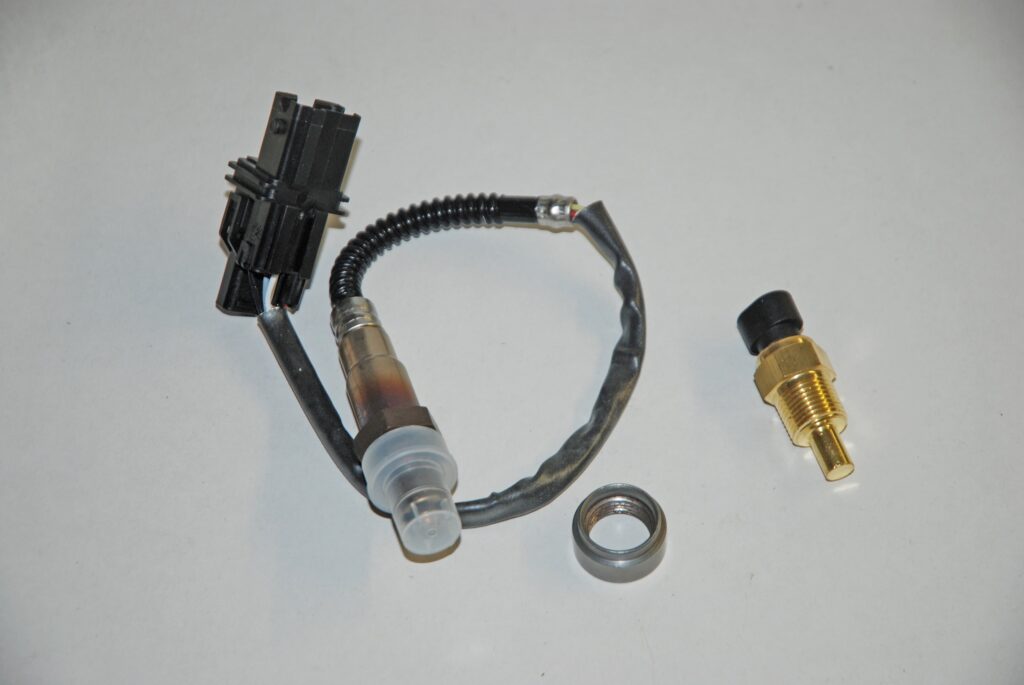
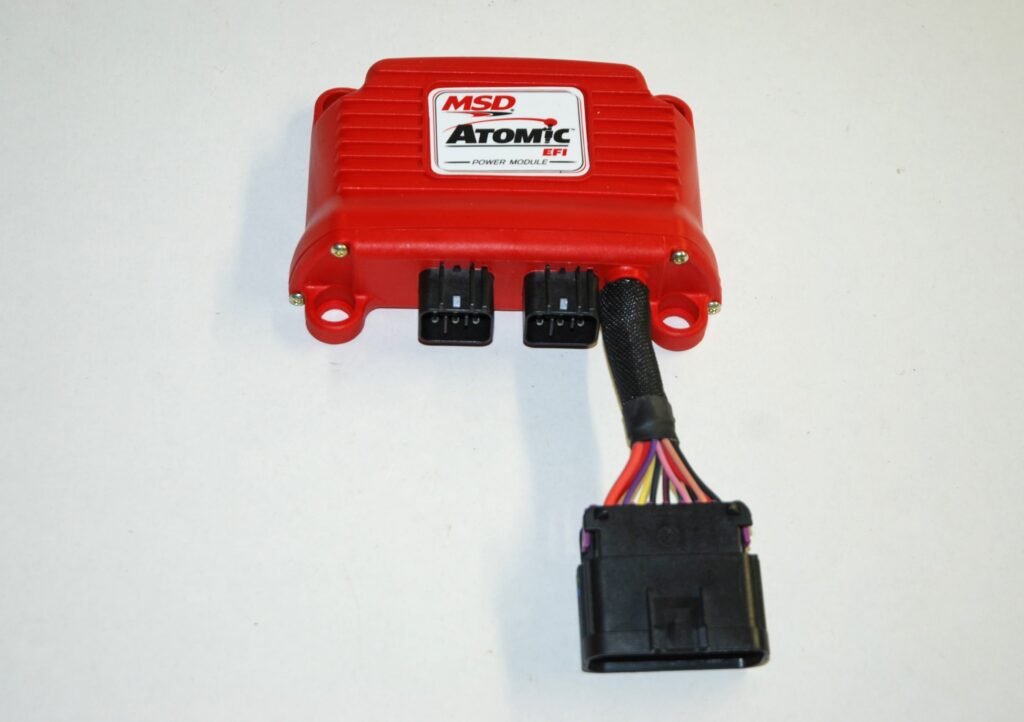
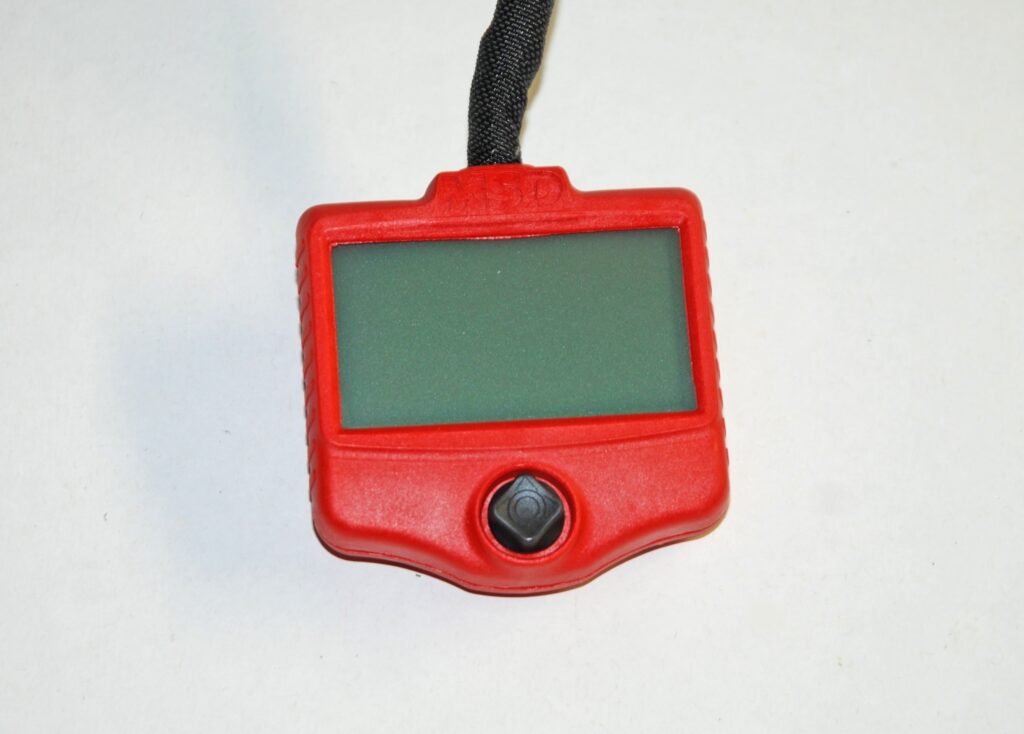
When we last left you, we were deep into the workings of MSD’s entry level Atomic EFI. If you recall, we showed how simple the system is to work with, and how easy it is to install. Costs are reasonable too. So if you’re thinking of moving up to electronic fuel injection, but you have EFI technophobia, then this system just might fit your bill. Here’s the rest of the story -- check it out: Two other sensors are necessary for operation and you have to install them. One is a Wide-Band Oxygen sensor (supplied in the Atomic TBI Kit). MSD notes this sensor is responsible for constantly monitoring the exhaust gases and relaying that information to the ECU where adjustments are continually made to the fuel delivery in order to meet the air/fuel targets. Only one O2 sensor is required. It must be installed in a header collector or an exhaust system downpipe. MSD includes a weld bung for the installation. And by the way, be sure to check your exhaust system for leaks prior to starting the car with the new EFI system. The reason is, exhaust system leaks upstream of the O2 sensor can raise havoc with the sensor readings and ultimately, affect the way the engine runs. The other sensor required (and it’s supplied) is an engine water temperature sensor. It simply screws into a water jacket location (cylinder head, intake cross-over, etc.). It looks and installs similar to an electric water temp gauge sensor. A complete fuel delivery system is also included with the Atomic EFI “master kits” (part number 2900). What you get is a special high pressure PWM (Pulse Width Modulation) electric fuel pump, a pump pre-filter and a pump post-filter, high pressure fuel hose, a selection of barb fittings along with a range of high-pressure hose clamps. The PWM fuel pump is engineered to operate without an external fuel pressure regulator. The internal ECU in the throttle body senses fuel pressure and “tells” the fuel pump how much fuel pressure to supply. What this means is, there is no need to plumb a return line into the system. MSD notes, however that a return system is the best with a fuel pump in the tank. The PWM system single line is fuel quality and temperature dependent (basically when faced with extreme temps, a return system is best). Should you have an in-tank pump along with an external fuel pressure regulator and a return system in your car, the Atomic EFI can be tuned to operate with those components. Those parameters are included in the “Advanced Tuning” area on the handheld controller (basically, you turn off the internal regular system). The biggest consideration when installing the PWM fuel pump is to ensure that it is gravity fed, and reasonably close to the fuel tank. As with any electric pump, they work best when fuel is pushed rather than pulled. As a result, mount it low and at the back of the car (on the inside of a frame rail is a great location). One connection you have to make is an RPM/trigger reference signal. The Atomic TBI requires it to operate. This signal will be a 12-volt square wave reference signal from the tach output of an MSD ignition control box or it can be achieved when connected to coil negative with a GM HEI or Ford TFI inductive based ignition system. And yes, it also works by hooking up the wire to negative side of the coil on a car with good old-fashioned breaker points! An issue many are concerned with is a potential maze of wires. That bundle of snakes common to EFI cars is banished with the MSD Atomic Ignition. In a basic system without an aftermarket ignition box, here’s a list of most of the wiring you need to hook-up:
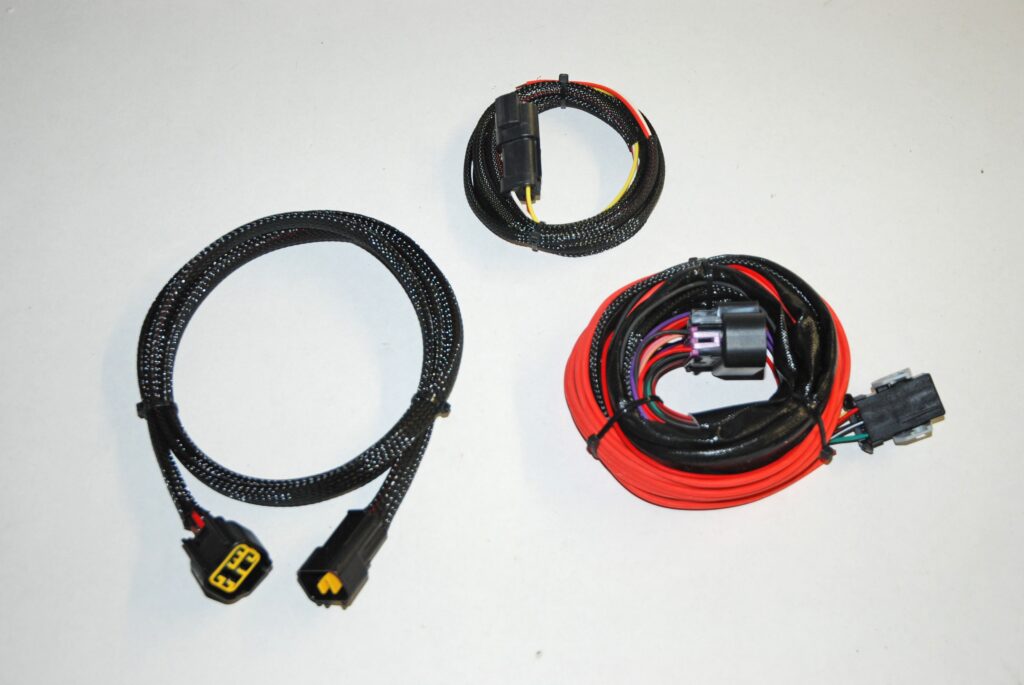
- Main Power: Heavy red wire; goes to the battery positive.
- Main Ground: Heavy black wire; goes to negative battery post or ground to engine block.
- Fuel Pump Circuit: Heavy Orange wire; goes to electric fuel pump (no relay is necessary).
- Ignition Switch: Red wire; goes to any ignition “on” circuit. You can use the positive side of the coil (do no use this location if you’re using a MSD 6A control box or other CD ignition).
- Wide Band O2: Assembled 6-pin wiring harness; single connection.
- Coolant Temp Sensor: Assembled 2-pin wiring harness; single connection.
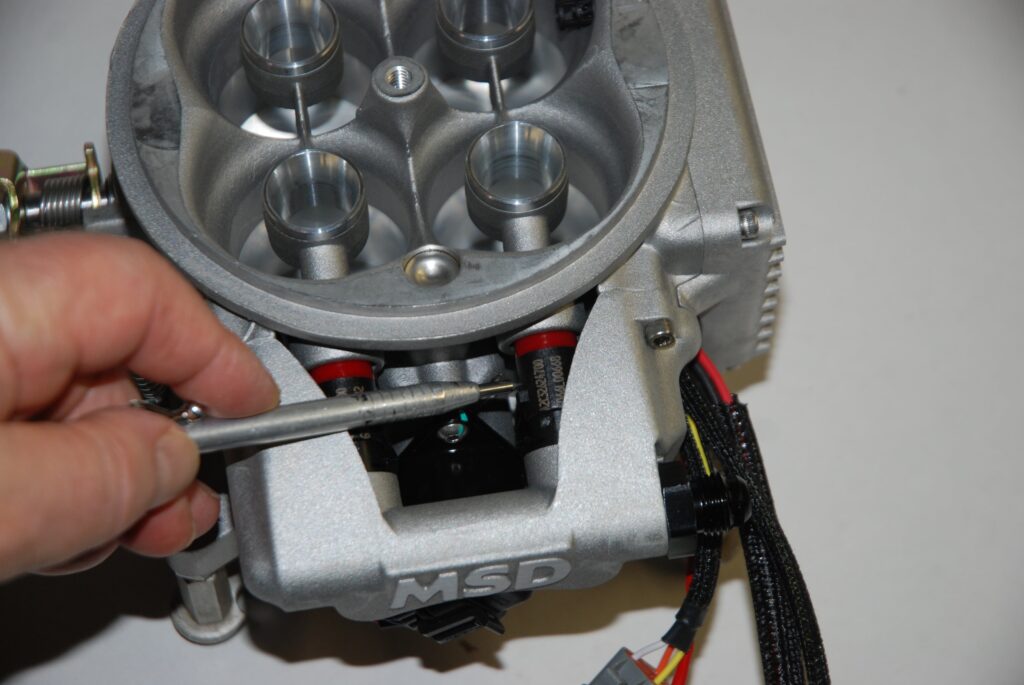
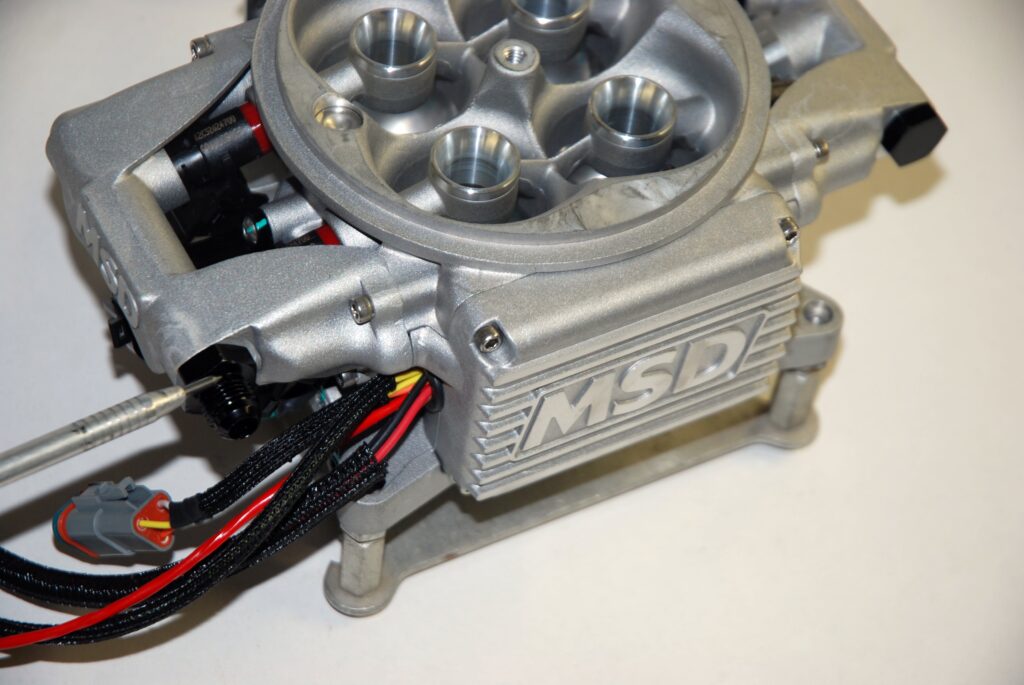
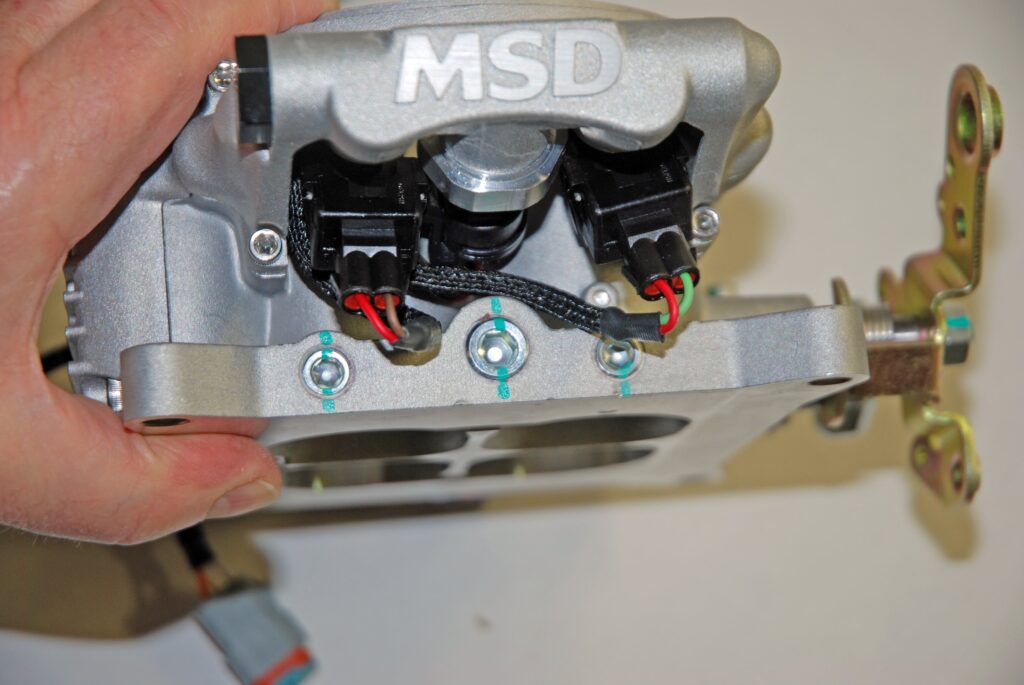
As you can easily see, it’s an extremely simple and user-friendly setup. With a few small exceptions, it’s a plug and play deal. The bottom line here is, if you’re all thumbs when it comes to electronics, this might be the EFI setup for you. Elementary? You bet. For a closer look, check out the accompanying slide show.
Click Here to Begin Slideshow 





![[Gallery] 3rd. Annual Father's Day Classic Car Show](https://www.racingjunk.com/news/wp-content/uploads/2026/07/Calistoga-2026-18-scaled-e1783026475349-376x206.jpg)


Leave a Reply