




![[Gallery] Village Shoppes Cruise-In](https://www.racingjunk.com/news/wp-content/uploads/2026/10/DSC_9496-e1790963792837-376x206.jpg)


![[Gallery] 25th Annual Cruisin’ on Main Street](https://www.racingjunk.com/news/wp-content/uploads/2026/09/DSC_9110-e1790363868361-376x206.jpg)



Fusing The Circuit: Selecting Switches
Click Here to Begin Slideshow
When you add an electrical part to your car (race car, street rod, street-strip car, whatever) such as an electric fan, an electric fuel pump or whatever, there’s almost always a need to splice in a switch. Easy enough. You should be able to go down to your local auto parts store and buy a switch. That’s a no brainer. Right? Maybe not:
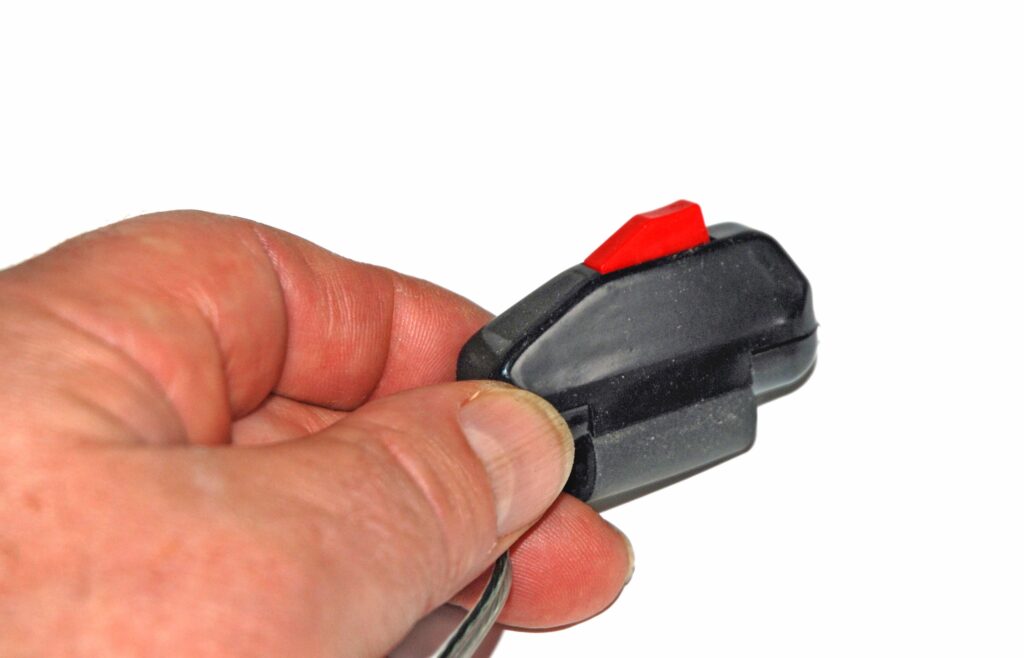
Before you pick a switch for a circuit you add to your car, you should stop and ponder the situation a wee bit. One area to contemplate is the choice between a toggle switch and a rocker switch. With a high-quality toggle switch, there's no question if the switch is "on" or "off". Not so with some rocker switches. On the other hand, the chance of accidentally activating or deactivating a circuit is less with a rocker switch when compared to a toggle switch. Bottom line here is, it's easier to accidentally flick a toggle switch than it is a rocker switch. That’s why many race-oriented toggle switches have safety covers – more in the accompanying photos.
The quality of the switch is another question. Today, the market is filled with any number of junk plastic made offshore switches. Needless to say, the life expectancy along with the structural integrity of a cheap, foreign made plastic switch should be questioned in any high-performance application, and that includes your car. High quality switches are readily available. You have to know where to look but they aren't cheap (some examples cost upwards of $40). For example many seasoned racers select switches that were initially designed for aircraft or heavy-duty commercial truck use. Some race parts vendors sell these heavy duty aircraft grade switches (Quick Car Racing Products is one such vendor). This is done for good reason too: The racer or race team can be assured the switch is designed for a lifetime of use, and won't fail under the stresses imposed by a modified car. It’s an idea for you to copy.
When shopping for a switch, an important factor is the rating. Electrical gurus will generally note that the key to switch life is to use a part that is capable of handling the amperage. It's easy to install a cheap, low amp switch in your application but when all is said and done you pay the price because the switch contacts tend to burn out quickly.
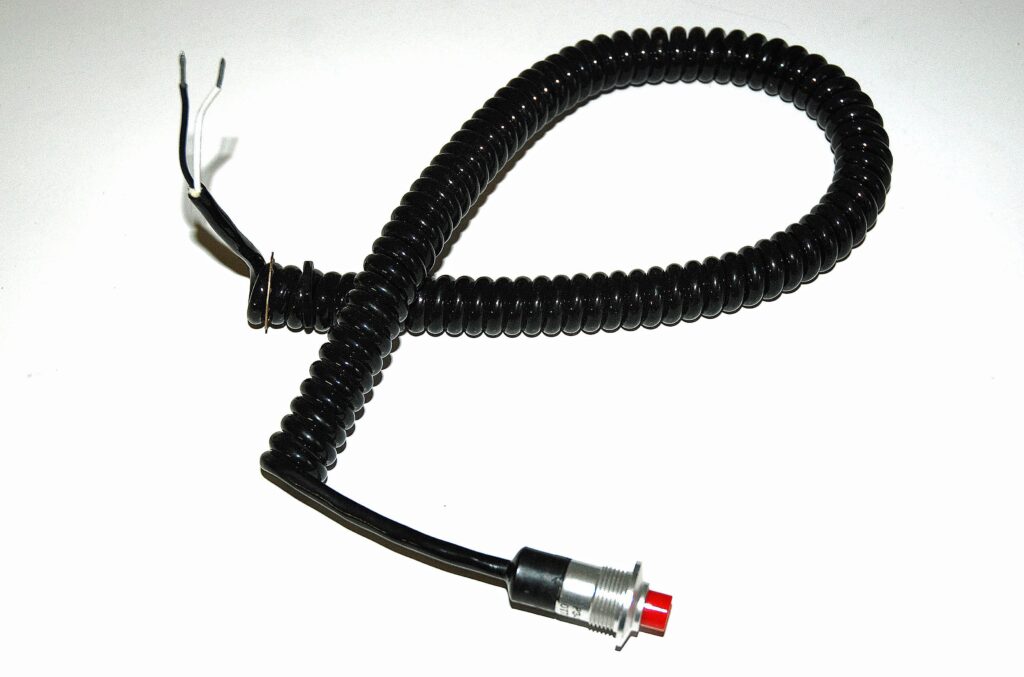
That's not the end of it either: The configuration of the switch and where you use it is significant. Many race-bred custom switch panels incorporate a momentary-on starter switch. Here a push button operated SPST (Single-Pole, Single-Throw) turns the starter circuit on when pushed, and off when released. This type of switch is often used as a bump starter button on a racecar where it’s used to set the valves. Many starter switches are covered with a rubber boot to reduce dirty and dust infiltration, but another purpose of the covering is to make the switch different from the rest. That makes it easily identifiable from the others, even with gloved hands.
The work a switch does is important too. Aside from the type of switch you prefer, you should also ponder the mechanics of the switch. Along with the momentary-on starter switch, the next most common arrangement you'll come across is a simple on and off switch. Like a starter switch, this component is also a SPST switch. This is simplest of switch designs, and it only controls one circuit. A SPST switch is equipped with two terminals: One is connected to the battery or power source while the other is connected to the load or component being switched.
Another configuration you'll likely encounter is a "Single-Pole, Double-Throw" or SPDT switch. Like the momentary-on switch, a SPDT switch has only one moveable element inside, but it is equipped with three terminals outside. One of the terminals connects to the battery, but the other two terminals connect to two separate circuits or loads. The design of the switch allows you to switch from one component to another, but not both. Most often, there are three positions found on this switch configuration: They’re “On-Off-On”. Sometimes this arrangement is called a "center-off" switch. A switch such as this can also have a Momentary On-Off-On arrangement. With this format, you can do something like prime a fuel system with the Momentary On feature, then turn the fuel pump "on" after the system is primed. Clever.
Something new in the switch business is the "touch pad" configuration. It’s used by several companies that manufacture racecar electrical control panels. Essentially, switches such as this are similar in format to those you’ll come across in household appliances such as a microwave oven or a modern range. These switches incorporate a large, soft membrane that allows you to operate them at a touch. The advantage to this type of switch in something like a racecar is that it can be operated easily with a gloved hand. But they don’t offer that noticeable “on” or “off” feel that say, a rocker switch provides. As a result (and to ensure the switch isn't accidentally turned on or off), some of the switch panel builders add a series of warning lamps so that you can see when a circuit is “live”.
So far so good, but where do you find high quality switchgear? Try your local aircraft avionics shop. And if you don’t one handy, I’m positive that outfits like Aircraft Spruce and Specialty (www.aircraftspruce.com) can help you out. Ditto with Quick Car Racing Products (www.quickcar.com).
Click Here to Begin Slideshow
When you add an electrical part to your car (race car, street rod, street-strip car, whatever) such as an electric fan, an electric fuel pump or whatever, there’s almost always a need to splice in a switch. Easy enough. You should be able to go down to your local auto parts store and buy a switch. That’s a no brainer. Right? Maybe not:
Before you pick a switch for a circuit you add to your car, you should stop and ponder the situation a wee bit. One area to contemplate is the choice between a toggle switch and a rocker switch. With a high-quality toggle switch, there's no question if the switch is "on" or "off". Not so with some rocker switches. On the other hand, the chance of accidentally activating or deactivating a circuit is less with a rocker switch when compared to a toggle switch. Bottom line here is, it's easier to accidentally flick a toggle switch than it is a rocker switch. That’s why many race-oriented toggle switches have safety covers – more in the accompanying photos.
The quality of the switch is another question. Today, the market is filled with any number of junk plastic made offshore switches. Needless to say, the life expectancy along with the structural integrity of a cheap, foreign made plastic switch should be questioned in any high-performance application, and that includes your car. High quality switches are readily available. You have to know where to look but they aren't cheap (some examples cost upwards of $40). For example many seasoned racers select switches that were initially designed for aircraft or heavy-duty commercial truck use. Some race parts vendors sell these heavy duty aircraft grade switches (Quick Car Racing Products is one such vendor). This is done for good reason too: The racer or race team can be assured the switch is designed for a lifetime of use, and won't fail under the stresses imposed by a modified car. It’s an idea for you to copy.
When shopping for a switch, an important factor is the rating. Electrical gurus will generally note that the key to switch life is to use a part that is capable of handling the amperage. It's easy to install a cheap, low amp switch in your application but when all is said and done you pay the price because the switch contacts tend to burn out quickly.
That's not the end of it either: The configuration of the switch and where you use it is significant. Many race-bred custom switch panels incorporate a momentary-on starter switch. Here a push button operated SPST (Single-Pole, Single-Throw) turns the starter circuit on when pushed, and off when released. This type of switch is often used as a bump starter button on a racecar where it’s used to set the valves. Many starter switches are covered with a rubber boot to reduce dirty and dust infiltration, but another purpose of the covering is to make the switch different from the rest. That makes it easily identifiable from the others, even with gloved hands.
The work a switch does is important too. Aside from the type of switch you prefer, you should also ponder the mechanics of the switch. Along with the momentary-on starter switch, the next most common arrangement you'll come across is a simple on and off switch. Like a starter switch, this component is also a SPST switch. This is simplest of switch designs, and it only controls one circuit. A SPST switch is equipped with two terminals: One is connected to the battery or power source while the other is connected to the load or component being switched.
Another configuration you'll likely encounter is a "Single-Pole, Double-Throw" or SPDT switch. Like the momentary-on switch, a SPDT switch has only one moveable element inside, but it is equipped with three terminals outside. One of the terminals connects to the battery, but the other two terminals connect to two separate circuits or loads. The design of the switch allows you to switch from one component to another, but not both. Most often, there are three positions found on this switch configuration: They’re “On-Off-On”. Sometimes this arrangement is called a "center-off" switch. A switch such as this can also have a Momentary On-Off-On arrangement. With this format, you can do something like prime a fuel system with the Momentary On feature, then turn the fuel pump "on" after the system is primed. Clever.
Something new in the switch business is the "touch pad" configuration. It’s used by several companies that manufacture racecar electrical control panels. Essentially, switches such as this are similar in format to those you’ll come across in household appliances such as a microwave oven or a modern range. These switches incorporate a large, soft membrane that allows you to operate them at a touch. The advantage to this type of switch in something like a racecar is that it can be operated easily with a gloved hand. But they don’t offer that noticeable “on” or “off” feel that say, a rocker switch provides. As a result (and to ensure the switch isn't accidentally turned on or off), some of the switch panel builders add a series of warning lamps so that you can see when a circuit is “live”.
So far so good, but where do you find high quality switchgear? Try your local aircraft avionics shop. And if you don’t one handy, I’m positive that outfits like Aircraft Spruce and Specialty (www.aircraftspruce.com) can help you out. Ditto with Quick Car Racing Products (www.quickcar.com).
Click Here to Begin Slideshow
Good advice.