




![[Gallery] Colchester on the Green](https://www.racingjunk.com/news/wp-content/uploads/2026/02/DSC_7044-376x206.jpg)


Plumbing 101: Part 8
Click Here to Begin Slideshow
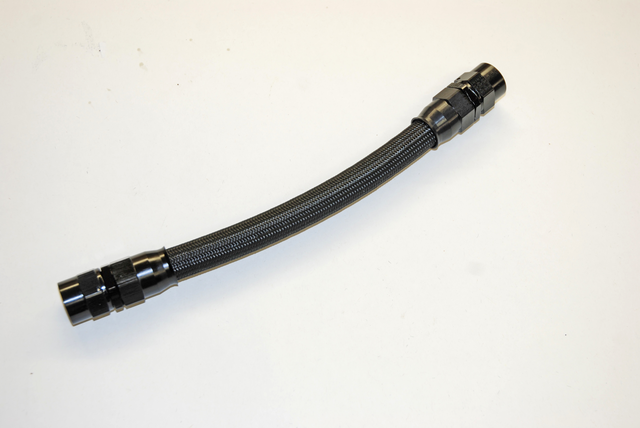
With this installment of Plumbing 101, we’ll complete the assembly of Earl’s UltraPro hose. This will also wrap up our fuel system plumbing series. To rewind a bit, UltraPro hose is based around a special Teflon (PTFE) inner liner that is impervious to all known fuels, oils and coolants used in today’s high performance racing and street applications. The UltraPro Polyester Braid hose we’re using here is up to 67% lighter than traditional rubber hose with stainless steel braid. Meanwhile, UltraPro Stainless Steel Braid hose is up to 37% lighter than traditional rubber hose with stainless steel braid. It’s also very flexible and has a low coefficient of friction, which obviously helps with fluid flow through the hose.
When working with this hose, it’s a good idea to have some spare olives on hand. The reason is, re-used olives will diminish the pressure rating of the hose and can cause seepage. Once a hose is assembled, you should never loosen a socket (for the rest of the fitting). If you must disassemble the socket, you must disassemble the hose, and the process must be repeated from the beginning with a new olive.
If for some reason you have to disassemble the sockets from the hose, Earl’s Performance offers the following advice:
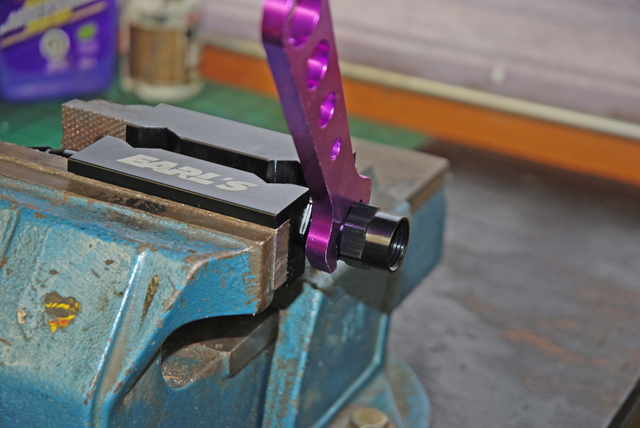
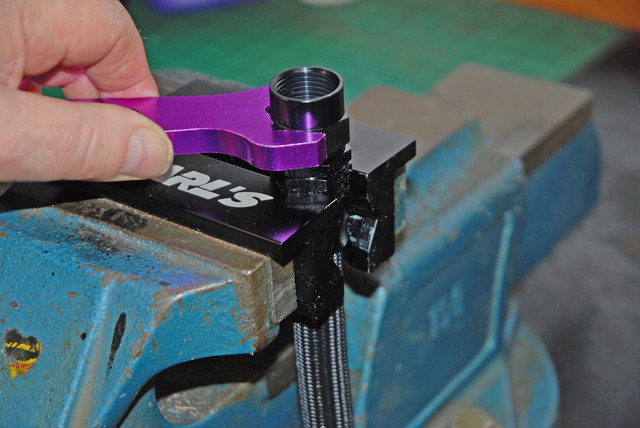
• Lightly grip the hose end body in a vise and use a wrench to remove the hose end body.
• Next, clamp the vise onto the hose one inch away from the socket. This will destroy the section of hose crushed by the vise.
• Use a wrench to turn the socket and twist the hose until it stops. With a quick motion, further rotate the wrench, snapping the socket loose from the olive.
• Remove and reform the hose to round and disassemble the hose end components.
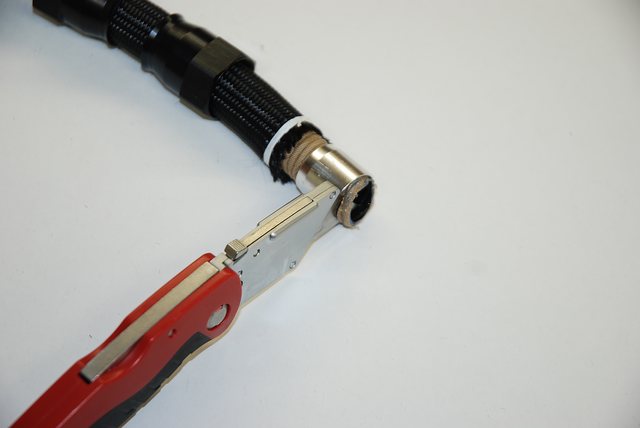
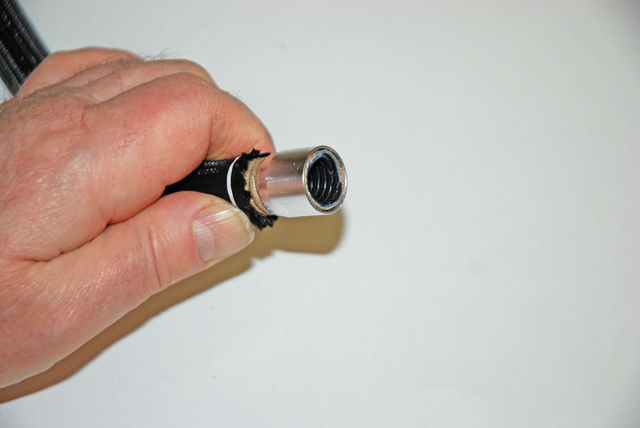
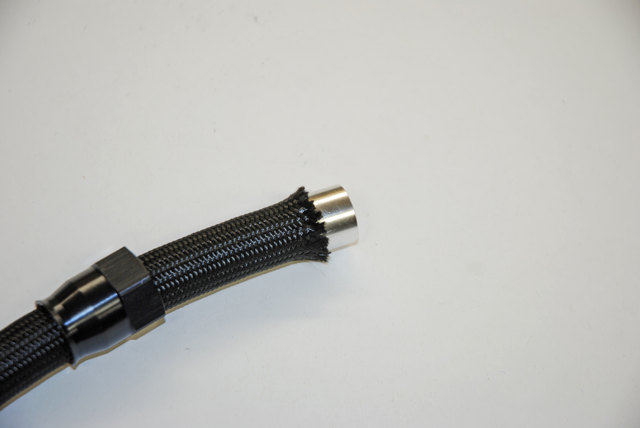
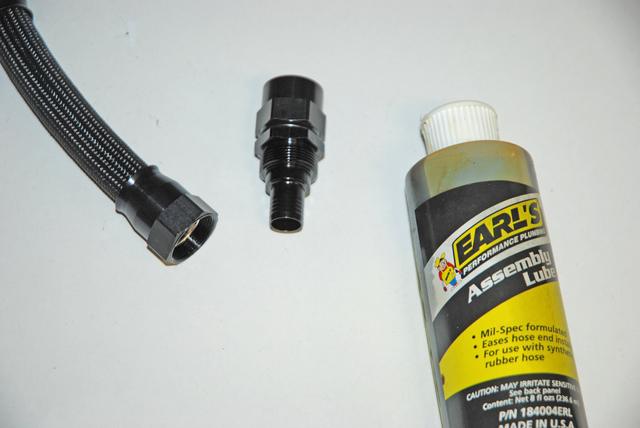
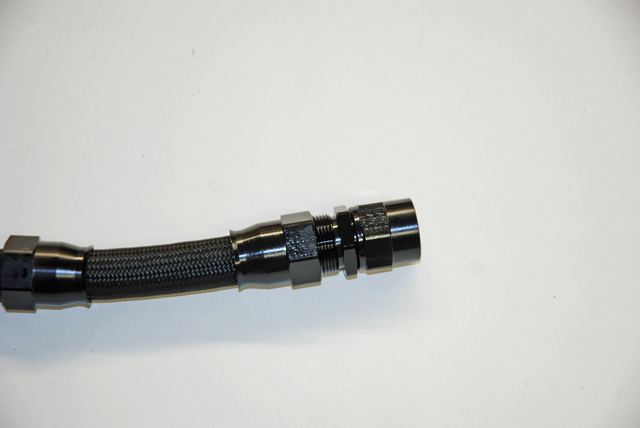
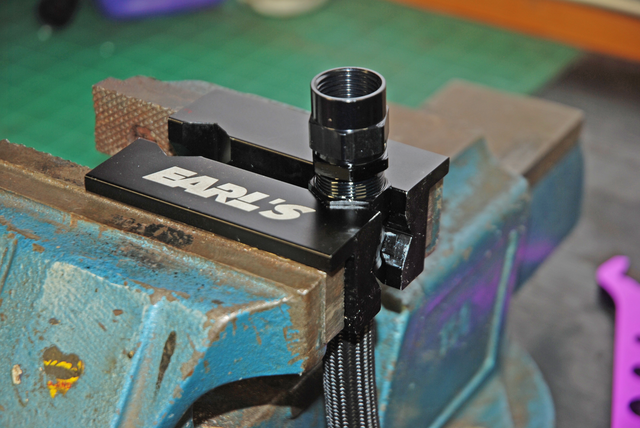
In the photos that follow, we’ll wrap up our look at assembling UltraPro hose and hose ends. It’s not difficult and can be done at home. Check it out:
With this installment of Plumbing 101, we’ll complete the assembly of Earl’s UltraPro hose. This will also wrap up our fuel system plumbing series. To rewind a bit, UltraPro hose is based around a special Teflon (PTFE) inner liner that is impervious to all known fuels, oils and coolants used in today’s high performance racing and street applications. The UltraPro Polyester Braid hose we’re using here is up to 67% lighter than traditional rubber hose with stainless steel braid. Meanwhile, UltraPro Stainless Steel Braid hose is up to 37% lighter than traditional rubber hose with stainless steel braid. It’s also very flexible and has a low coefficient of friction, which obviously helps with fluid flow through the hose.
When working with this hose, it’s a good idea to have some spare olives on hand. The reason is, re-used olives will diminish the pressure rating of the hose and can cause seepage. Once a hose is assembled, you should never loosen a socket (for the rest of the fitting). If you must disassemble the socket, you must disassemble the hose, and the process must be repeated from the beginning with a new olive.
If for some reason you have to disassemble the sockets from the hose, Earl’s Performance offers the following advice:
• Lightly grip the hose end body in a vise and use a wrench to remove the hose end body.
• Next, clamp the vise onto the hose one inch away from the socket. This will destroy the section of hose crushed by the vise.
• Use a wrench to turn the socket and twist the hose until it stops. With a quick motion, further rotate the wrench, snapping the socket loose from the olive.
• Remove and reform the hose to round and disassemble the hose end components.
In the photos that follow, we’ll wrap up our look at assembling UltraPro hose and hose ends. It’s not difficult and can be done at home. Check it out:
Leave a Reply