





![[Gallery] The Last Hot Rod Fall Out XX](https://www.racingjunk.com/news/wp-content/uploads/2026/04/DSC_8368-e1776446464704-376x206.jpg)

How To Measure Jesel Rockers For Pushrod Length: Part 1
Click Here to Begin Slideshow
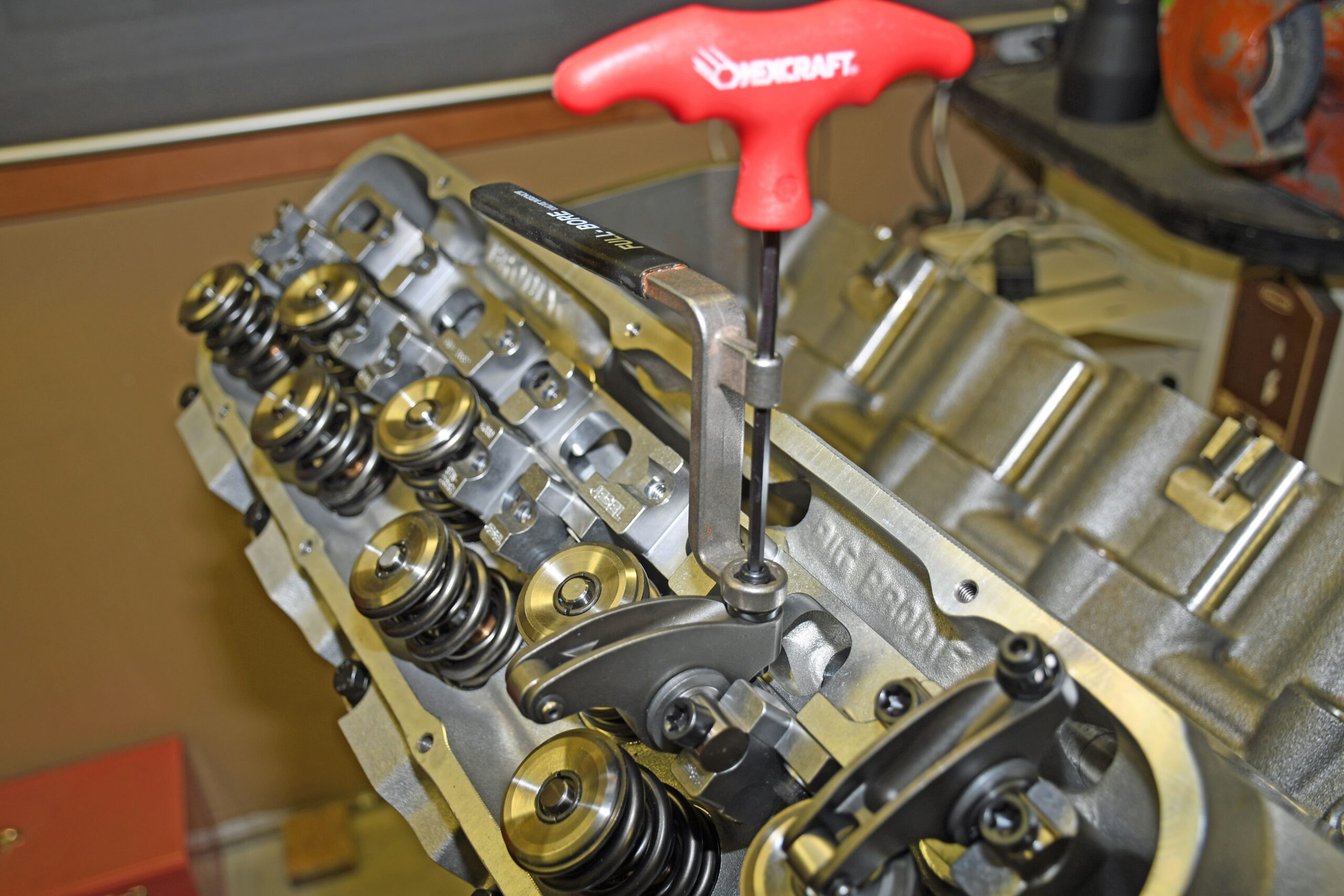
When you purchase a new set of shaft rockers from Jesel(or actually, any roller rocker for that matter) it’s a good idea to check how the rocker sweeps across the valve tip. Sweep is established by way of the rocker stand height. And equally important, you have to accurately determine the length of the pushrod. Dollars to doughnuts, you’ll need new pushrods. Once you have the rocker shaft height figured out (another story), you can investigate pushrod length. This isn’t a difficult job, but you will need a set of adjustable pushrod length checking tools to get it done.
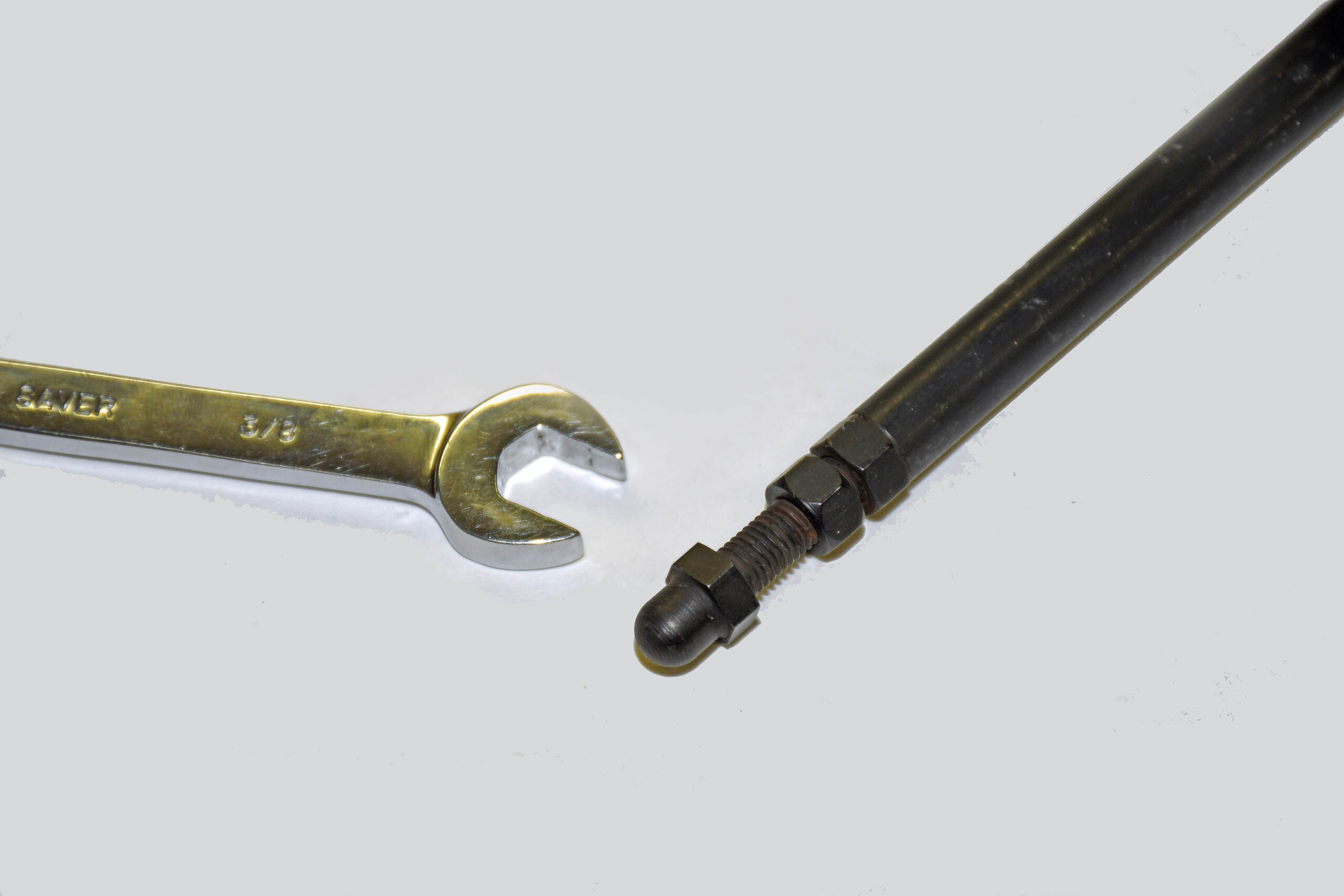
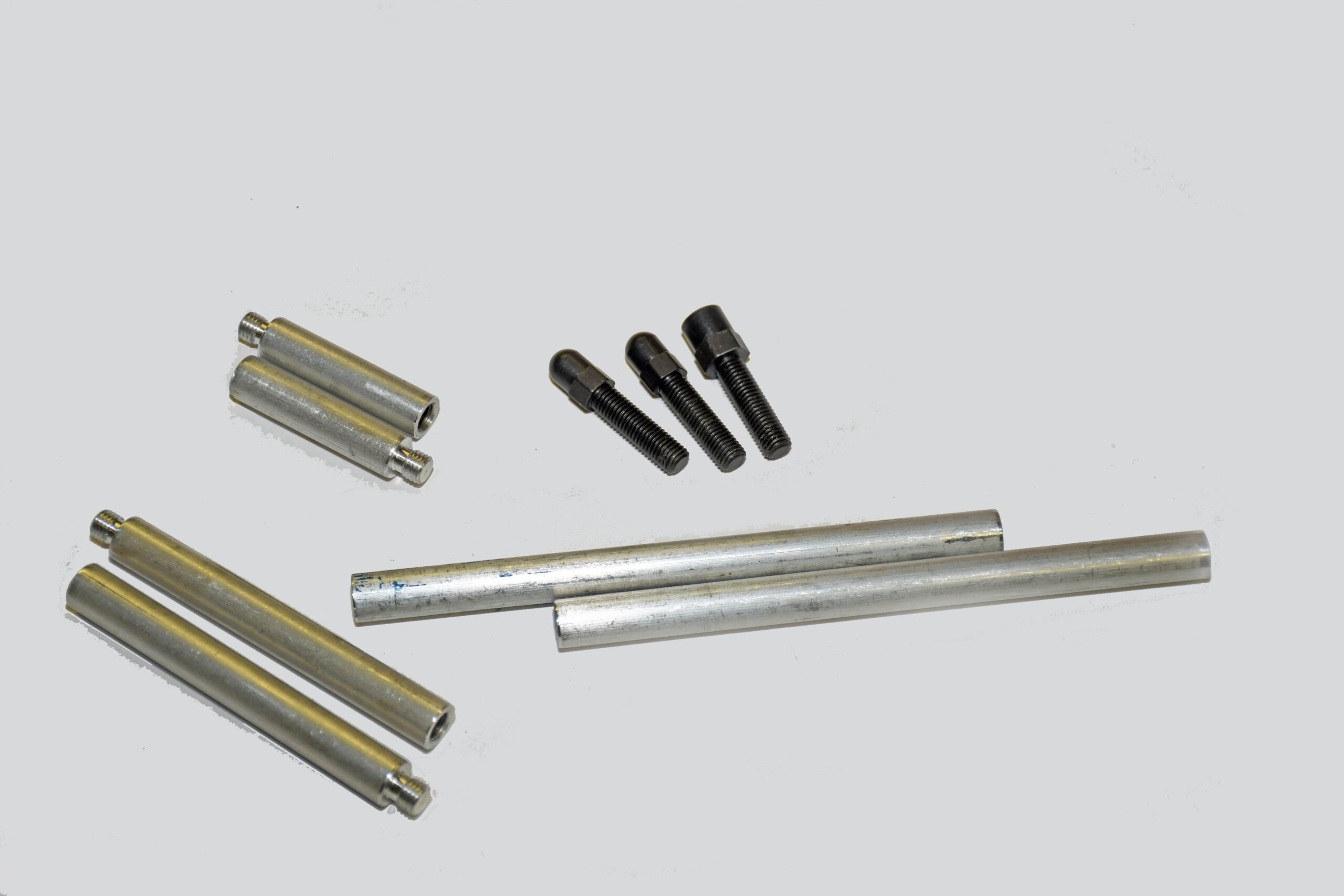
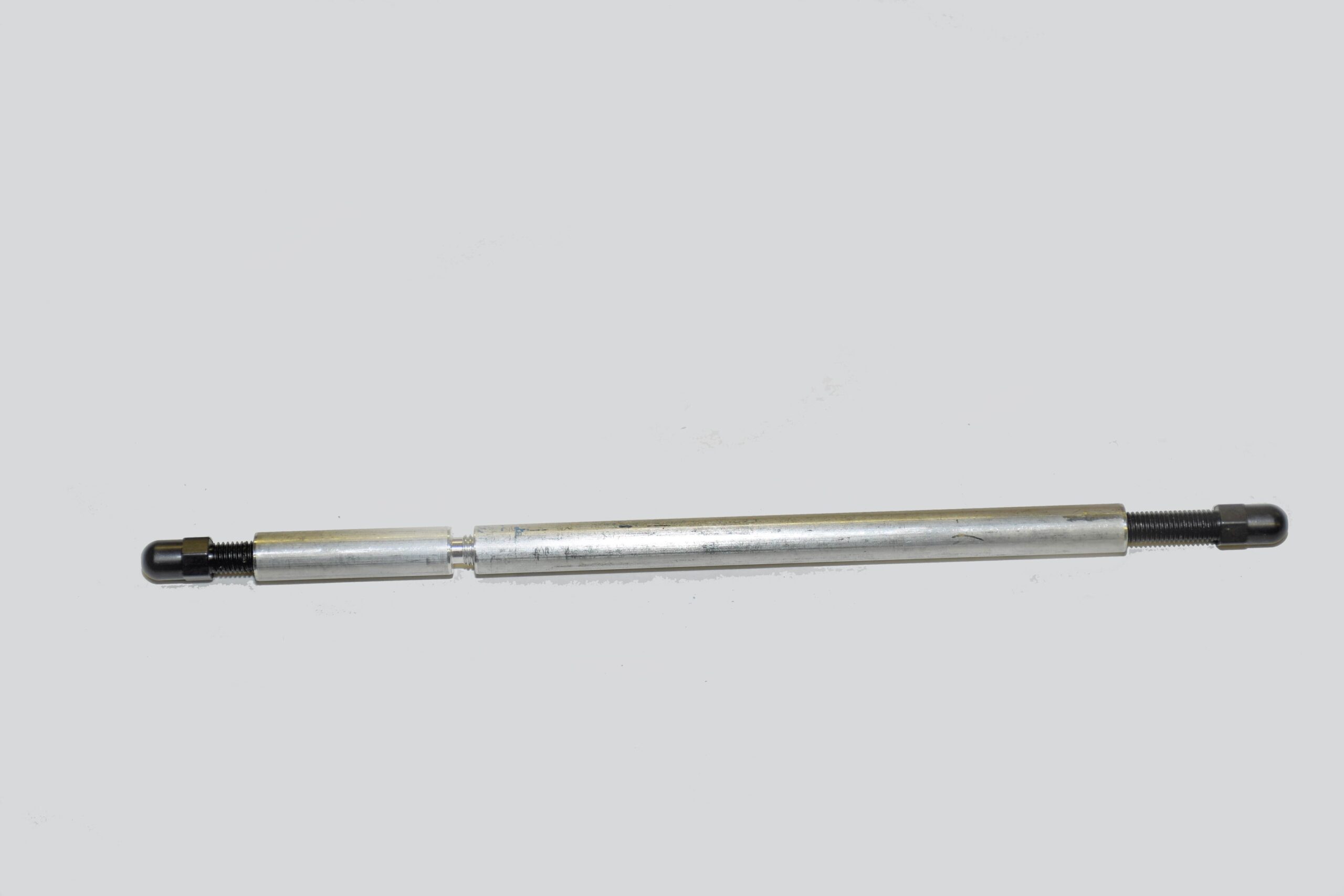
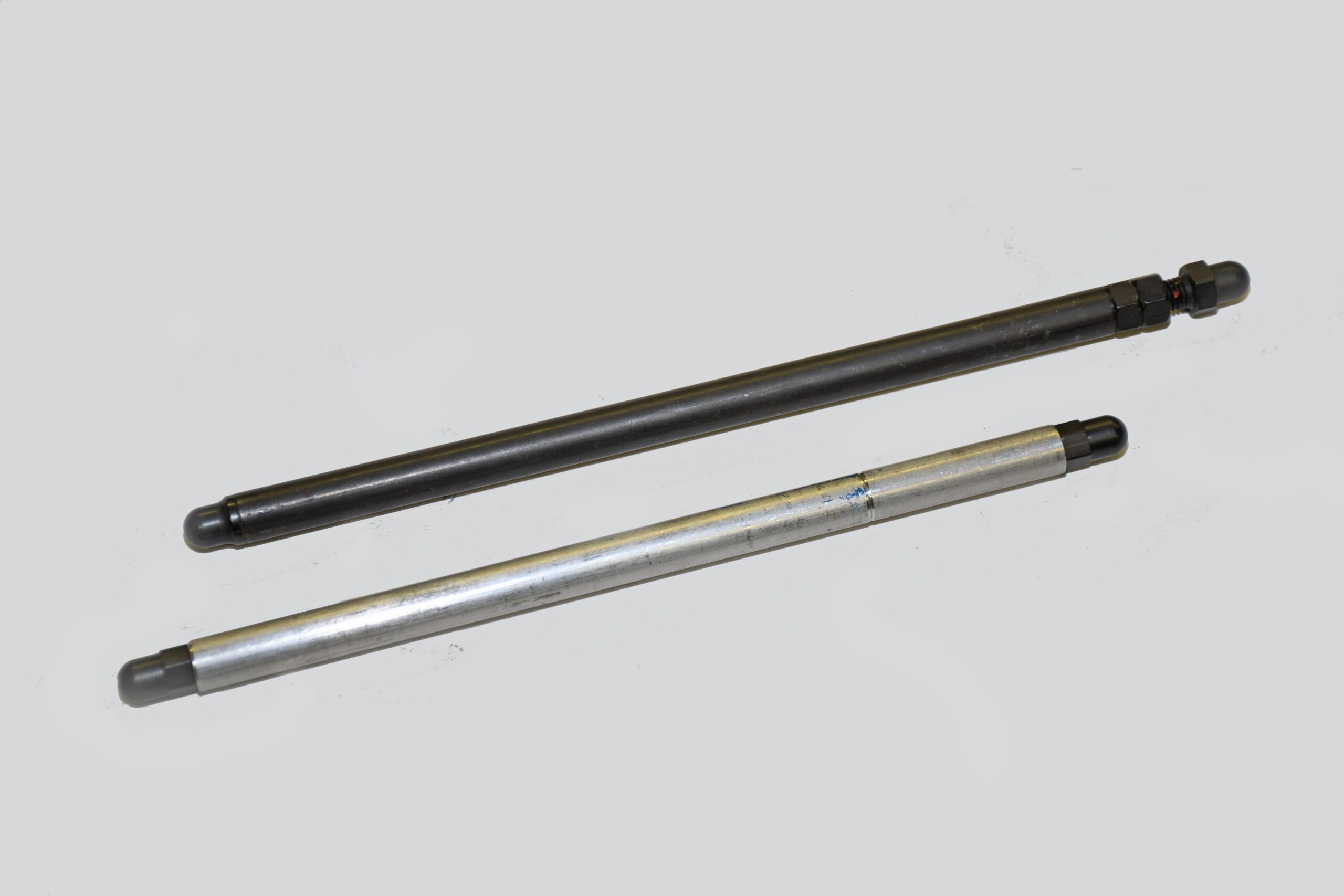
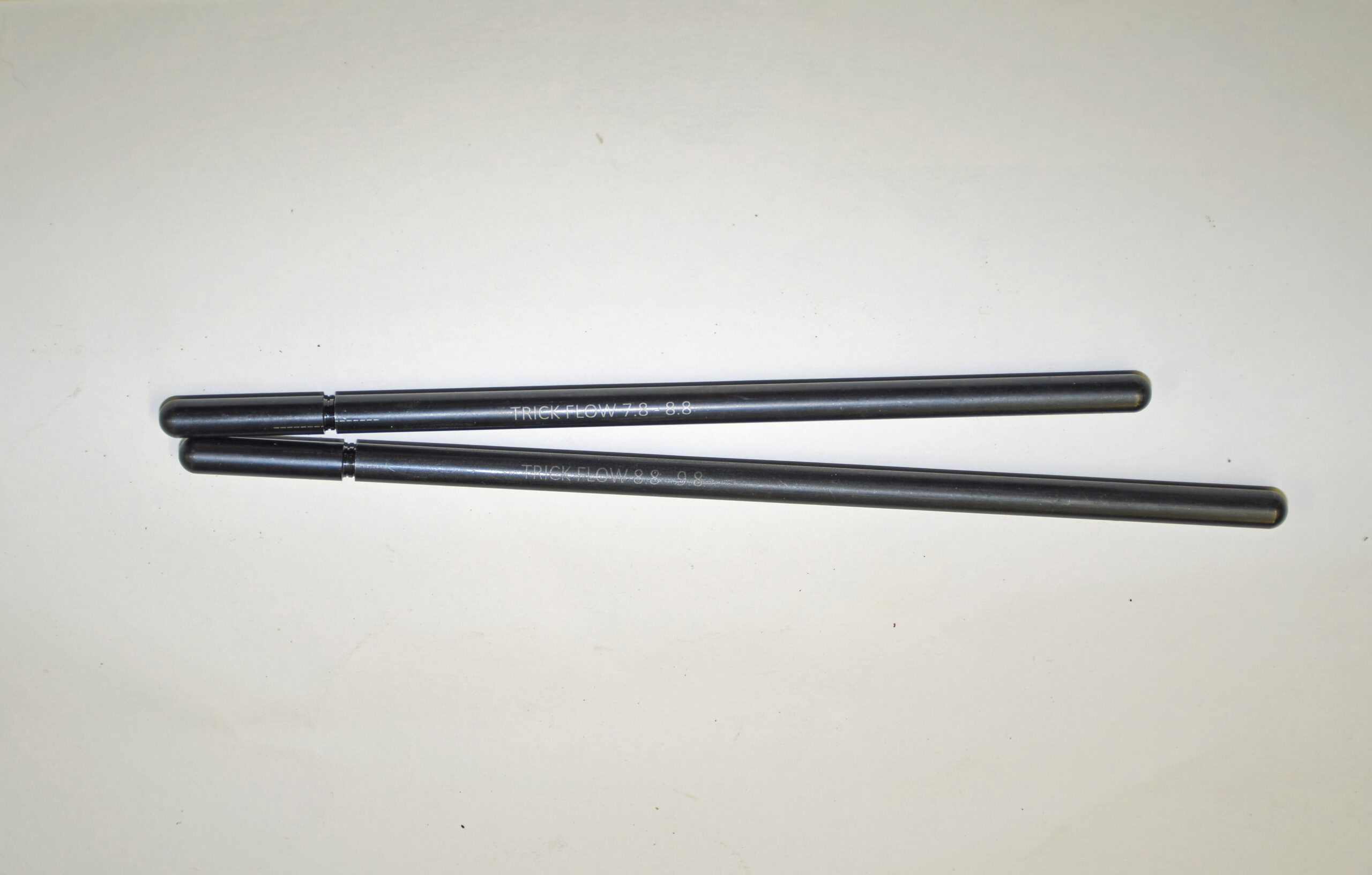
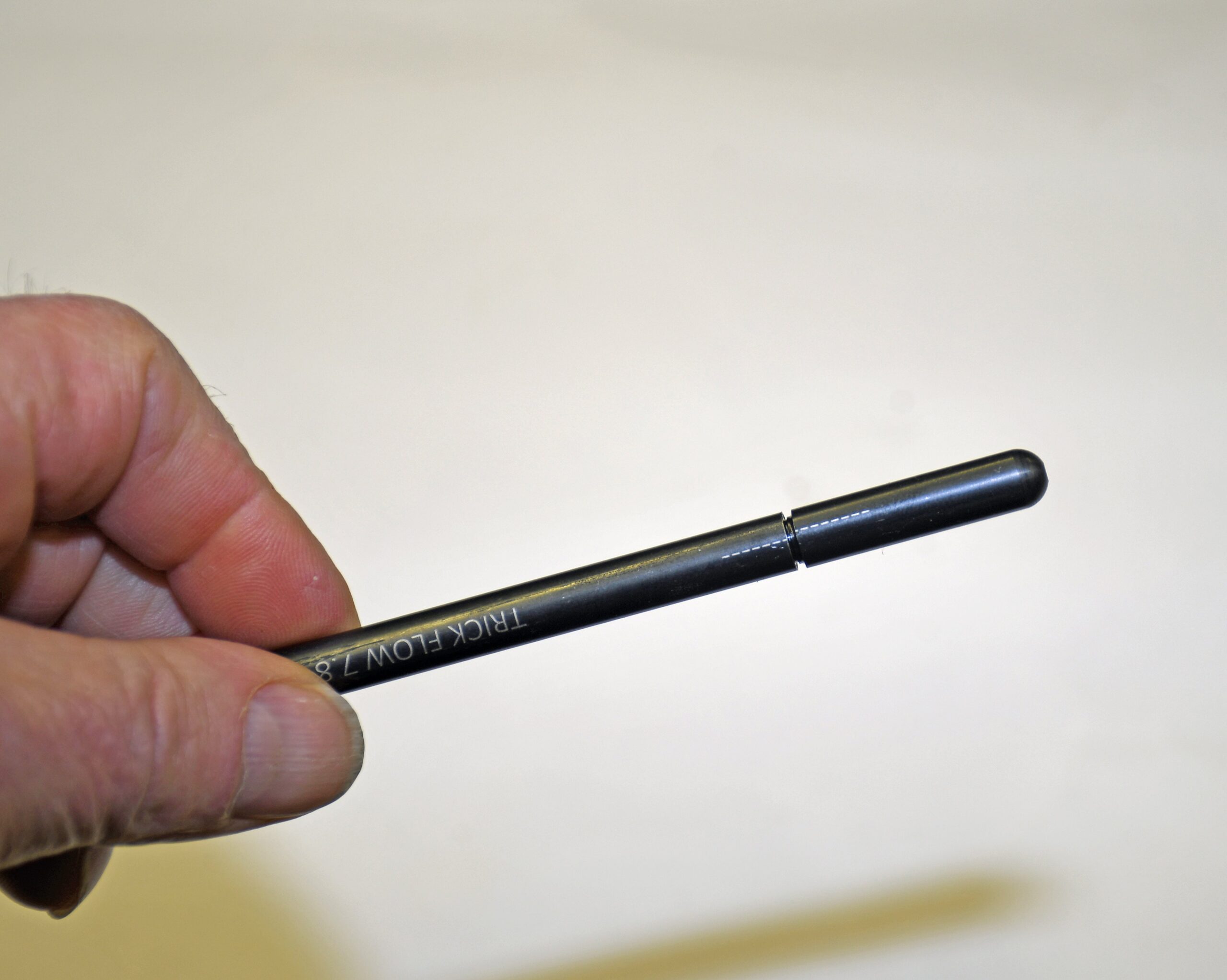
Jesel offers three different pushrod length checking tools – two for cup style adjusters and one for ball format adjusters. Other manufacturers offer similar tools. In the photos that follow, I’m using checking tools from Trick Flow Specialties. These particular tools are marked with a laser-etched alignment line. Each full rotation of the adjustable pushrod represents 0.050-inch. As an example, if you have an 8.800-inch checking pushrod and it’s fully screwed together, if you turn it out one revolution for your setup, then the correct pushrod is 8.850 inches (the standard 8.800-inches + 0.050 = 8.850-inches).
If the pushrod length checking tool(s) you use are not marked, then you’ll have to accurately measure the length of the pushrod by way of a large caliper. Calipers that open to 9 or so inches (or longer) aren’t really that common in many enthusiast tool boxes. Finally, for some engines, such as the big block Chevy shown here, you’ll need two tools – one for the intake rocker and one for the exhaust.
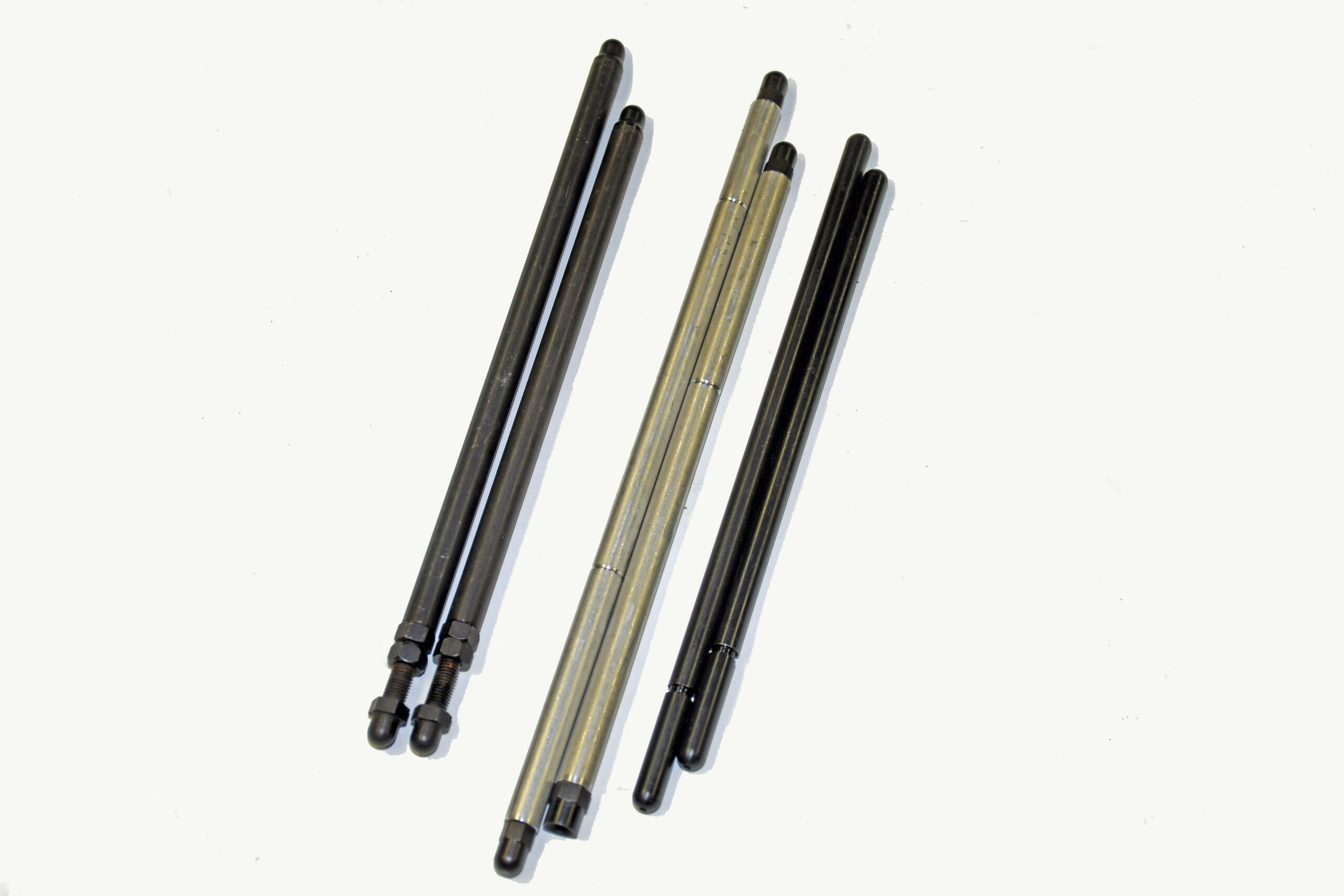
For this portion of the article, we’ll look closely at several different types of adjustable checking pushrods in the accompanying photos. One set from Jesel, one set from the “old” Crane Cams (unfortunately, now obsolete) and one set from Trick Flow Specialties. In the next article, we’ll show you how to actually measure for custom pushrods. The reality is, the entire process is not that difficult!
For a closer look at the checking pushrods mentioned above, take a look at the accompanying slideshow:
Click Here to Begin Slideshow
When you purchase a new set of shaft rockers from Jesel(or actually, any roller rocker for that matter) it’s a good idea to check how the rocker sweeps across the valve tip. Sweep is established by way of the rocker stand height. And equally important, you have to accurately determine the length of the pushrod. Dollars to doughnuts, you’ll need new pushrods. Once you have the rocker shaft height figured out (another story), you can investigate pushrod length. This isn’t a difficult job, but you will need a set of adjustable pushrod length checking tools to get it done.
Jesel offers three different pushrod length checking tools – two for cup style adjusters and one for ball format adjusters. Other manufacturers offer similar tools. In the photos that follow, I’m using checking tools from Trick Flow Specialties. These particular tools are marked with a laser-etched alignment line. Each full rotation of the adjustable pushrod represents 0.050-inch. As an example, if you have an 8.800-inch checking pushrod and it’s fully screwed together, if you turn it out one revolution for your setup, then the correct pushrod is 8.850 inches (the standard 8.800-inches + 0.050 = 8.850-inches).
If the pushrod length checking tool(s) you use are not marked, then you’ll have to accurately measure the length of the pushrod by way of a large caliper. Calipers that open to 9 or so inches (or longer) aren’t really that common in many enthusiast tool boxes. Finally, for some engines, such as the big block Chevy shown here, you’ll need two tools – one for the intake rocker and one for the exhaust.
For this portion of the article, we’ll look closely at several different types of adjustable checking pushrods in the accompanying photos. One set from Jesel, one set from the “old” Crane Cams (unfortunately, now obsolete) and one set from Trick Flow Specialties. In the next article, we’ll show you how to actually measure for custom pushrods. The reality is, the entire process is not that difficult!
For a closer look at the checking pushrods mentioned above, take a look at the accompanying slideshow:
Click Here to Begin Slideshow
Leave a Reply