




![[Gallery] Eric's 1934 Coupe Named "The Beast"](https://www.racingjunk.com/news/wp-content/uploads/2022/06/20200527_161929-min-scaled-e1655842527384-376x206.jpg)
![[Gallery] Cruisin’ One Daytona](https://www.racingjunk.com/news/wp-content/uploads/2026/03/DSC_0538-e1774027057404-376x206.jpg)


WALKING THE CLUTCH TIGHT ROPE – Part 3
Click Here to Begin Slideshow
In the past couple of issues(Part 1, Part 2, we looked at what the ClutchTamer is and how it works. If you point your browser back to those articles, you’ll recall the ClutchTamer is an adjustable hydraulic device that hooks up to the clutch pedal and the dash structure. What it does is to carefully control clutch slippage. Installing it and adjusting the system is pretty simple. And thanks to Grant Robbins (the brains behind the ClutchTamer), we can provide you with a pretty good idea on adjusting everything to work in your car. What follows are the basic adjustment procedure, directly from Grant. Keep in mind, there are additional ways to fine tune the system, with much of that info laid out on the www.ClutchTamer.com website.
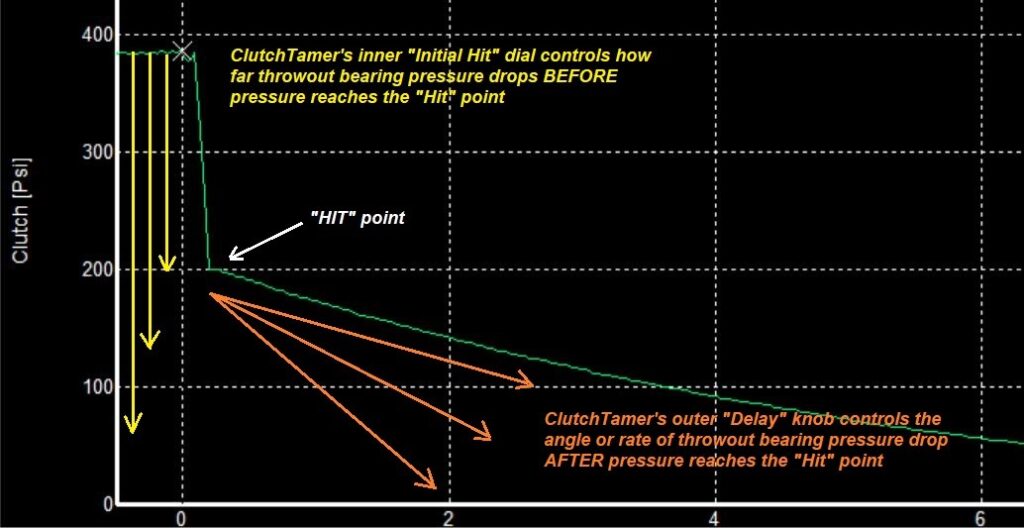
“Before you begin: It's very important to choose a delay setting before tuning the initial hit. It may seem counter-intuitive at first, but higher delay settings actually produce a crisper initial hit setting. That's because low delay settings allow the pedal to pass too quickly thru the "sweet spot" hit zone. That will create an initial hit setting that's actually too soft and appear as if it is too harsh. When you release the pedal, you want it to instantly hit deep within that sweet spot zone. You want a nice crisp hit that's just short of spinning the tires, but that crisp hit will require a lot of delay to keep it from leaving that sweet spot zone prematurely.
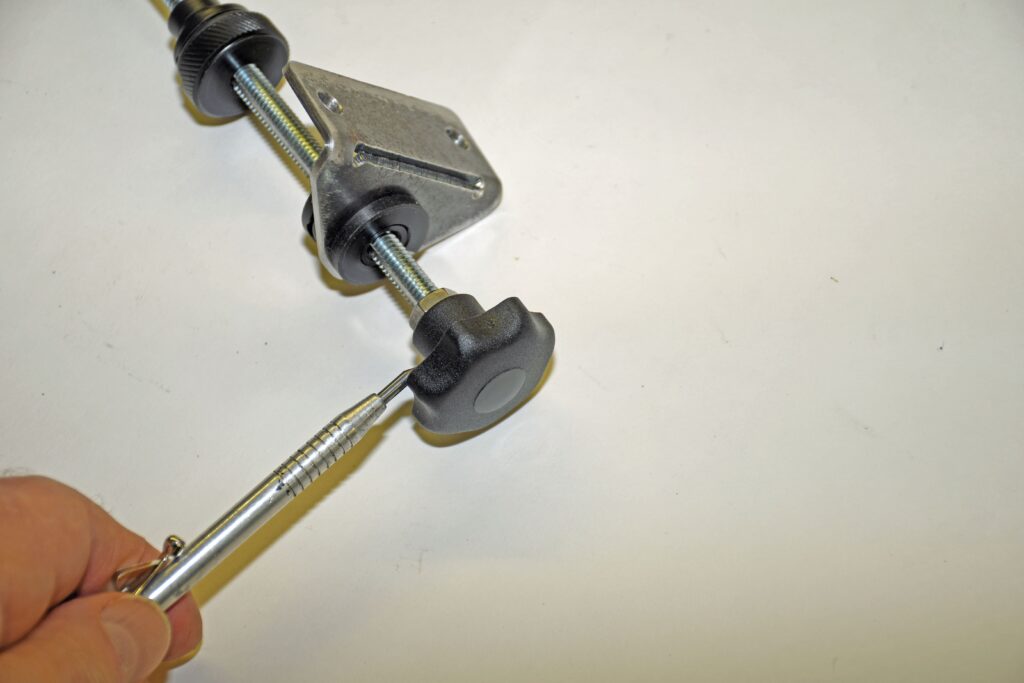
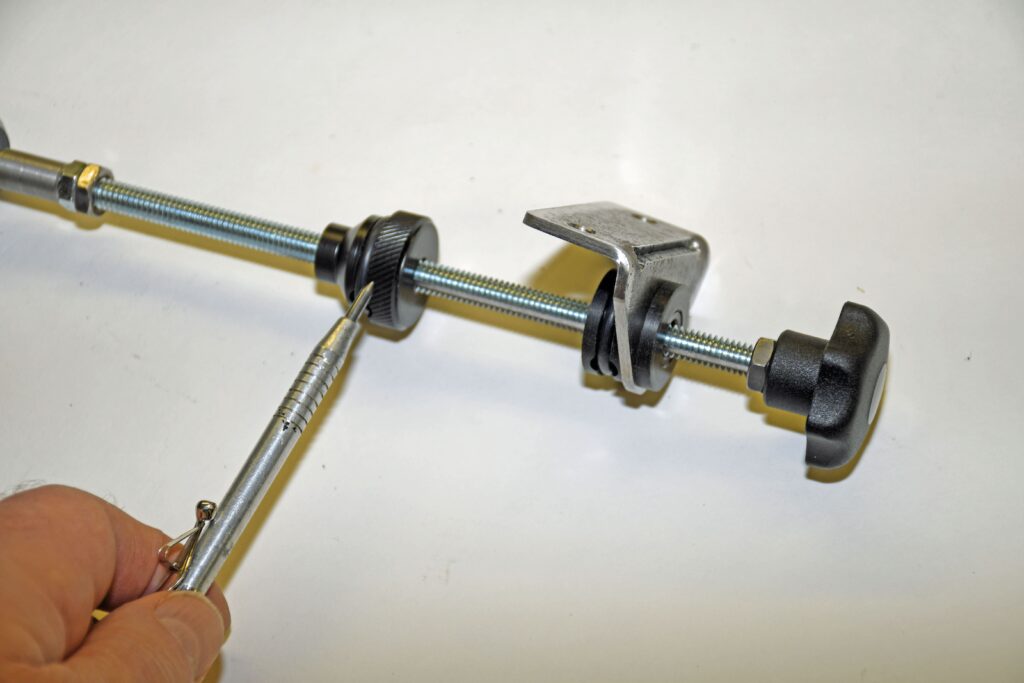
Step 1: Slowly turn the outer "delay" knob counter-clockwise until you feel a slight resistance. The point where you feel that resistance is the "0" delay setting.
If your goal is to protect drivetrain parts, begin your ClutchTamer dial-in process with an outer "delay" setting of 1-2 turns clockwise from "0". These lower delay settings produce a softer hit with slightly more slipping after the shifts. Low delay settings are preferred when you have a weak link in your drivetrain.
If your goal is a good 60', low ET, and quick reaction time, begin your ClutchTamer dial-in process with an outer "delay" setting of 3-5 turns clockwise from "0". These higher delay settings produce a quick reacting crisp hit that's just short of spinning the tires. High staging rpm will be necessary to produce best results.
Step 2: Set the ClutchTamer's inner "initial hit" dial to a setting that stops the pedal at approximately the midway point during a simulated launch with the engine "off".
Step 3: Begin a series of short 3000rpm test hits from a standing start. These hits shouldn't last more than a second or so.
If the tires spin on the hit, adjust the inner "initial hit" dial a couple turns counter-clockwise, repeat the hit.
If the engine instantly bogs on the hit, adjust the inner "initial hit" dial a couple turns counter-clockwise, repeat the hit.
If the engine does not bog at all on the hit, adjust the inner "initial hit" dial a couple turns clockwise, repeat the hit.
At this point we are looking for a happy medium hit where the clutch causes the engine to bog a bit without causing tire spin.
Step 4: Next, make test hits from 4500 RPM:
If the clutch doesn't bog the engine a little, abort the run. Give the clutch a little time to cool, then turn the inner dial 1 click clockwise and repeat step 4.
If the clutch either bogs the engine too much or the tires spin, abort the run. Give the clutch a little time to cool, then turn the inner dial 1 click counter-clockwise and repeat step 4.
If everything feels good, continue the pass thru 2nd gear. If the shift seems too soft, add another 1/2 turn of "initial hit" (inner dial clockwise), then repeat step 4.”
Grant also notes: “It's important to understand that additional clutch torque capacity, beyond the capacity needed to hold the engine's torque, is what controls how fast a clutch pulls the engine down after a WOT launch. Some additional torque capacity is necessary, as you don't want the clutch slipping when it doesn't need to. But too much additional clutch torque capacity will cause the clutch to pull inertia out of the engine too quickly, resulting in either bogging the engine, spinning the tires, or hurting the drivetrain.
“Let’s say you have an overkill clutch that can hold 1000ft/lbs behind an engine that only makes 600. If you launch the car and allow that clutch to hit with its full 1000 Foot-Pound capacity, it's going to instantly pull an additional 400 Foot Pounds of inertia out of the rotating assembly, which in turn causes the engine to lose rpm pretty quickly. Too much extra clutch torque capacity and the clutch either pulls the engine down too fast (bog), knocks the tires loose (spin), or breaks drivetrain parts. But if you dialed the initial hit of that 1000 Foot Pounds clutch all the way back to around 700 Foot Pounds, it still holds all of the engine's 600 Foot Pounds of torque, except now it only pulls engine rpm down at a much slower 100 Foot Pounds rate. Because the car is gaining speed while the clutch is pulling the engine down, the result of the slower pulldown rate is that the engine doesn't get pulled down as far.
“You’ll often discover the clutch pedal often doesn’t have sufficient time to return to the top of the stroke before you make the next shift. This is normal, and more noticeable when the clutch has a lot more capacity than the engine. Basically, it's because the target window between a "properly firm initial hit" and "clutch lockup" is very narrow, and we are using the ClutchTamer's delay function to widen that window. It's not a bad thing and actually speeds up the wide open throttle shifting, as it effectively shortens pedal travel. Because the pedal has not yet returned all the way back to the top, now your foot won't have to waste time pushing the pedal thru that “dead band area” when you reach your shift point.”
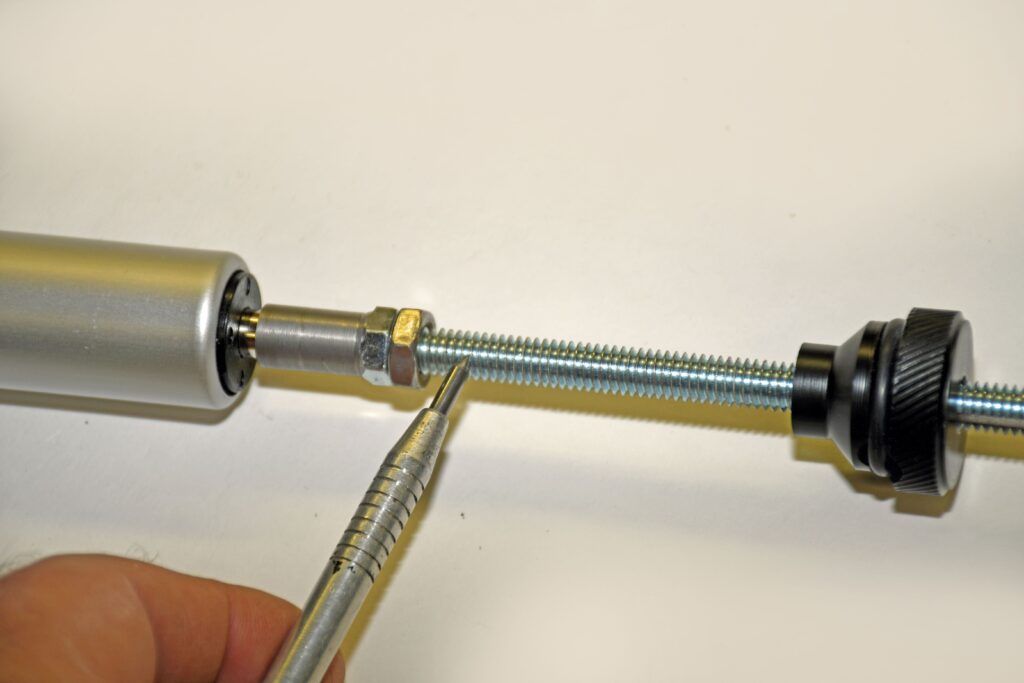
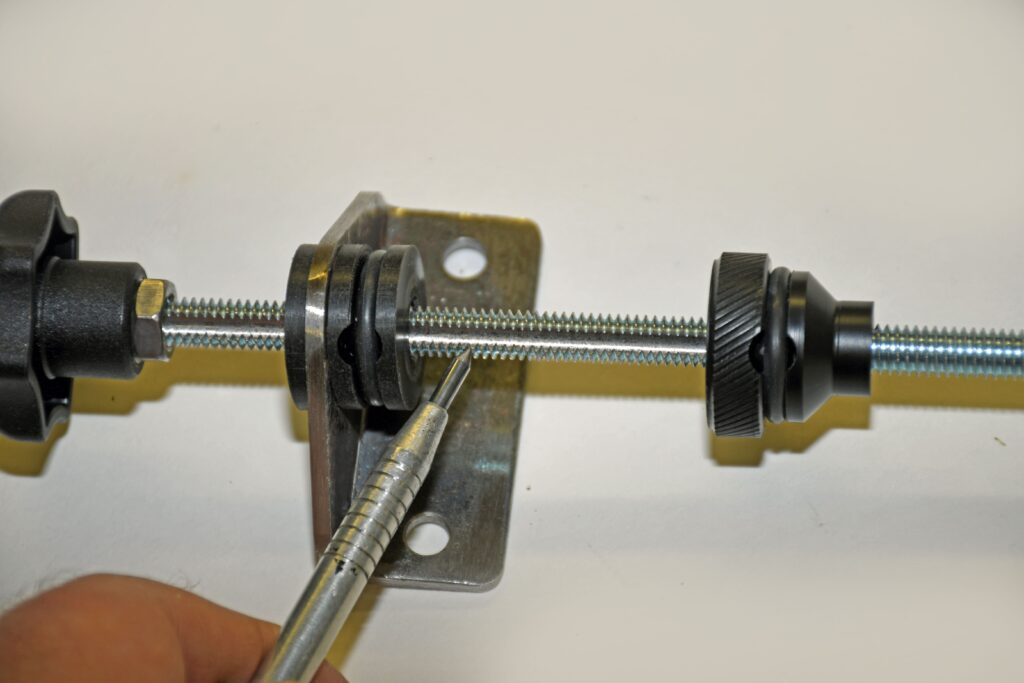
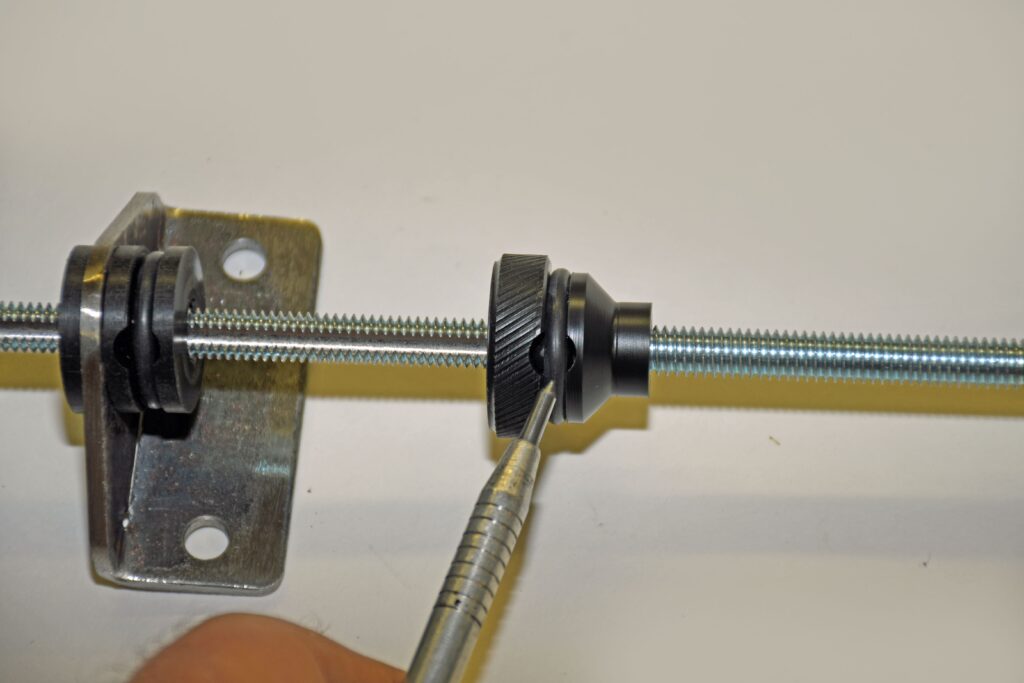
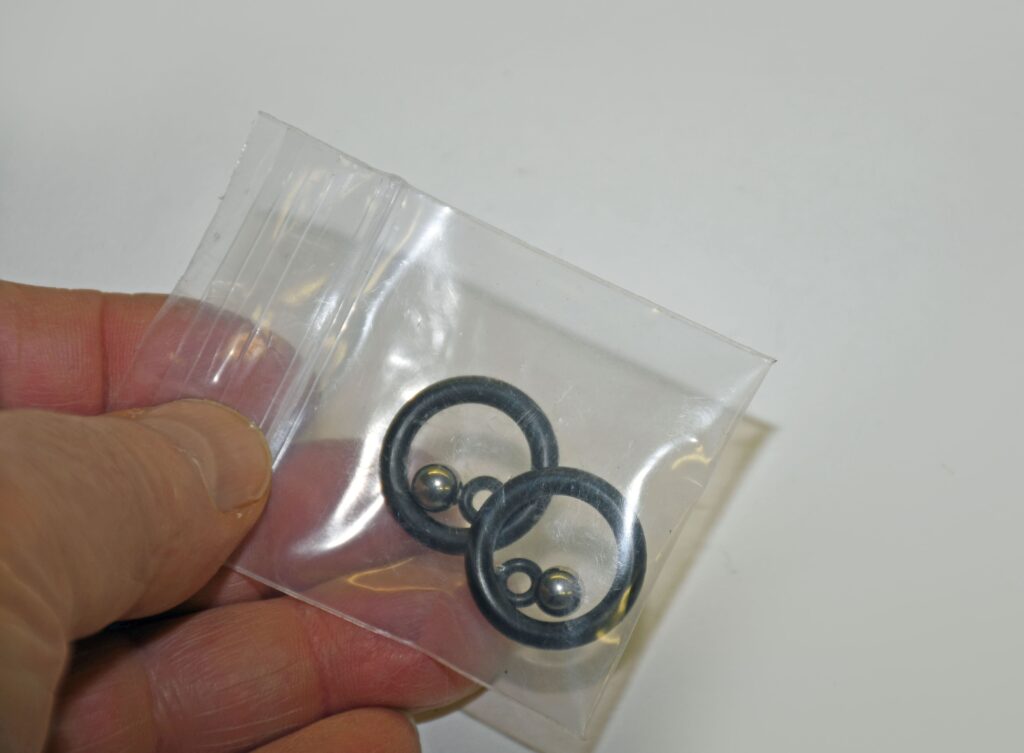
As you can see, there’s a considerable amount of adjustment available. For a closer look, check out the accompanying photos.
ClutchTamer
Granny's
PO Box 814
Concrete, WA 98237 USA
PH: 360-391-1208
Website: www.clutchtamer.com
Click Here to Begin Slideshow
In the past couple of issues(Part 1, Part 2, we looked at what the ClutchTamer is and how it works. If you point your browser back to those articles, you’ll recall the ClutchTamer is an adjustable hydraulic device that hooks up to the clutch pedal and the dash structure. What it does is to carefully control clutch slippage. Installing it and adjusting the system is pretty simple. And thanks to Grant Robbins (the brains behind the ClutchTamer), we can provide you with a pretty good idea on adjusting everything to work in your car. What follows are the basic adjustment procedure, directly from Grant. Keep in mind, there are additional ways to fine tune the system, with much of that info laid out on the www.ClutchTamer.com website.
“Before you begin: It's very important to choose a delay setting before tuning the initial hit. It may seem counter-intuitive at first, but higher delay settings actually produce a crisper initial hit setting. That's because low delay settings allow the pedal to pass too quickly thru the "sweet spot" hit zone. That will create an initial hit setting that's actually too soft and appear as if it is too harsh. When you release the pedal, you want it to instantly hit deep within that sweet spot zone. You want a nice crisp hit that's just short of spinning the tires, but that crisp hit will require a lot of delay to keep it from leaving that sweet spot zone prematurely.
Step 1: Slowly turn the outer "delay" knob counter-clockwise until you feel a slight resistance. The point where you feel that resistance is the "0" delay setting.
If your goal is to protect drivetrain parts, begin your ClutchTamer dial-in process with an outer "delay" setting of 1-2 turns clockwise from "0". These lower delay settings produce a softer hit with slightly more slipping after the shifts. Low delay settings are preferred when you have a weak link in your drivetrain.
If your goal is a good 60', low ET, and quick reaction time, begin your ClutchTamer dial-in process with an outer "delay" setting of 3-5 turns clockwise from "0". These higher delay settings produce a quick reacting crisp hit that's just short of spinning the tires. High staging rpm will be necessary to produce best results.
Step 2: Set the ClutchTamer's inner "initial hit" dial to a setting that stops the pedal at approximately the midway point during a simulated launch with the engine "off".
Step 3: Begin a series of short 3000rpm test hits from a standing start. These hits shouldn't last more than a second or so.
If the tires spin on the hit, adjust the inner "initial hit" dial a couple turns counter-clockwise, repeat the hit.
If the engine instantly bogs on the hit, adjust the inner "initial hit" dial a couple turns counter-clockwise, repeat the hit.
If the engine does not bog at all on the hit, adjust the inner "initial hit" dial a couple turns clockwise, repeat the hit.
At this point we are looking for a happy medium hit where the clutch causes the engine to bog a bit without causing tire spin.
Step 4: Next, make test hits from 4500 RPM:
If the clutch doesn't bog the engine a little, abort the run. Give the clutch a little time to cool, then turn the inner dial 1 click clockwise and repeat step 4.
If the clutch either bogs the engine too much or the tires spin, abort the run. Give the clutch a little time to cool, then turn the inner dial 1 click counter-clockwise and repeat step 4.
If everything feels good, continue the pass thru 2nd gear. If the shift seems too soft, add another 1/2 turn of "initial hit" (inner dial clockwise), then repeat step 4.”
Grant also notes: “It's important to understand that additional clutch torque capacity, beyond the capacity needed to hold the engine's torque, is what controls how fast a clutch pulls the engine down after a WOT launch. Some additional torque capacity is necessary, as you don't want the clutch slipping when it doesn't need to. But too much additional clutch torque capacity will cause the clutch to pull inertia out of the engine too quickly, resulting in either bogging the engine, spinning the tires, or hurting the drivetrain.
“Let’s say you have an overkill clutch that can hold 1000ft/lbs behind an engine that only makes 600. If you launch the car and allow that clutch to hit with its full 1000 Foot-Pound capacity, it's going to instantly pull an additional 400 Foot Pounds of inertia out of the rotating assembly, which in turn causes the engine to lose rpm pretty quickly. Too much extra clutch torque capacity and the clutch either pulls the engine down too fast (bog), knocks the tires loose (spin), or breaks drivetrain parts. But if you dialed the initial hit of that 1000 Foot Pounds clutch all the way back to around 700 Foot Pounds, it still holds all of the engine's 600 Foot Pounds of torque, except now it only pulls engine rpm down at a much slower 100 Foot Pounds rate. Because the car is gaining speed while the clutch is pulling the engine down, the result of the slower pulldown rate is that the engine doesn't get pulled down as far.
“You’ll often discover the clutch pedal often doesn’t have sufficient time to return to the top of the stroke before you make the next shift. This is normal, and more noticeable when the clutch has a lot more capacity than the engine. Basically, it's because the target window between a "properly firm initial hit" and "clutch lockup" is very narrow, and we are using the ClutchTamer's delay function to widen that window. It's not a bad thing and actually speeds up the wide open throttle shifting, as it effectively shortens pedal travel. Because the pedal has not yet returned all the way back to the top, now your foot won't have to waste time pushing the pedal thru that “dead band area” when you reach your shift point.”
As you can see, there’s a considerable amount of adjustment available. For a closer look, check out the accompanying photos.
ClutchTamer
Granny's
PO Box 814
Concrete, WA 98237 USA
PH: 360-391-1208
Website: www.clutchtamer.com
Click Here to Begin Slideshow
Leave a Reply