




![[Gallery] Eric's 1934 Coupe Named "The Beast"](https://www.racingjunk.com/news/wp-content/uploads/2022/06/20200527_161929-min-scaled-e1655842527384-376x206.jpg)
![[Gallery] Cruisin’ One Daytona](https://www.racingjunk.com/news/wp-content/uploads/2026/03/DSC_0538-e1774027057404-376x206.jpg)


Walking the Clutch Tightrope Part 1
Click Here to Begin Slideshow
When we left you in the last issue, we explained the issues with campaigning a clutch-equipped street-strip car. For anyone who has been there, it can prove to be an excruciating experience. At the least, you’ll end up devoting quality time under the car either adjusting the clutch or fixing drivetrain parts. That’s where the ClutchTamer enters the equation. It’s a device that allows you to use a reliable, conventional clutch in the car without resorting to expensive aftermarket adjustable clutch assemblies. It also allows you to adjust the way a clutch reacts by simply turning a knob from the cockpit of the car. No more climbing under the car to make adjustments.
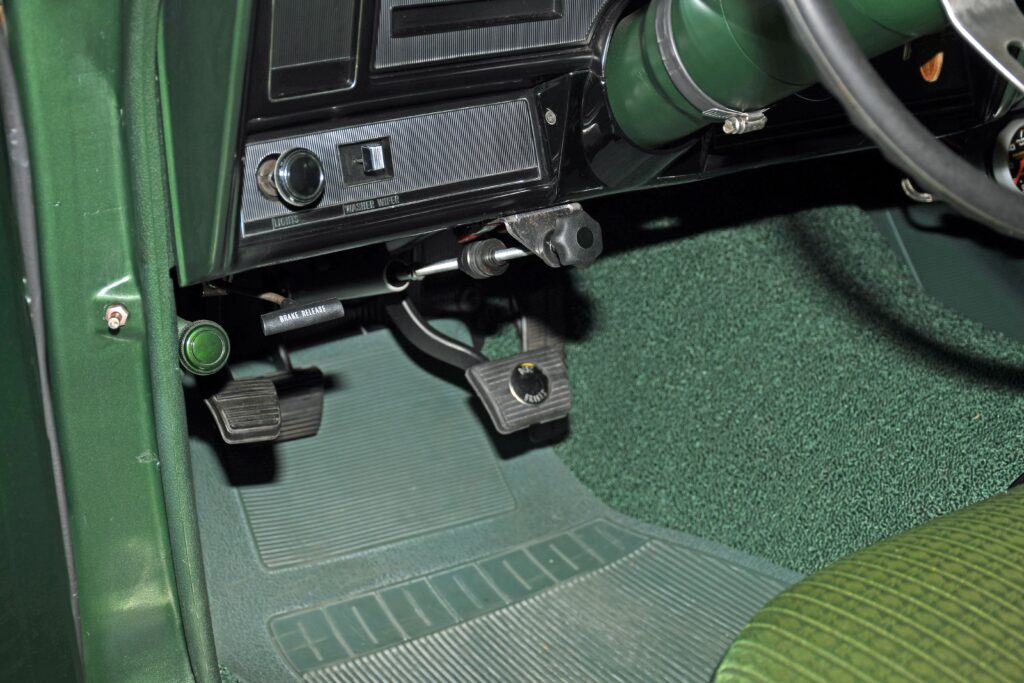
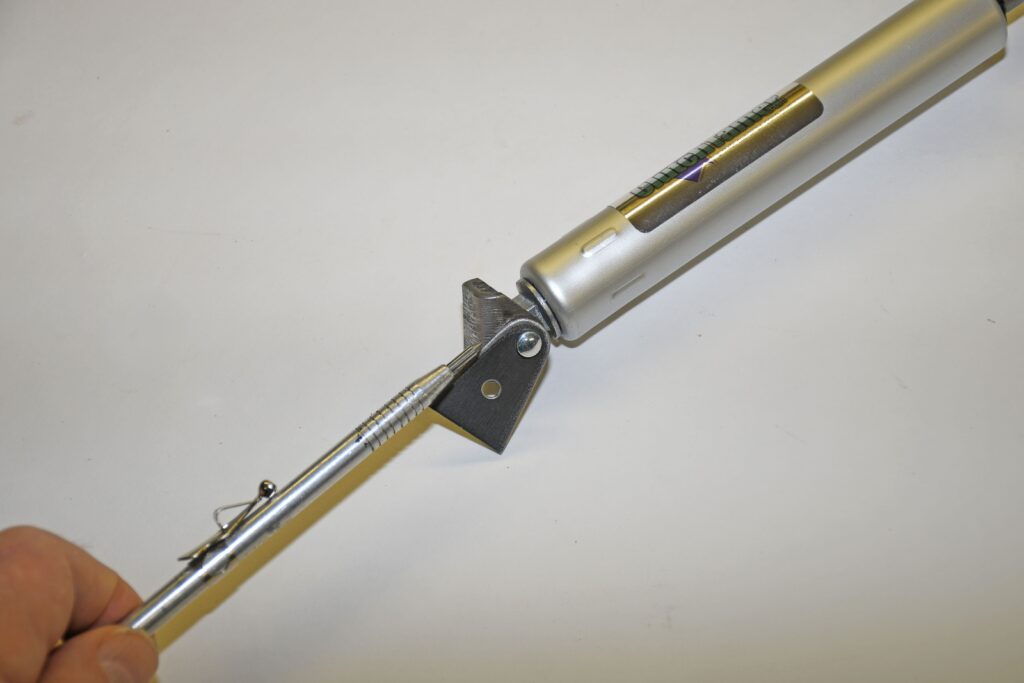
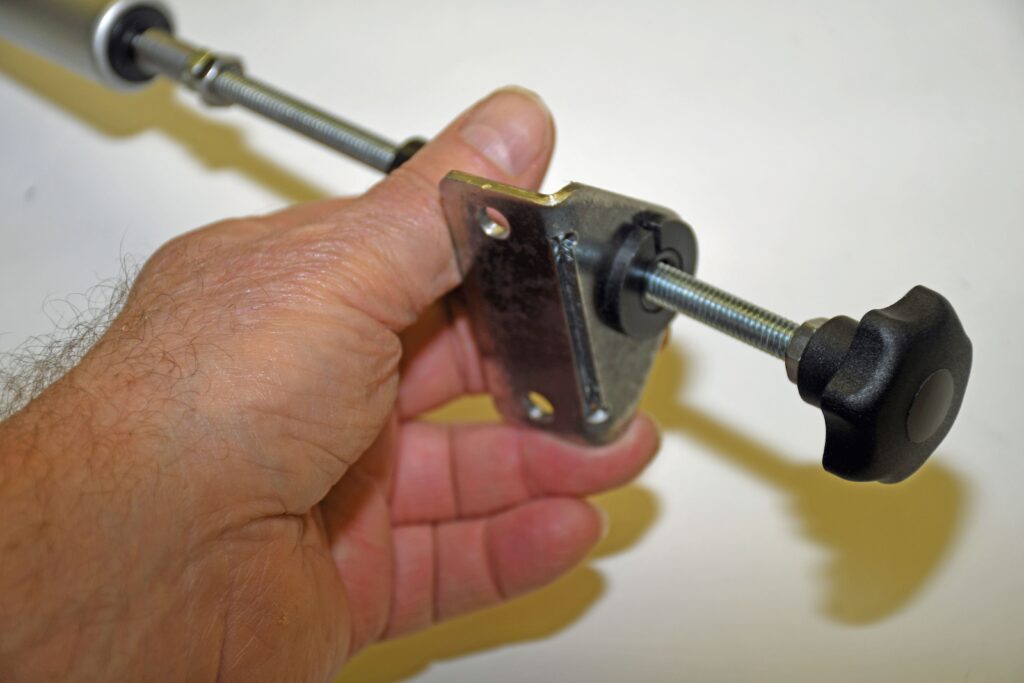
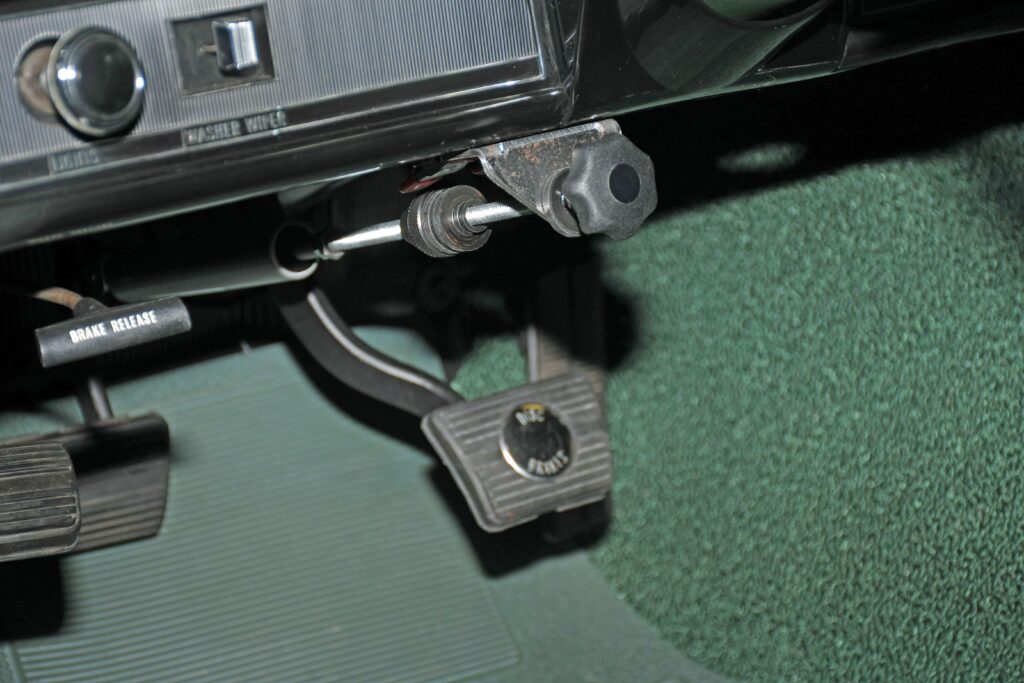
In terms of installation, the ClutchTamer is actually a very simple device. The example we’re illustrating (and also shown the last issue) is a conventional Muscle Car model. ClutchTamers are also available as direct fit applications for a number of cars such as Fox Mustangs, Mazda RX-7’s (ClutchTamer’s Grant Robbins actually developed a Chevy swap kit for those cars), SN 95 Mustangs along with a universal kit. With the universal and Muscle Car kits, a bracket mounts to the base of the dash. With some of the vehicle-specific applications, the bracket fits through a portion of the OEM dash. In either case, the bracket holds the control knob. It looks a lot like a hand choke knob. Another bracket is affixed to the clutch pedal. In between is the special adjustable hydraulic cylinder engineered by Robbins. It’s the secret behind the system.
According to Grant: “The small hydraulic cylinder takes much of the inconsistent human element out of precisely controlling your car's clutch pedal. It's adjustable for exactly where in the clutch pedal's travel it becomes active, and adjustable for rate of release from that point on. The cylinder has characteristics similar to those of a 90/10 shock: Pulling the rod out is easy -- only the return stroke of the cylinder is controlled. Because the ClutchTamer attaches to the clutch pedal itself, it works equally well on both hydraulic and mechanical clutch release systems/linkage.
“With our ClutchTamer installed, only the final part of clutch pedal's release is slowed down, not the whole release cycle, while the rest of the clutch pedal's travel works like normal. If you are using the clutch pedal during shifts, the slipper will soften drivetrain shock during the gear changes as well. Casual driving is not affected. There is no need to disconnect the ClutchTamer for daily driving.
“The ClutchTamer slip controller allows you to select a clutch with more capacity than you would normally choose. Typically that clutch would be too aggressive, but the addition of the first stage of the slip control provides the ability to apply only partial pressure initially, allowing slip. The second stage allows additional pressure to come in over-time to insure lockup farther down the track.
“The most surprising thing that you will realize with the ClutchTamer is how much more power you will be able to put down without breaking parts!” Grant goes on to explain the basics of the how the ClutchTamer functions:
“As the clutch pedal is depressed, it pulls the rod out of the attached ClutchTamer's cylinder. When the clutch pedal is released the pedal then returns completely unrestricted, until the point that the "initial hit" dial on the cylinder's extended rod contacts the dash bracket. From that point on, the rate of clutch pedal release is controlled by an adjustable orifice inside the cylinder. As the rod slowly retracts back into the cylinder, the rate of retraction is adjusted by simply spinning the cylinder's shaft "inward" (clockwise). We attach a knob to the end of the shaft to make the adjustment quick and easy.”
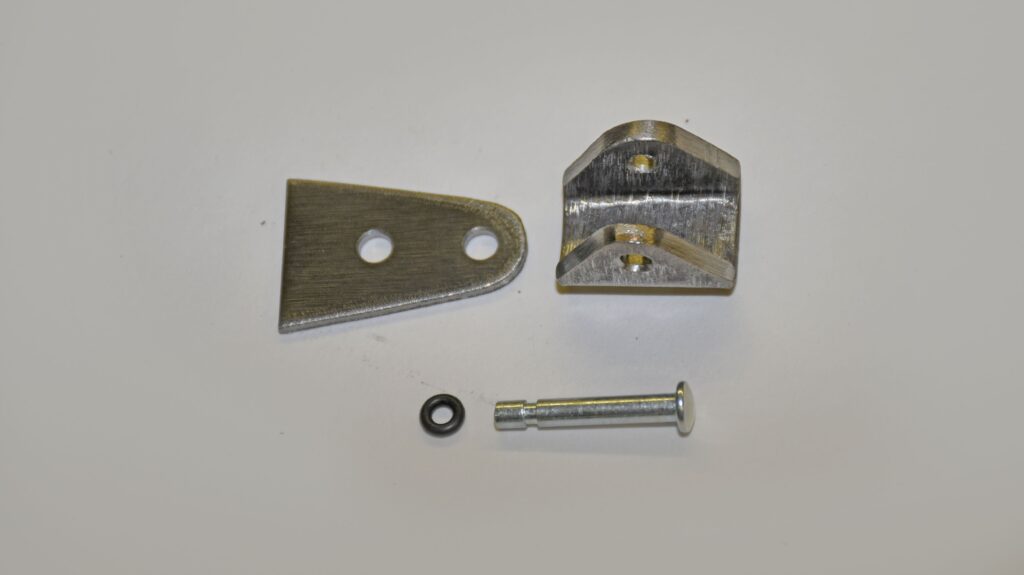
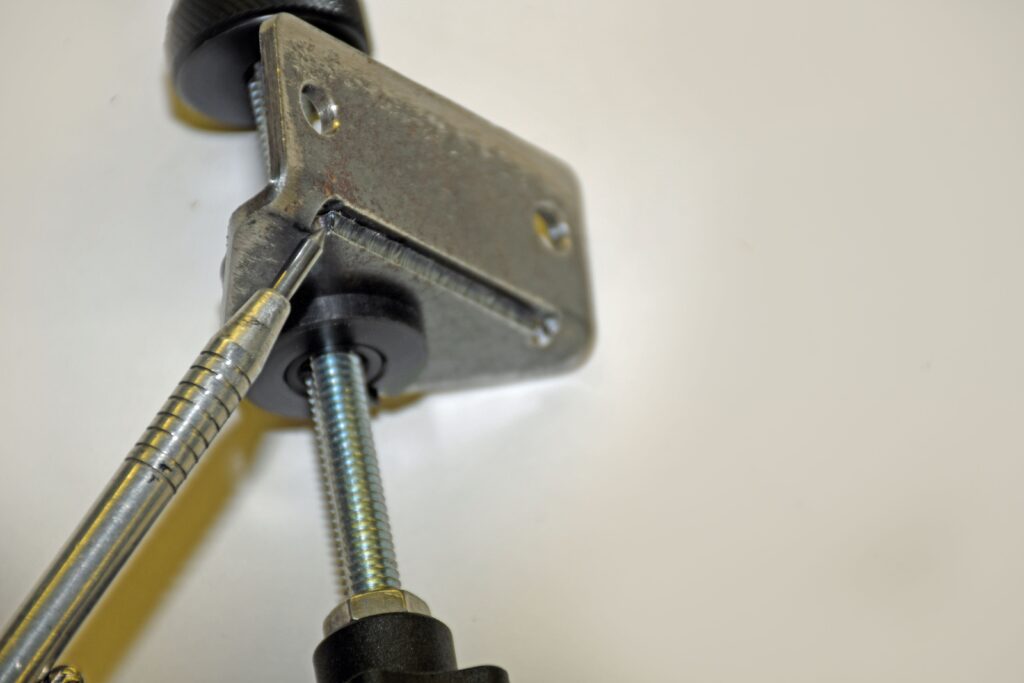
When it comes to basic adjustment, the ClutchTamer makes use of a simple dial type adjustment with an internal detent. The knob is typically located within easy reach of the driver's seat. In most applications, it’s possible to dial in more or less "initial hit" of the clutch without unbuckling from the belts. The dash adjuster dial assembly is designed with a notch milled into the threaded rod, while the inner "Initial Hit" dial incorporates a steel ball detent that is pre-loaded with a simple O-ring. This prevents the dial from free spinning.
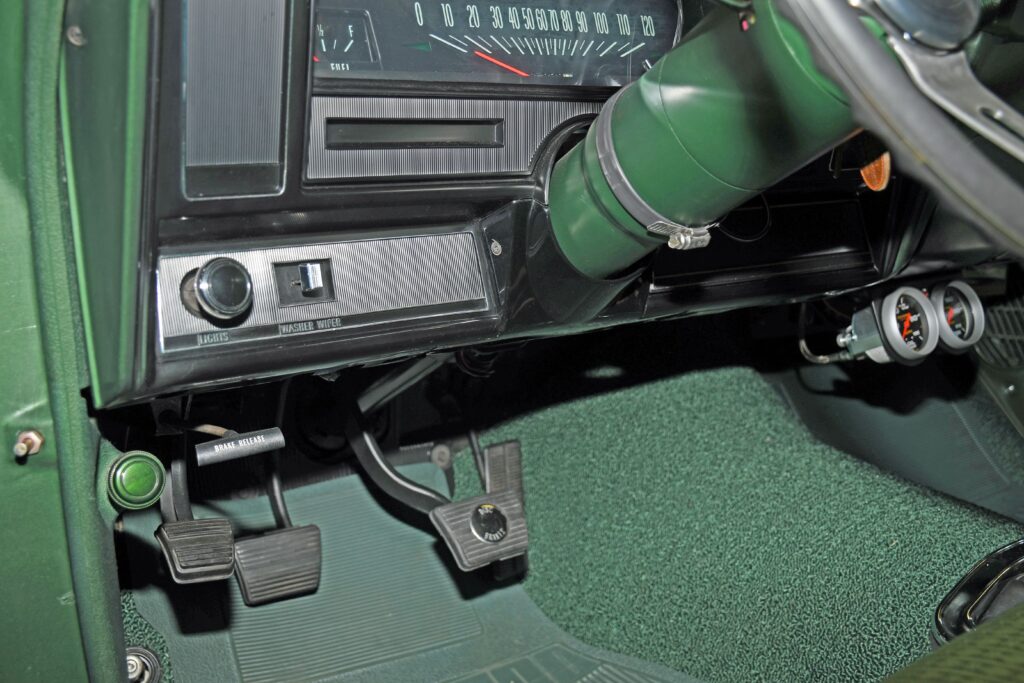
In the accompanying photos we’ll show you a ClutchTamer mock up in the writer’s Chevy Nova. Installation is similar for most cars. In the next issue, we’ll wrap up the series with some ideas for clutch tuning. You might be surprised at how sophisticated this simple device can really be.
ClutchTamer
Granny's
PO Box 814
Concrete, WA 98237 USA
PH: 360-391-1208
Website: www.clutchtamer.com
Click Here to Begin Slideshow
When we left you in the last issue, we explained the issues with campaigning a clutch-equipped street-strip car. For anyone who has been there, it can prove to be an excruciating experience. At the least, you’ll end up devoting quality time under the car either adjusting the clutch or fixing drivetrain parts. That’s where the ClutchTamer enters the equation. It’s a device that allows you to use a reliable, conventional clutch in the car without resorting to expensive aftermarket adjustable clutch assemblies. It also allows you to adjust the way a clutch reacts by simply turning a knob from the cockpit of the car. No more climbing under the car to make adjustments.
In terms of installation, the ClutchTamer is actually a very simple device. The example we’re illustrating (and also shown the last issue) is a conventional Muscle Car model. ClutchTamers are also available as direct fit applications for a number of cars such as Fox Mustangs, Mazda RX-7’s (ClutchTamer’s Grant Robbins actually developed a Chevy swap kit for those cars), SN 95 Mustangs along with a universal kit. With the universal and Muscle Car kits, a bracket mounts to the base of the dash. With some of the vehicle-specific applications, the bracket fits through a portion of the OEM dash. In either case, the bracket holds the control knob. It looks a lot like a hand choke knob. Another bracket is affixed to the clutch pedal. In between is the special adjustable hydraulic cylinder engineered by Robbins. It’s the secret behind the system.
According to Grant: “The small hydraulic cylinder takes much of the inconsistent human element out of precisely controlling your car's clutch pedal. It's adjustable for exactly where in the clutch pedal's travel it becomes active, and adjustable for rate of release from that point on. The cylinder has characteristics similar to those of a 90/10 shock: Pulling the rod out is easy -- only the return stroke of the cylinder is controlled. Because the ClutchTamer attaches to the clutch pedal itself, it works equally well on both hydraulic and mechanical clutch release systems/linkage.
“With our ClutchTamer installed, only the final part of clutch pedal's release is slowed down, not the whole release cycle, while the rest of the clutch pedal's travel works like normal. If you are using the clutch pedal during shifts, the slipper will soften drivetrain shock during the gear changes as well. Casual driving is not affected. There is no need to disconnect the ClutchTamer for daily driving.
“The ClutchTamer slip controller allows you to select a clutch with more capacity than you would normally choose. Typically that clutch would be too aggressive, but the addition of the first stage of the slip control provides the ability to apply only partial pressure initially, allowing slip. The second stage allows additional pressure to come in over-time to insure lockup farther down the track.
“The most surprising thing that you will realize with the ClutchTamer is how much more power you will be able to put down without breaking parts!” Grant goes on to explain the basics of the how the ClutchTamer functions:
“As the clutch pedal is depressed, it pulls the rod out of the attached ClutchTamer's cylinder. When the clutch pedal is released the pedal then returns completely unrestricted, until the point that the "initial hit" dial on the cylinder's extended rod contacts the dash bracket. From that point on, the rate of clutch pedal release is controlled by an adjustable orifice inside the cylinder. As the rod slowly retracts back into the cylinder, the rate of retraction is adjusted by simply spinning the cylinder's shaft "inward" (clockwise). We attach a knob to the end of the shaft to make the adjustment quick and easy.”
When it comes to basic adjustment, the ClutchTamer makes use of a simple dial type adjustment with an internal detent. The knob is typically located within easy reach of the driver's seat. In most applications, it’s possible to dial in more or less "initial hit" of the clutch without unbuckling from the belts. The dash adjuster dial assembly is designed with a notch milled into the threaded rod, while the inner "Initial Hit" dial incorporates a steel ball detent that is pre-loaded with a simple O-ring. This prevents the dial from free spinning.
In the accompanying photos we’ll show you a ClutchTamer mock up in the writer’s Chevy Nova. Installation is similar for most cars. In the next issue, we’ll wrap up the series with some ideas for clutch tuning. You might be surprised at how sophisticated this simple device can really be.
ClutchTamer
Granny's
PO Box 814
Concrete, WA 98237 USA
PH: 360-391-1208
Website: www.clutchtamer.com
Click Here to Begin Slideshow
Dang-it..Why didn’t I think of this?