




Installing the Heidts Pro G on a ’64-70 Mustang
You can do things to a solid axle rear-end suspension to make it handle better than stock.
You can do things to a solid axle rear-end suspension to make it handle better than stock.
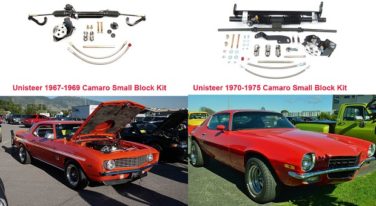
Welcome back! In this article, we’ll continue by flushing the power steering pump, if you have one, to get rid of all the old fluid and contaminants that can damage your new rack and pinion.
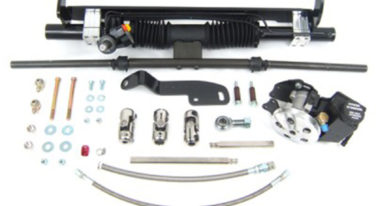
Mike Aguilar shows you how to install a rack and pinion conversion kit in your early F-body, in part 1 of this 2 part series.
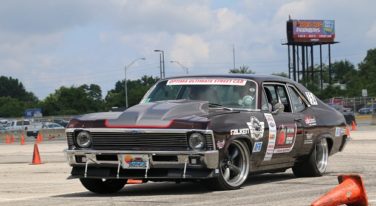
With pro touring machines getting more and more popular as time goes on, hot rodders are looking for reasonably-priced approaches to making their Camaro, Chevelle, or Mustang handle the abuse thrown at them by the autocross course of the race track.
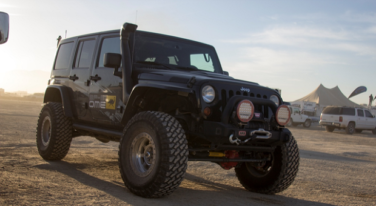
As our exploration of off-roading continues, we get into something that’s a little subjective. The body and chassis are two things the beginner should consider when building their rig.

The idea of owning a monster truck is extremely attractive. Before you start searching for one online, however, you may want to learn what makes a truck monstrous, because if you build it yourself, you can save literally thousands of dollars.
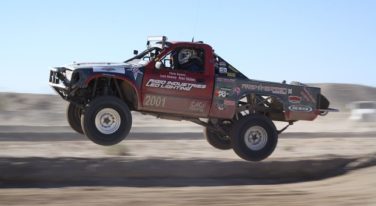
In the first part of this series, we discussed the very first thing an asphalt guy says makes an off-road rig. Now we talk about that second part that usually gets brought up: the suspension.

Having a vehicle that is capable of going off-roading means there are no limits anymore.
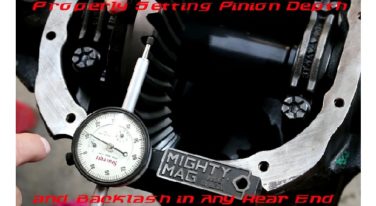
If you don’t set pinion depth and backlash, you’re most likely going to eat your new gears and end up having to go through the whole process again.
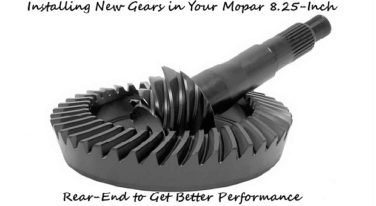
If you’re building any type of race car, you’re going to need to install better gears in the rear end. If the rear end is making lots of noise as you drive, you’re also going to need new gears.