










Braking Point: The Ancient Art Of Rebuilding Drum Brakes Part 1
Click Here to Begin Slideshow
Drum brakes – remember them? A few decades ago, they were the norm rather than the exception. And even when disc brakes made their debut, 99% of those cars had drums on the rear axle. Plenty had drums all the way around too. Certainly drum brakes weren’t (aren’t) perfect. Drums can fade. Drums are affected (adversely) by water. Plenty of them mandate periodic adjustment. The reality is, disc brakes are definitely superior when it comes to stopping power. They’re simpler too. For example, a typical set of drum brakes can have dozens of individual parts. And you have to deal with all them (correctly) in order for the brakes to function properly.
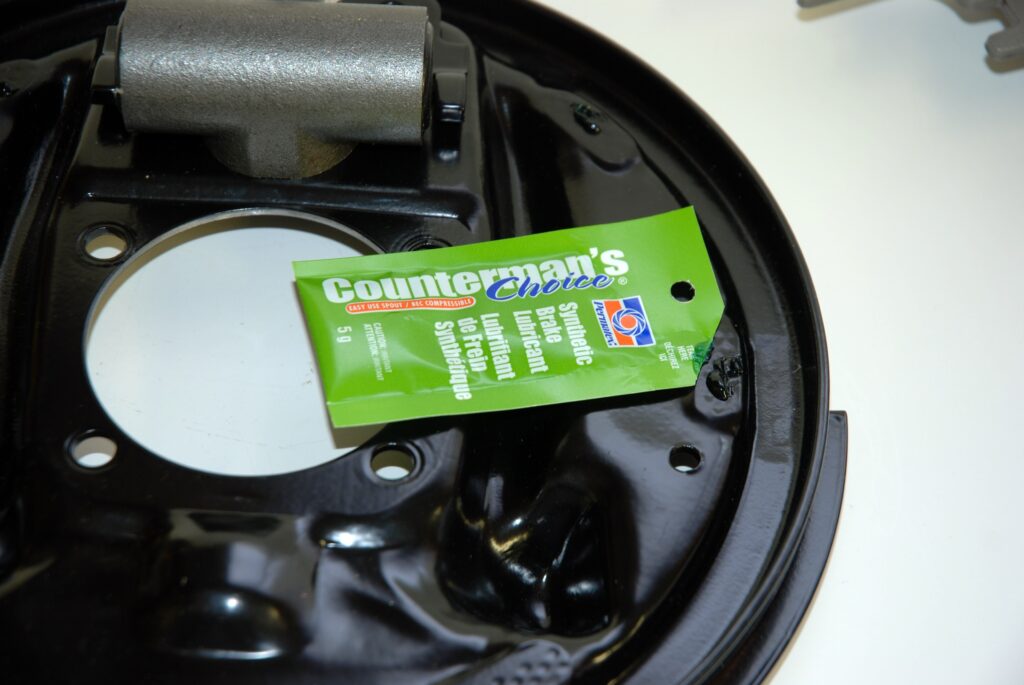
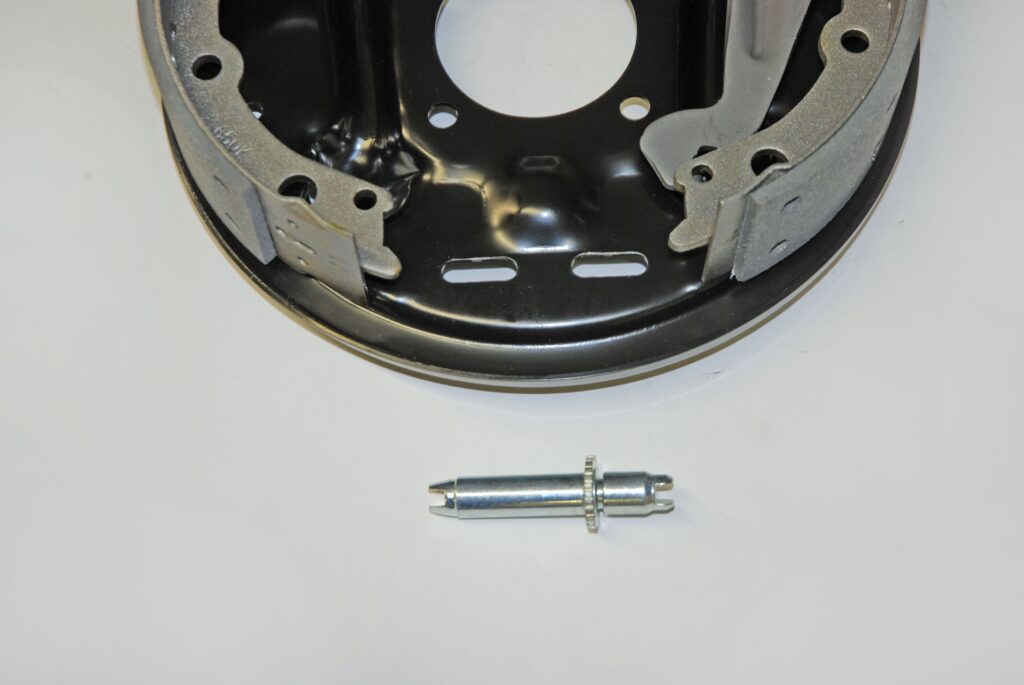
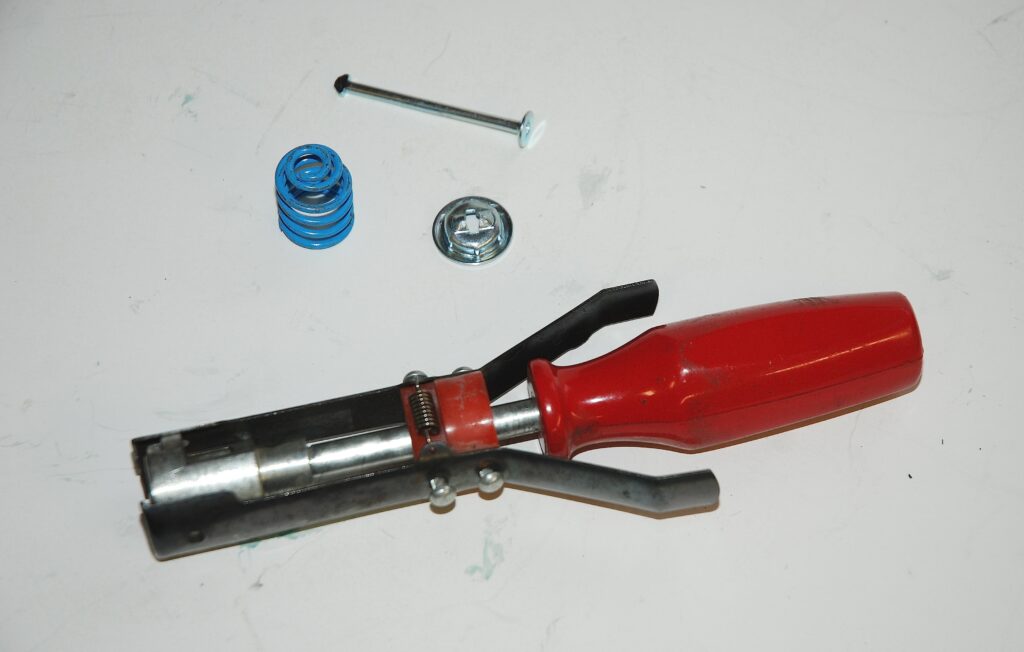
Fair enough. Swapping over to a complete set of disc brakes can be pretty easy (there are all sorts of options out there), but if your car is original and you want to keep it that way, there are some alternatives. You can purchase backing plates that are already “loaded”. But on the other hand, assembling a set of drum brakes really isn’t all that difficult. Honestly, there are quite a few parts involved and you’ll need a couple of special tools too but both the tools and the parts inexpensive and easy to source. Once the drums have been turned (by a brake shop, and where necessary) the task at hand really isn’t exactly difficult. The parts aren’t hard to find either. Your local jobber or online auto parts store most likely has everything you need in stock. For a closer look at how it’s done, check out the accompanying slide show (Part 1 – in a couple of weeks, Part 2 will follow):
Click Here to Begin Slideshow
Are you saying I’m old? HA HA