






![[Gallery] The Last Hot Rod Fall Out XX](https://www.racingjunk.com/news/wp-content/uploads/2026/04/DSC_8368-e1776446464704-376x206.jpg)



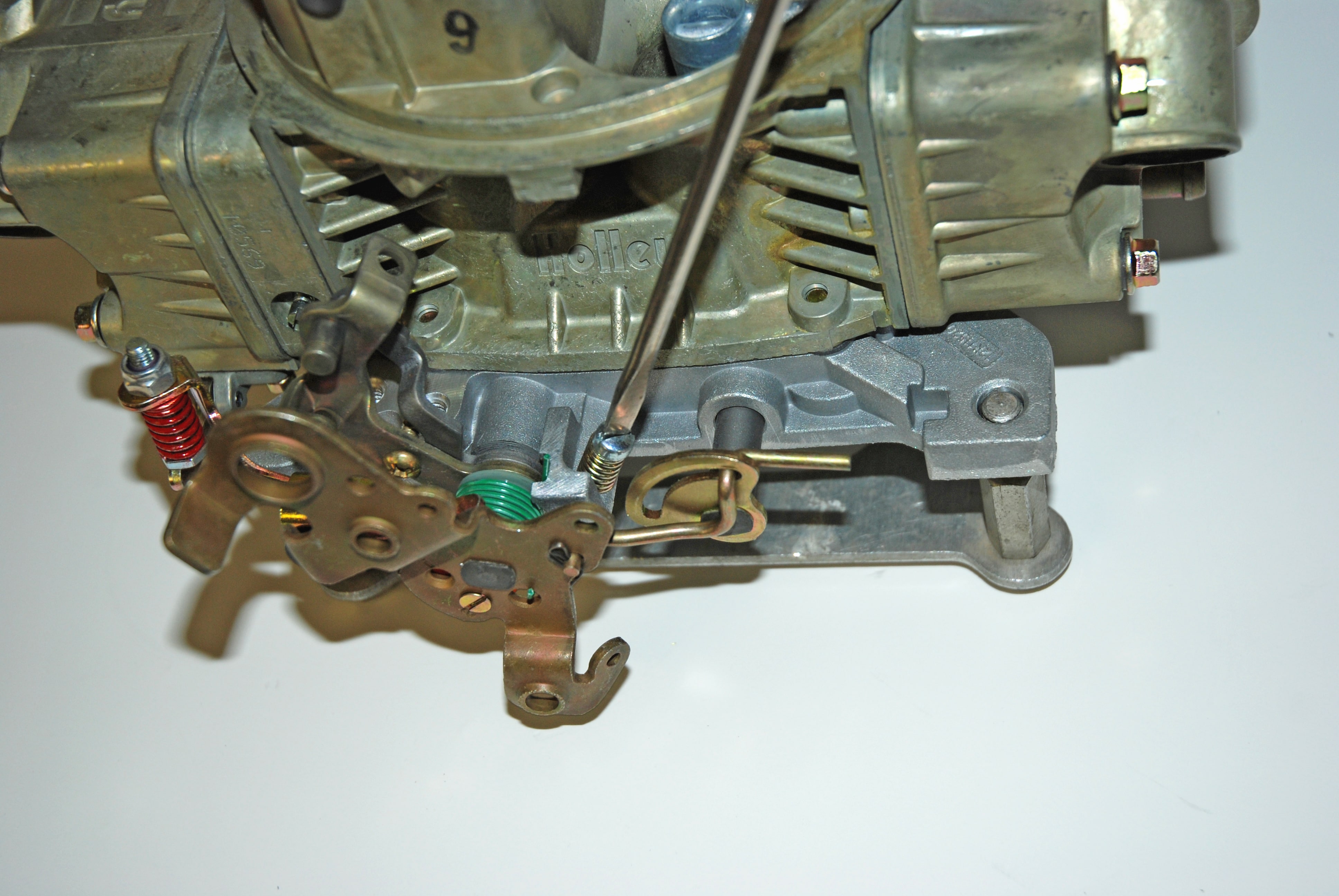
How to Set The Idle on Holley Carburetors
Click Here to Begin
In the high-performance world, Holley carburetors are likely the most common high-performance fuel mixing devices on the planet. Period. They came equipped as standard equipment on a multitude of high-performance cars from the Sixties and early Seventies. And this doesn’t take into account the plethora of hot rods and racecars retrofitted with Holleys over the years.
Given the consistent Detroit use along with the sheer numbers of carburetors retrofitted over the past decades, you know that they obviously work (and rather well). If there is a little fly in the ointment, it actually involves setting up the idle. Given the ease of adjustment in a Holley, some folks get it totally wrong, and from there, discount the entire carburetor.
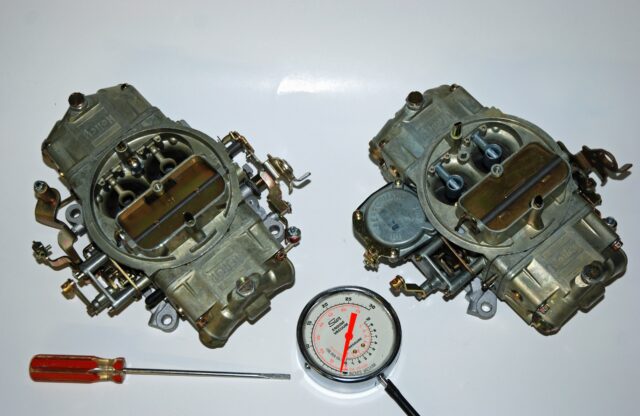
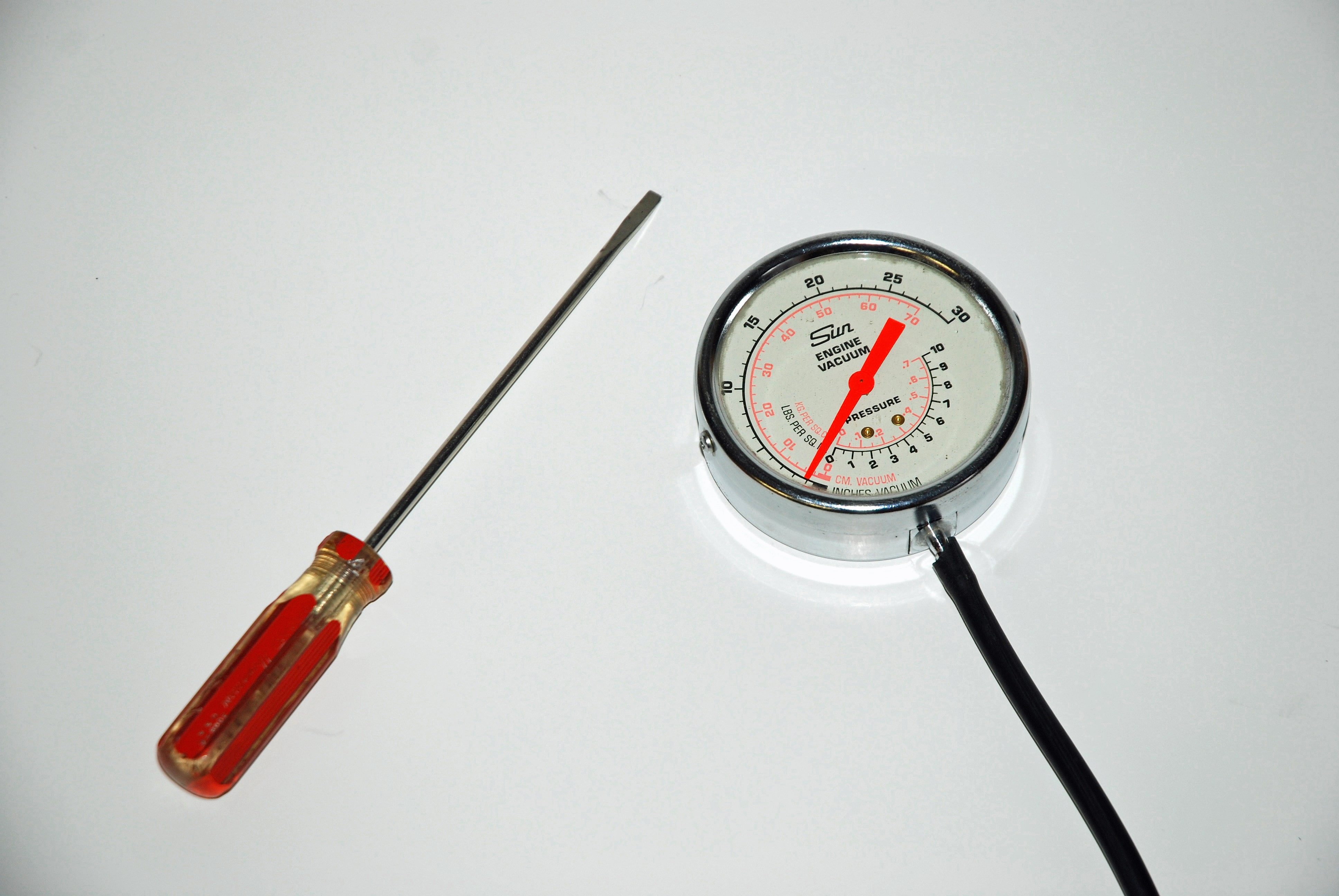
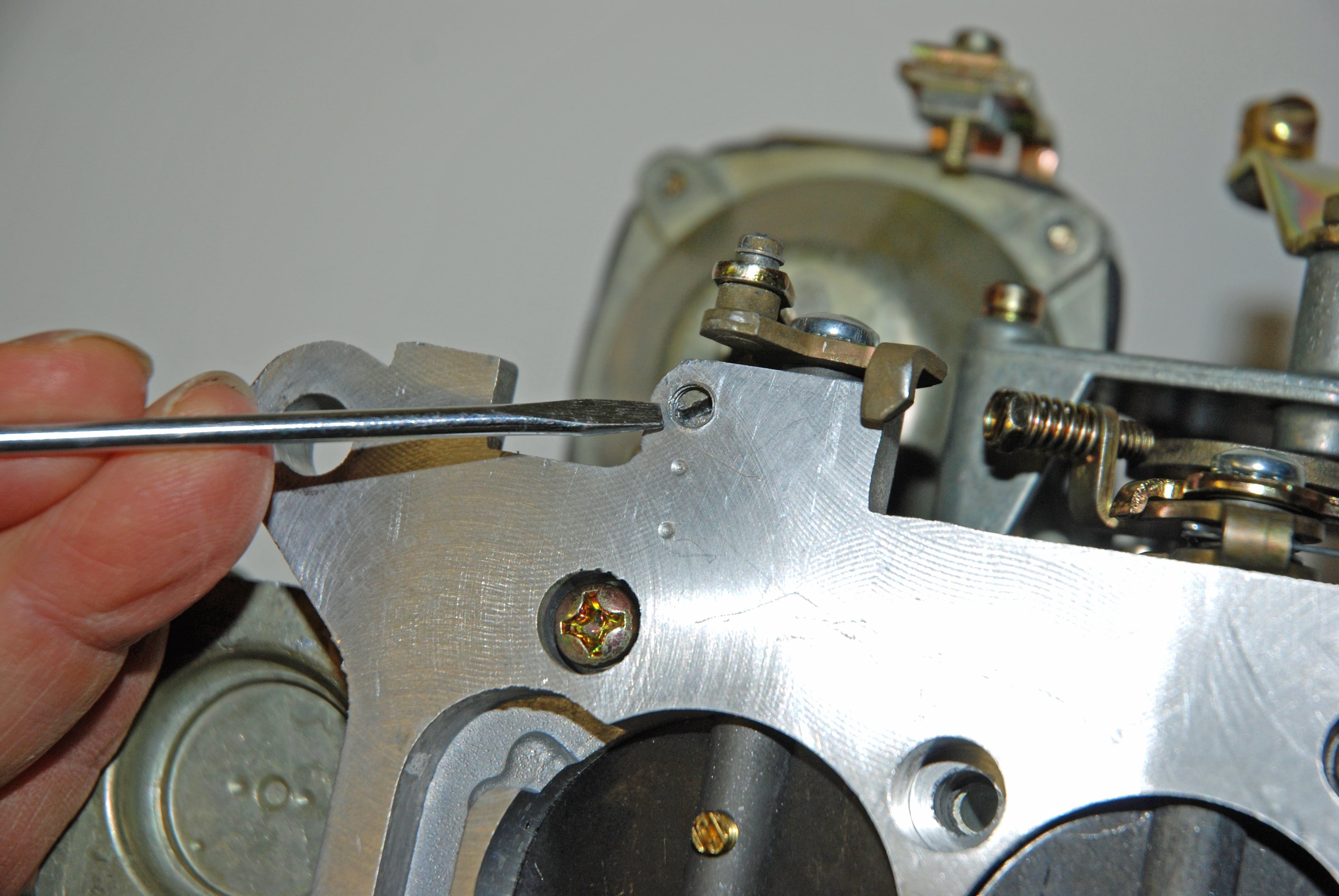
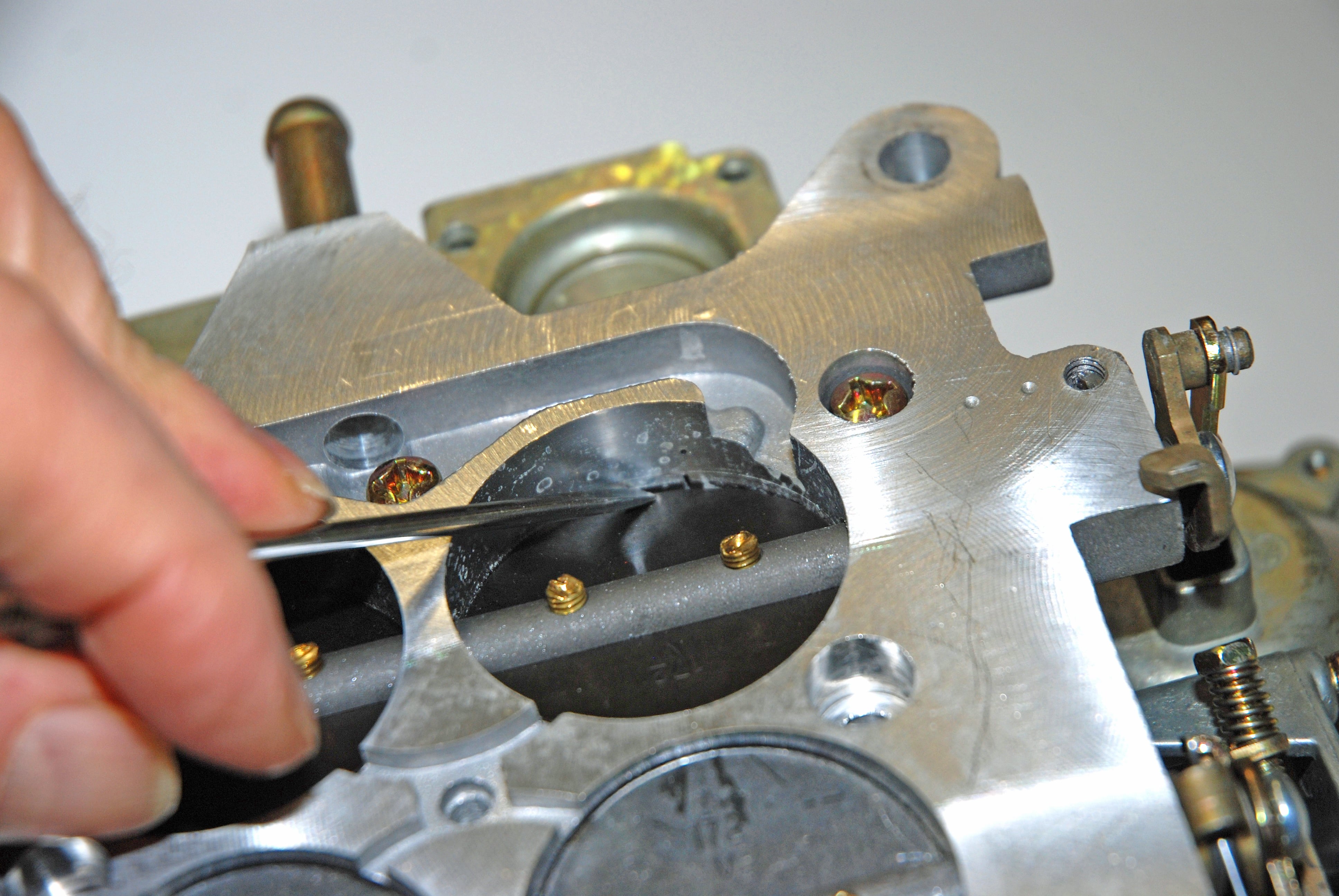
So which way do you turn the screws, and which screws do you turn? The basic idle setup of a Holley isn’t difficult. Everything can be accomplished at home, with (extremely) simple hand tools. For a closer look, check out the following. We’re using a very common vacuum secondary 3310 Holley along with a 4781 double pumper as the examples (and everything shown here applies to factory installed Holleys too). Please note that the latest Holley XP carbs incorporate an idle bypass arrangement, and adjustment is a bit different. For more on those carbs, point your browser HERE!
In the high-performance world, Holley carburetors are likely the most common high-performance fuel mixing devices on the planet. Period. They came equipped as standard equipment on a multitude of high-performance cars from the Sixties and early Seventies. And this doesn’t take into account the plethora of hot rods and racecars retrofitted with Holleys over the years.
Given the consistent Detroit use along with the sheer numbers of carburetors retrofitted over the past decades, you know that they obviously work (and rather well). If there is a little fly in the ointment, it actually involves setting up the idle. Given the ease of adjustment in a Holley, some folks get it totally wrong, and from there, discount the entire carburetor.
So which way do you turn the screws, and which screws do you turn? The basic idle setup of a Holley isn’t difficult. Everything can be accomplished at home, with (extremely) simple hand tools. For a closer look, check out the following. We’re using a very common vacuum secondary 3310 Holley along with a 4781 double pumper as the examples (and everything shown here applies to factory installed Holleys too). Please note that the latest Holley XP carbs incorporate an idle bypass arrangement, and adjustment is a bit different. For more on those carbs, point your browser HERE!
I suppose a Barry Grant Demon would set the same way?
Pretty much. I have an 850 Demon on my Cobra. The biggest difference is the 4-corner idle circuits, and the secondary idle scres is on top where it belongs, so you don’t have to remove the carb and guess at the adjustment.
I fell victim to this, a long time ago. I wound up drilling the smallest “recommended” holes in the throttle plate, one at a time. Largely solved the problem. Put the Primary throttle plate between the idle port and the transfer slot.
But in-elegant and probably unnecessary, if I had just addressed the 2dry throttle plate adj, first. The carb was a 650 VS on a mildly breathed upon 360 in a Ramcharger, very tight converter. Live and learn, however belatedly.
I learned a few years ago that Holley’s idle mixture fuel in part is delivered thru the secondary circuit.I have run holleys on my performance engines for years without giving it a thought until working on a old 1850 for my wrecker.and haveing trouble getting mixture right.like your article states many oem holleys were used and not just on performance cars. a 57 mercury with a 312 I had as a kid comes to mind. I am sure there were many others. that being said. assume one of those oem land yacht’s were to be sold to a little old lady that never even opened the primaries all the way, much less the secondaries, what would the gas in the secondary fuel bowl look like after about a year if a little were not consumed at a stop light.