



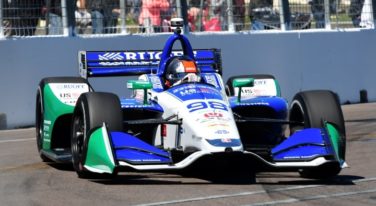
IndyCar’s New TV Deal
The “cat” pretty much came out of the bag last weekend with a tweet (from a staffer) stating ABC wouldn’t be conducting INDYCAR races after the 2018 season was completed.
The “cat” pretty much came out of the bag last weekend with a tweet (from a staffer) stating ABC wouldn’t be conducting INDYCAR races after the 2018 season was completed.
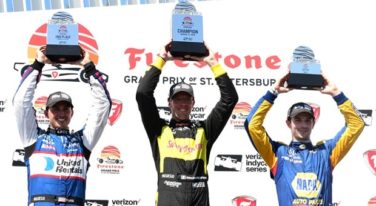
In many ways, Sunday’s Firestone Grand Prix of St Petersburg Verizon IndyCar Series season-starter was the portent of a new era. In other ways it was a reflection of the open-wheel category’s past and present.
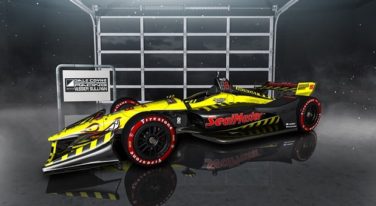
The first Monday of February, an announcement heralded a new partnership for the IndyCar series: Dale Coyne Racing with Vasser-Sullivan will compete in the series with four-time champion Sebastien Bourdais, securing primary sponsorship from leading pavement sealer company SealMaster.

Following the deaths of INDYCAR standout Justin Wilson and Formula One racer Jules Bianchi, the offered solutions to the once-in-a-lifetime issue were many and varied. F1 is going with a halo device over the cockpit; INDYCAR is checking out a large windscreen next week at ISM Raceway.

It never fails to amuse when sanctioning bodies change their rules, apparently at will. INDYCAR, much like NASCAR, seems to revel in making changes.

The upcoming 17-race Verizon IndyCar Series season will have a new look for its 2018 campaign.

The Verizon IndyCar Series has opted to get away from its three years of manufacturer designed and constructed aero kits to revert to a universal aero kit for the 2018 season and beyond.
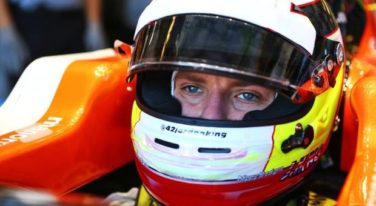
Ed Carpenter Racing (ECR) is an anomaly in the Verizon IndyCar Series.
INDYCAR has a few reasons to celebrate the 2017 holiday season.

We’re inundated with regular arguments about the value of downforce in Indycar racing, but only on rare occasions is much technical insight presented, and often it’s very theoretical.