Installs, modifications, how-to guides and tech tips for drag race vehicles and engines including LS engine swaps and LS engine mods, small block info, carburetor adjustments, EFI, brakes, shocks, struts, chassis, frame, tires, wheels and all of the types of adjustments that can be made to a drag vehicle to either get it to the strip and increase performance once its there. This also includes guides to NHRA race classes and NHRA rules.
The fluids you put in your vehicle – whether your daily driver or dragster – can make a huge difference in performance and longevity. Recently, The Burnout had a chance to sit down with some engineers from Mobil 1 and talk about low viscosity motor oils.
Drag Race 101: Tuning Tips for the Drag Strip Part II. Tips for getting more fuel to the engine via the carb now that you have more air circulation and the ignition installed.
In Part I we looked at wheel weights. And while weight is critical, something else is hugely important for wheel performance – wheel offset. The industry is filled with virtually any combination of wheels with specific standard or custom backspace dimensions. So what’s right for your car?
Drag Race 101: Tuning Tips for the Drag Strip Part II. Now that we’ve got your strip burner engine breathing properly, we need to work on the ignition system so that it can help deliver maximum power output.
When you need new (quality) axles, how do you measure for them? While it sounds simple enough, more than one person has made a critical error when it came to axle dimensions. And in most cases, once you have them, you have them. But we have a foolproof method for measuring for axles.
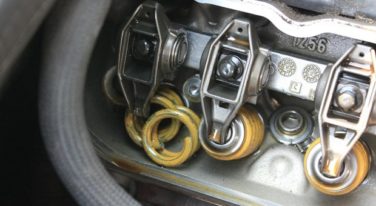
Drag Race 101: Valve Springs Primer. Valve springs are probably the most overlooked part of the valve train when building an engine, whether it’s a daily driver econo-car or a full-blown race car.