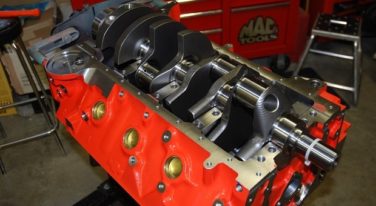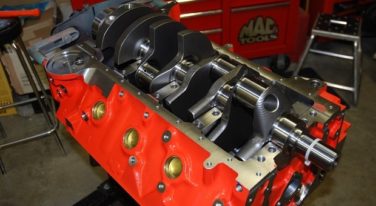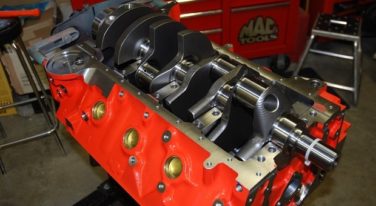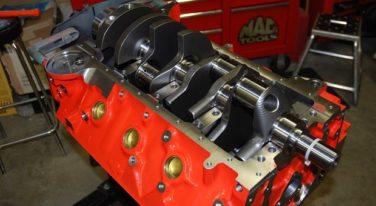

Crankshafts Part 4
This time around, we’ll wrap it up with an investigation into balancing.
We’ll finish our look at journals and then examine polishing, chamfering and cross drilling.
This issue, we’ll examine billet crankshafts along with tech on journals and counterweights for all crankshafts (billet and otherwise).
Crankshafts are critical. But the reality is, there is so much to know about crankshafts and so much choice out there (and so many different potential engine combinations), it’s often difficult to figure out where to start.
The cylinder heads on your engine are designed to seal the combustion chambers and move gases from one side (intake) to the other (exhaust).
The engine in a Stocker is very important, but in most cases, these engines are actually “stocker” than you might think.
No one likes a car that overheats. That’s a no brainer. But when it comes to cooling you absolutely must first figure out a way to bring the air to the radiator.
While GM has stuck with the OHV engine in their High-Performance V8s, Ford has continued to push multiple valves in their latest and greatest Coyotes. So, why does GM go with only two valves while Ford goes with four?
Scott Garven and his dad are rebuilding a ’67 Chevy Camaro, and outlining the steps for the rebuild. Part 3 looks at the wiring in the engine bay.
Even if you are well versed in the forced air world, you’re probably wondering just what on earth Chrysler’s “SRT Power Chiller” is and how exactly it works.