



Gear Bangers Part I
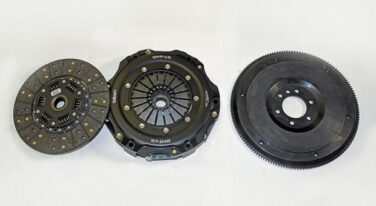
Getting the right clutch setup for a street-strip car isn’t exactly easy.
Getting the right clutch setup for a street-strip car isn’t exactly easy.
We salute all the weekend warriors that spent countless nights and busted knuckles building projects in their garage. But before we dive into the new year, let’s take a look back at RacingJunk’s Top 10 How To Articles of 2019.
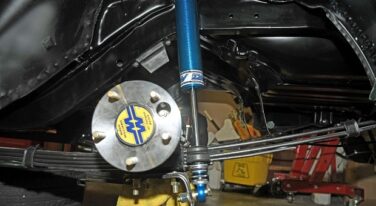
This time around, we’ll examine AFCO’s coil-over conversion kits for vintage GM cars and also provide you with some firsthand info on how to make the shocks fit.
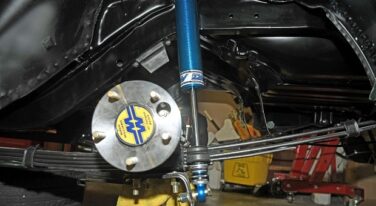
If you’re a seasoned racer, you know the crushing feeling when the oil pan and the headers become flattened.
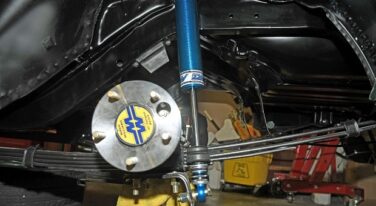
Double adjustable shocks such as the AFCO permit you to fine tune the valving requirements externally. The following is a look, up close, at how the shocks work and how they’re adjusted.
![[Video] How to Pressure Test AN Hoses](https://www.racingjunk.com/news/wp-content/uploads/2019/12/Untitled-376x206.png)
In this video, Wayne Scraba shows you how to test braided AN (aircraft style) hoses and lines for leaks.
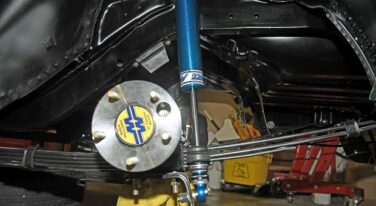
There is a simple truth in making a fast street car or any other small tire car work on the drag strip: Shock absorbers are the key.

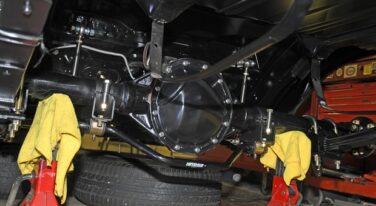
Pinion angle should be checked and adjusted any time there are changes made to the chassis that have an effect upon the ride height of the car or the length and location of the suspension link bars.

Correct pinion angle isn’t only important to a drag racer; it’s also very important in other forms of motorsports, along with any number of street vehicle applications.
With this issue, let’s start from the top and take a short look at real, high-quality racing rod ends. They’re the heart of the system.