




![[Gallery] Colchester on the Green](https://www.racingjunk.com/news/wp-content/uploads/2026/02/DSC_7044-376x206.jpg)


Reworking a Stock Distributor to Trigger MSD Ignition Systems Part 2
Click Here to Begin Slideshow
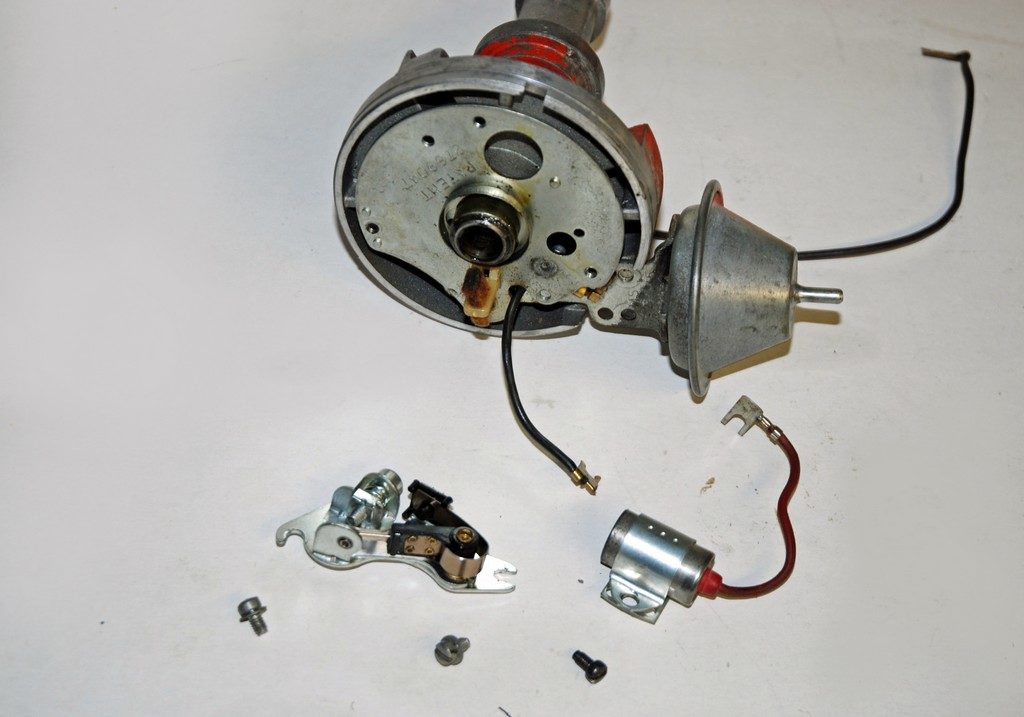
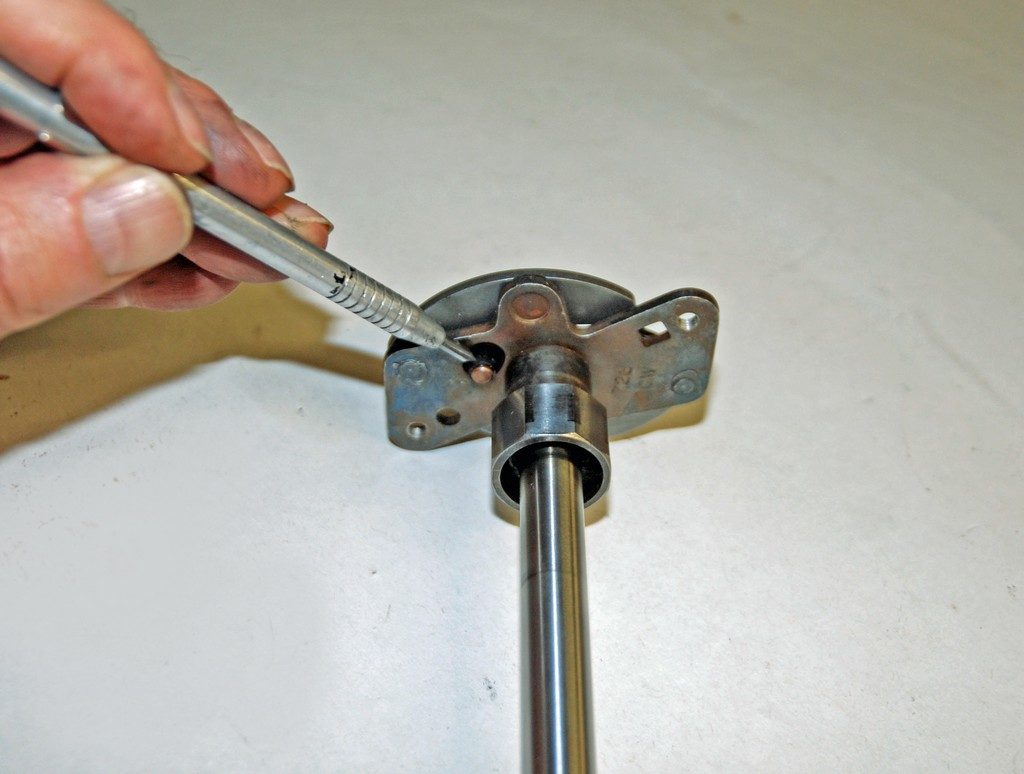
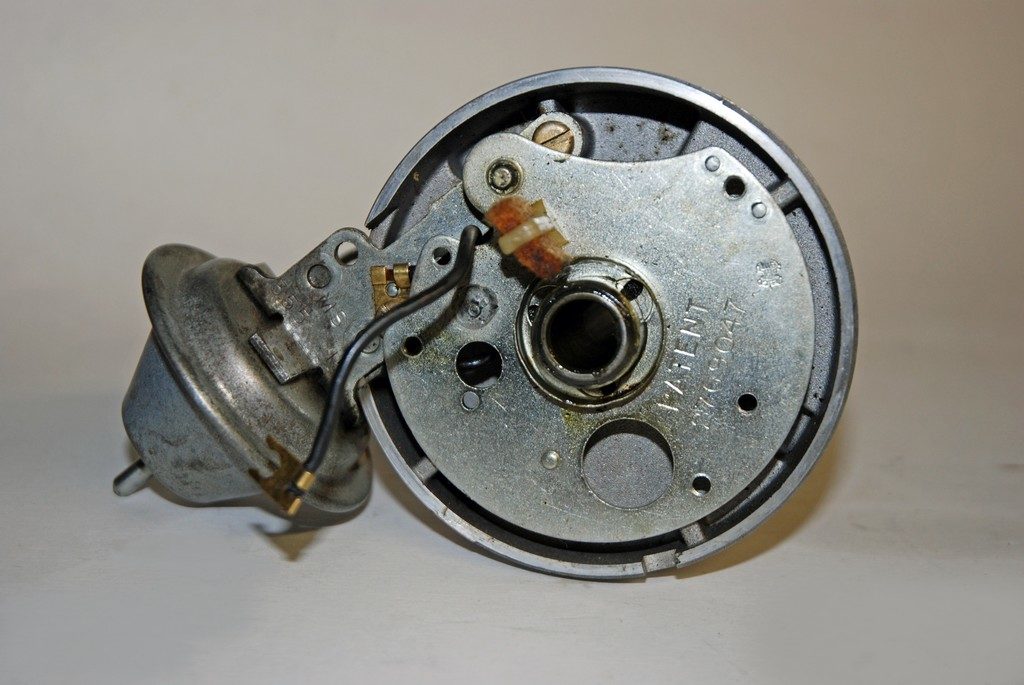
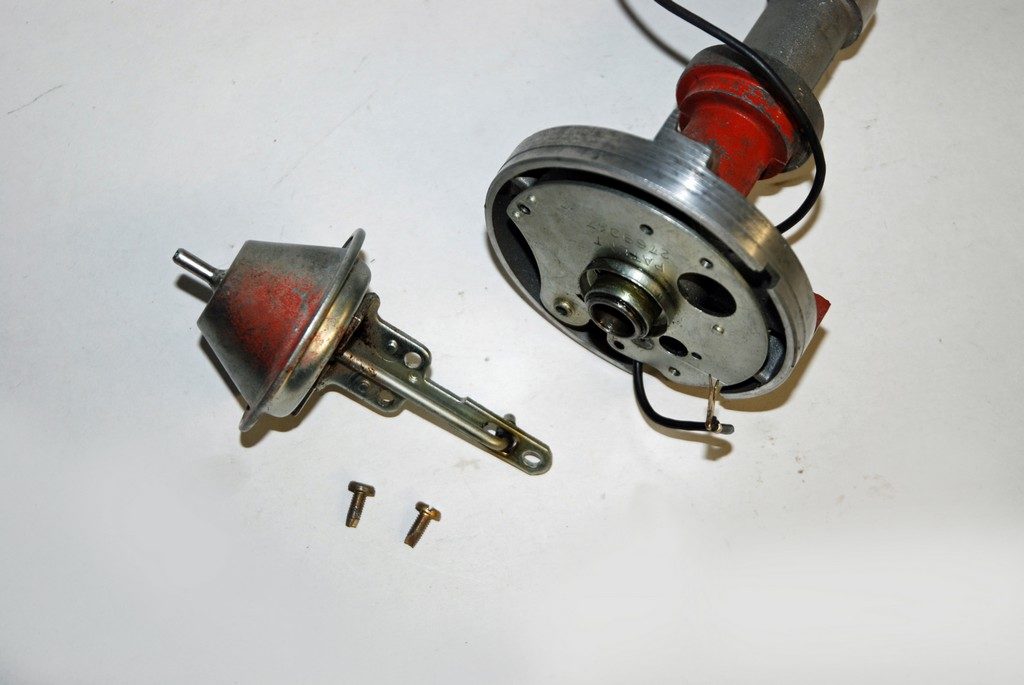
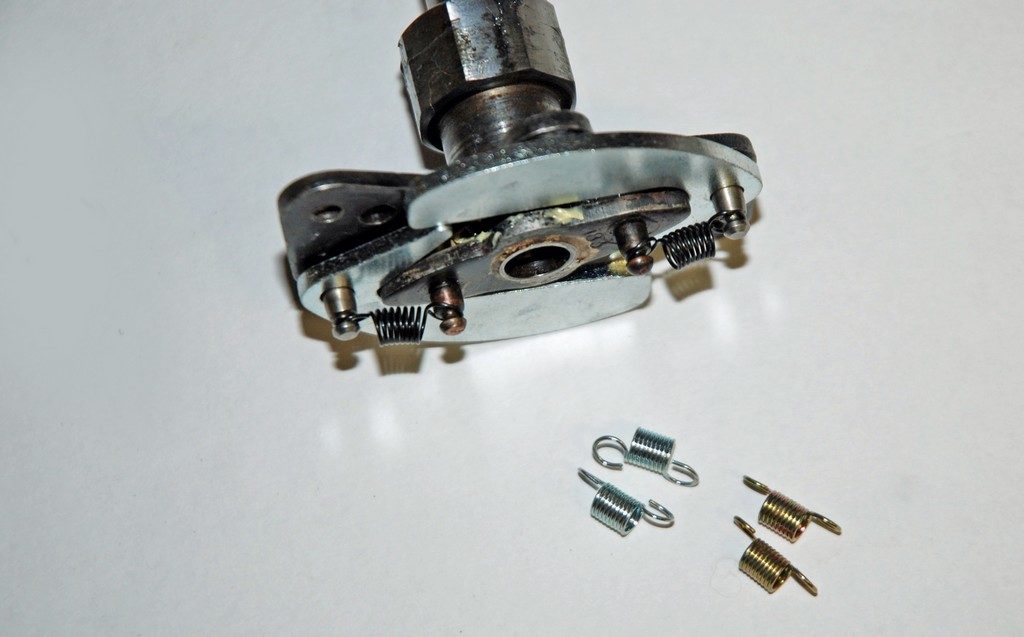
With this segment in our series, we’ll finish stripping the distributor and then we’ll go to work on the mechanical advance system. When it comes to ignition advance, every combination will require a different rate of advance along with varying amounts of vacuum advance (which we’ll get into in the next segment of the series). Yes, you can use a distributor machine to set it up, but it won’t tell you what the car wants.
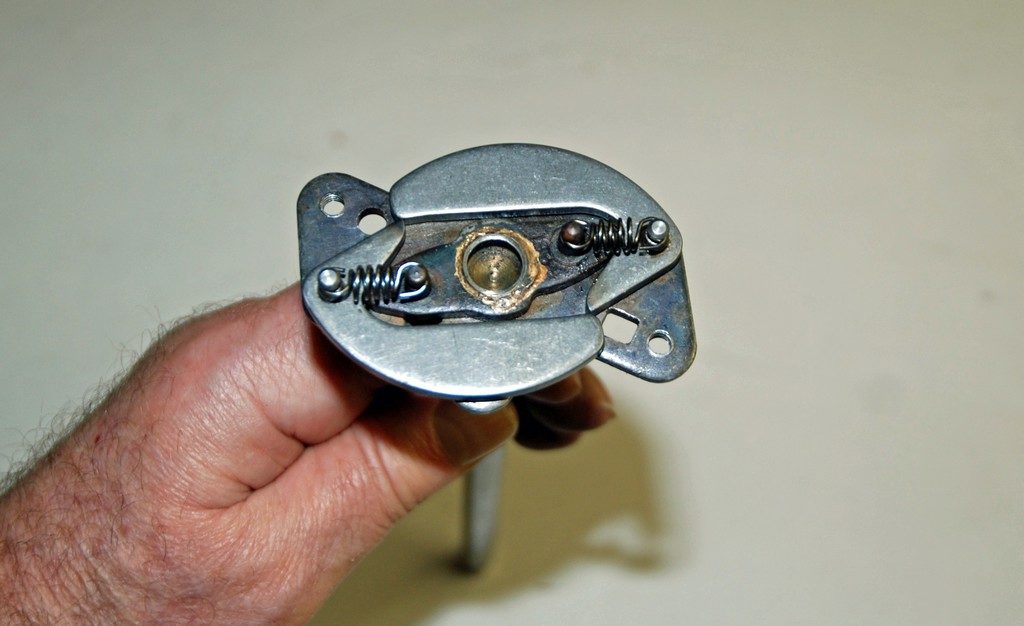
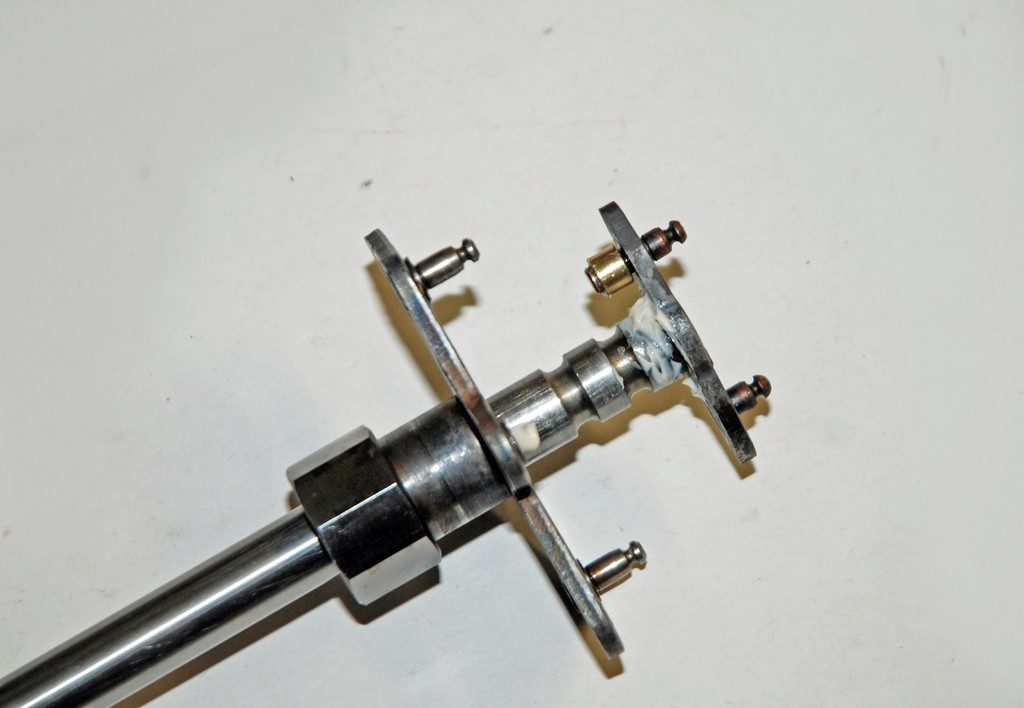
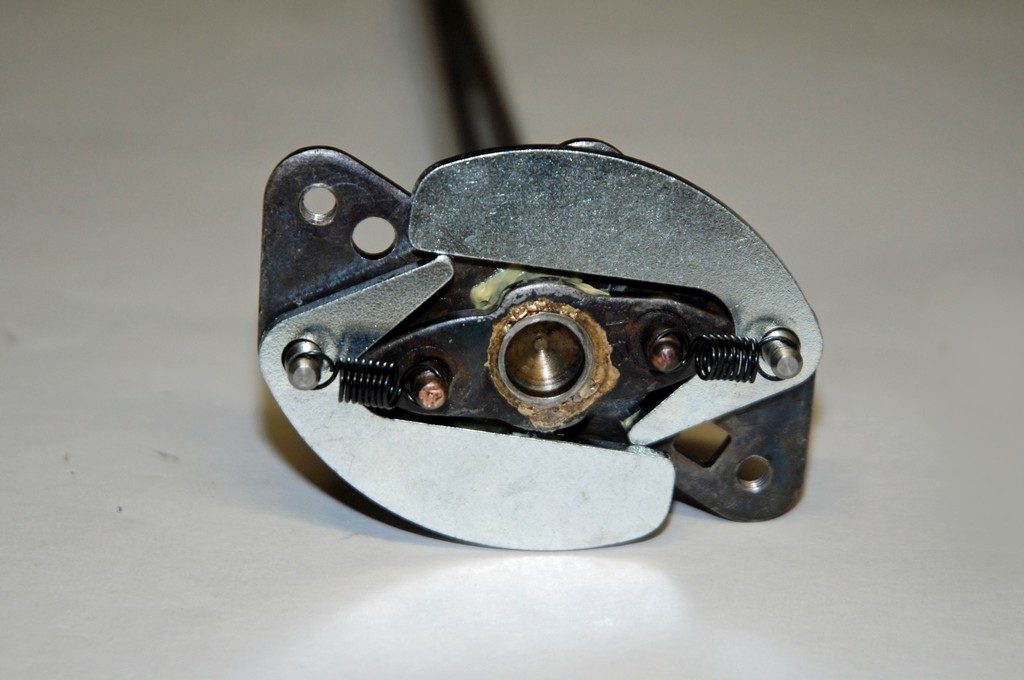
The centrifugal advance system is designed so that it advances spark timing as a function of engine speed; it senses nothing and it all works mechanically. The amount of advance and the rate at which it comes is completely determined by the weights and springs inside the distributor. Typically, cars with automatics “like” a quicker, shorter advance curve when compared to stick shift combinations. And compression ratio, your elevation above sea level and the quality of gas will definitely have an impact upon just how much (or little) advance your engine will tolerate.
Total timing is the amount of static timing added to the amount of mechanical timing. For something like a traditional small block Chevy, the “total” is often in the range of 35-38-degrees.
It is very possible to set up an advance curve without a distributor machine. All you need is a timing light, a reliable tachometer and a harmonic damper that’s either fully degreed or fitted with a timing tape. You simply use the timing light to check where you’re at when different springs (and weights) are installed in the distributor. The timing light and tach will show where (the RPM at which) the curve comes in and how much the distributor is advancing in terms of degrees. Keep in mind this has to be done with the vacuum advance system blocked off. Once you have what appears to be a good curve combination, lock down the distributor and test drive the car. What you’re searching for is curve that provides the best performance for your car without pinging or surging. More on this next issue.
Before we go any further we should consider lean and rich carburetor conditions. Typically, lean air/fuel ratio mixtures are found at idle and at steady highway cruise speeds. These lean air/fuel ratio mixtures take longer to burn than rich mixtures (idle is the most common because the idle mixture is affected by valve overlap – typically, the bigger the cam, the larger the duration, the bigger the overlap, the more exhaust gas dilution the engine will see). To overcome this lean mixture situation, there’s a need to fire the spark earlier in the compression cycle (translated: more ignition advance is required). This allows for more burn time within the combustion chamber, and the result is maximum cylinder pressure is reached just after top dead center. Because of this, the engine becomes more efficient and the exhaust gas temperature is reduced. Fair enough, but we also know that rich air/fuel ratio mixtures burn faster than lean mixtures (no secret to anyone, we’re sure). With a rich mix, the timing should be retarded a bit. That’s why high retards work well in some applications and this is where, in a street car application, a vacuum advance system is advantageous. Next issue, we’ll look at how the vacuum advance works and how to fit an adjustable system to your car. Watch for it.
With this segment in our series, we’ll finish stripping the distributor and then we’ll go to work on the mechanical advance system. When it comes to ignition advance, every combination will require a different rate of advance along with varying amounts of vacuum advance (which we’ll get into in the next segment of the series). Yes, you can use a distributor machine to set it up, but it won’t tell you what the car wants.
The centrifugal advance system is designed so that it advances spark timing as a function of engine speed; it senses nothing and it all works mechanically. The amount of advance and the rate at which it comes is completely determined by the weights and springs inside the distributor. Typically, cars with automatics “like” a quicker, shorter advance curve when compared to stick shift combinations. And compression ratio, your elevation above sea level and the quality of gas will definitely have an impact upon just how much (or little) advance your engine will tolerate.
Total timing is the amount of static timing added to the amount of mechanical timing. For something like a traditional small block Chevy, the “total” is often in the range of 35-38-degrees.
It is very possible to set up an advance curve without a distributor machine. All you need is a timing light, a reliable tachometer and a harmonic damper that’s either fully degreed or fitted with a timing tape. You simply use the timing light to check where you’re at when different springs (and weights) are installed in the distributor. The timing light and tach will show where (the RPM at which) the curve comes in and how much the distributor is advancing in terms of degrees. Keep in mind this has to be done with the vacuum advance system blocked off. Once you have what appears to be a good curve combination, lock down the distributor and test drive the car. What you’re searching for is curve that provides the best performance for your car without pinging or surging. More on this next issue.
Before we go any further we should consider lean and rich carburetor conditions. Typically, lean air/fuel ratio mixtures are found at idle and at steady highway cruise speeds. These lean air/fuel ratio mixtures take longer to burn than rich mixtures (idle is the most common because the idle mixture is affected by valve overlap – typically, the bigger the cam, the larger the duration, the bigger the overlap, the more exhaust gas dilution the engine will see). To overcome this lean mixture situation, there’s a need to fire the spark earlier in the compression cycle (translated: more ignition advance is required). This allows for more burn time within the combustion chamber, and the result is maximum cylinder pressure is reached just after top dead center. Because of this, the engine becomes more efficient and the exhaust gas temperature is reduced. Fair enough, but we also know that rich air/fuel ratio mixtures burn faster than lean mixtures (no secret to anyone, we’re sure). With a rich mix, the timing should be retarded a bit. That’s why high retards work well in some applications and this is where, in a street car application, a vacuum advance system is advantageous. Next issue, we’ll look at how the vacuum advance works and how to fit an adjustable system to your car. Watch for it.
Leave a Reply