




![[Gallery] Mecum Kissimmee Auction 2026](https://www.racingjunk.com/news/wp-content/uploads/2026/03/DSC_0717-e1774629242515-376x206.jpg)
![[Gallery] Cruisin’ One Daytona](https://www.racingjunk.com/news/wp-content/uploads/2026/03/DSC_0538-e1774027057404-376x206.jpg)




Inside Smith Racecraft’s Advanced Hi-Tech Assassin Traction Bar, Part 1
Click Here to Begin Slideshow
Bolt-on leaf spring traction devices have been around for what seems like forever. There have been plenty of different traction bar arrangements built and manufactured over the years. Some were good. Some were not so good. Fair enough, but time doesn’t stand still, either.
First let’s spin the clock back sixty or so years: The bar of choice was the round tube Traction Master. It had a mount that was affixed to the bottom of the leaf spring (at the axle tube), with a section of tubing that stretched forward to the front spring eye. From there, though, the front bracket had to be welded to the chassis. They couldn’t be tuned.
The next innovation was the slapper bar. Several manufacturers built (and some still build) them. Most know what these are – they’re a square tube or rectangular bar that replaced the lower spring perch. From there, the bar tubing reached forward with a rubber snubber that (initially) came in contact with the spring just aft of the forward eye. They used a special “J” bolt that helped anchor the bar to the rear axle housing. Tuning consisted of cutting the rubber snubber or shimming it upward. You could also tune the bars with spring wedges in order to alter the pinion angle. Racers soon found that the bars worked better when they were stretched a bit on the nose so that the snubber actually made contact with the spring eye. Manufacturers of some of the later examples claim their models are physically longer and actually make contact with the eye.
Today, slapper bars are still in use. They work reasonably well, but you really don’t have a lot of tuning options. We should also point out that by the mid-seventies, everyone wanted slapper bars. The manufacturers paid attention and, as a result, there were all sorts of inexpensive examples on the market that really didn’t work. Some were even chrome plated. Consider them cosmetic. Some bolt-on ladder bars surfaced at about the same time. They simply didn’t work because with the configuration, it was difficult to absorb and control the forces present when big power was applied. Place them in the cosmetic file too.
Next up came the C-E Slide-A-Link bar. Here, the design is such that it bolts on to the housing like a slapper bar. At the front of the spring, a pivot point is added. A pivot point mount plate installs inside the front leaf spring pocket and clamps down on the leaf spring. In between is a sliding link. The system works much like the original Traction Master, but the actual traction “tube” can’t bind because the sliding link allows it to move fore and aft. Essentially, what this does is allow the front segment of the spring to remain stiff under power (much like an old Mopar Super Stock spring). They offer limited adjustment: Free travel and pre-load adjustments are made on the vehicle by adjusting the jackscrew at the rear of the bar.
In roughly the same time span as the sliding link bar, a unique traction bar came out of California (CalTrac). We’ve discussed them at length in the past, but the basics are that it too has a rear mount that replaces the lower rear spring perch. It then incorporates a section of round tubing that goes forward to the front section of the leaf spring. From here, a rocker mount (anchored to the forward spring eye) works an actual rocker assembly containing a large roller. That roller clamps down on the front segment of the spring as power is applied, which in turn applies force to the top of the leaf spring. The bars are pre-load adjustable (by shortening or lengthening the tubular link) and in some configurations, they have two positions that allow for moving the front of the bar up or down.
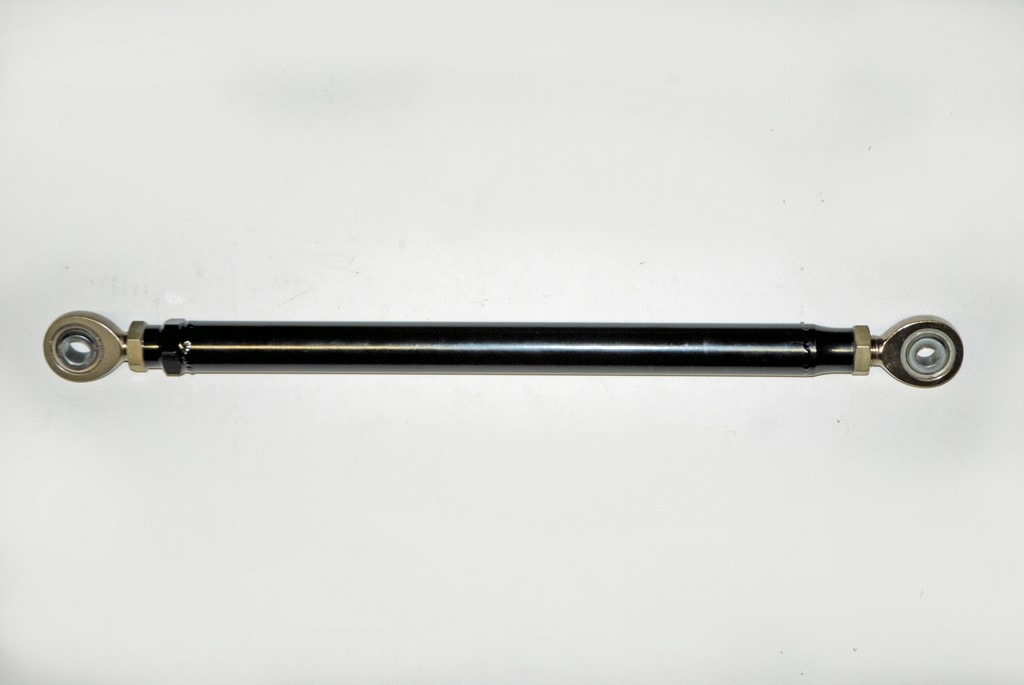
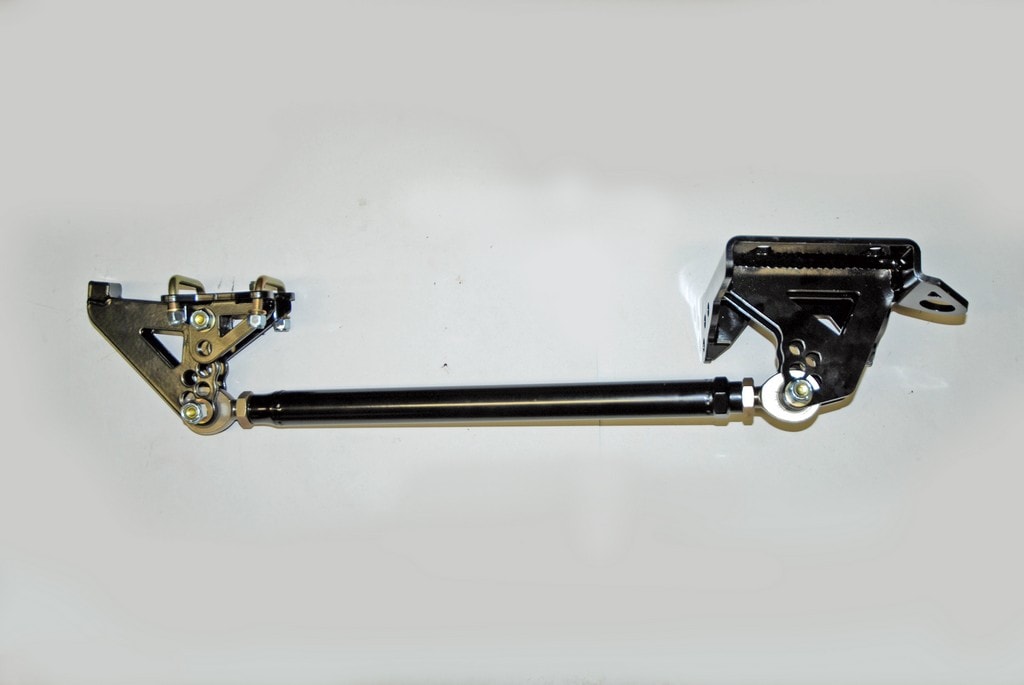
As you can see, traction bar technology moved forward (sometimes at a snail’s pace, but forward nonetheless). Some of the bars had (and some cases, still have) limited adjustment and, to be perfectly honest, some have earned a reputation as spring breakers. The latest (and perhaps biggest) move forward in bolt-on traction bar technology is the Smith Racecraft Assassin. It doesn’t have any of the negatives of the other bars and it has a ton of positives. What it is, is the most adjustable bolt-on bar in the business. It’s also an extremely high quality bar that incorporates a unique adjustable rocker that directly contacts the front spring eye (more on this later in the series).
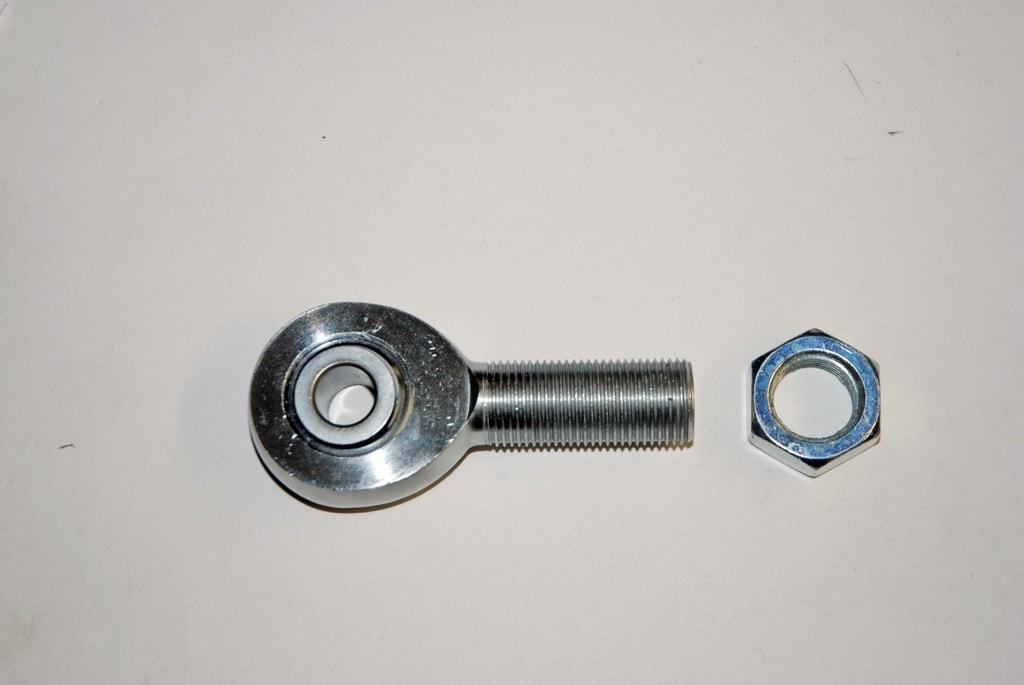
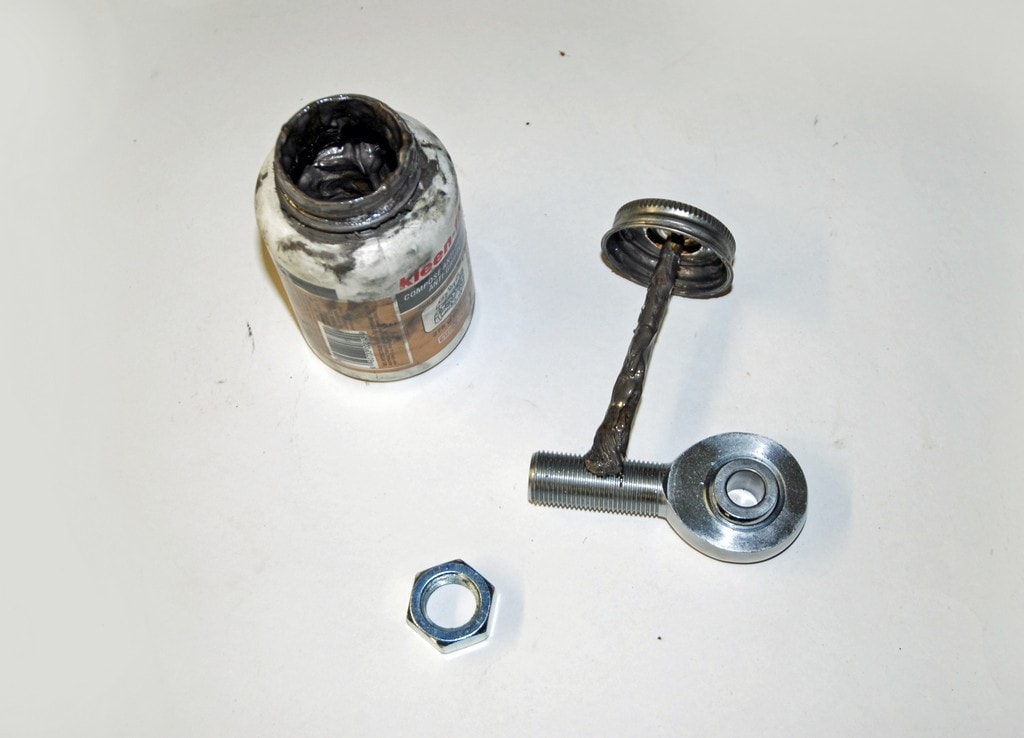
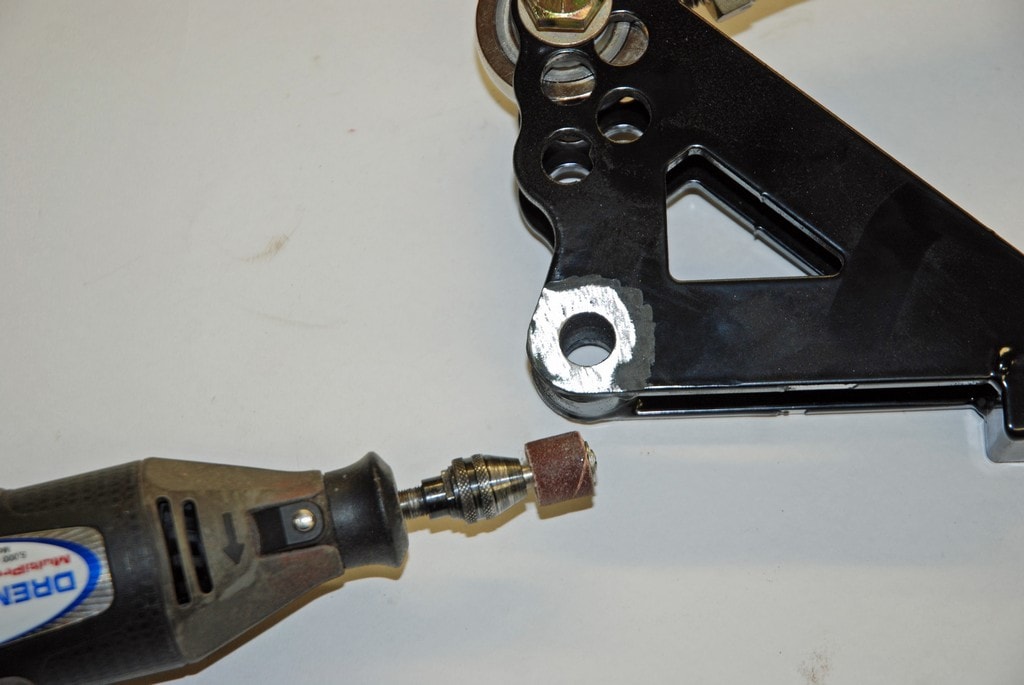
In the photos that follow, we’ll show you the basics of assembling a set of Assassin traction bars. And in the segments that follow, we’ll give you some background on Smith Racecraft (you might be surprised), as well as a better idea of how the bars work along with the steps required to adjust them. Tuning a bolt-on bar has never been easier. Follow along. Smith Racecraft’s Assassins are without question the most advanced bolt-on traction bars ever built.
Bolt-on leaf spring traction devices have been around for what seems like forever. There have been plenty of different traction bar arrangements built and manufactured over the years. Some were good. Some were not so good. Fair enough, but time doesn’t stand still, either.
First let’s spin the clock back sixty or so years: The bar of choice was the round tube Traction Master. It had a mount that was affixed to the bottom of the leaf spring (at the axle tube), with a section of tubing that stretched forward to the front spring eye. From there, though, the front bracket had to be welded to the chassis. They couldn’t be tuned.
The next innovation was the slapper bar. Several manufacturers built (and some still build) them. Most know what these are – they’re a square tube or rectangular bar that replaced the lower spring perch. From there, the bar tubing reached forward with a rubber snubber that (initially) came in contact with the spring just aft of the forward eye. They used a special “J” bolt that helped anchor the bar to the rear axle housing. Tuning consisted of cutting the rubber snubber or shimming it upward. You could also tune the bars with spring wedges in order to alter the pinion angle. Racers soon found that the bars worked better when they were stretched a bit on the nose so that the snubber actually made contact with the spring eye. Manufacturers of some of the later examples claim their models are physically longer and actually make contact with the eye.
Today, slapper bars are still in use. They work reasonably well, but you really don’t have a lot of tuning options. We should also point out that by the mid-seventies, everyone wanted slapper bars. The manufacturers paid attention and, as a result, there were all sorts of inexpensive examples on the market that really didn’t work. Some were even chrome plated. Consider them cosmetic. Some bolt-on ladder bars surfaced at about the same time. They simply didn’t work because with the configuration, it was difficult to absorb and control the forces present when big power was applied. Place them in the cosmetic file too.
Next up came the C-E Slide-A-Link bar. Here, the design is such that it bolts on to the housing like a slapper bar. At the front of the spring, a pivot point is added. A pivot point mount plate installs inside the front leaf spring pocket and clamps down on the leaf spring. In between is a sliding link. The system works much like the original Traction Master, but the actual traction “tube” can’t bind because the sliding link allows it to move fore and aft. Essentially, what this does is allow the front segment of the spring to remain stiff under power (much like an old Mopar Super Stock spring). They offer limited adjustment: Free travel and pre-load adjustments are made on the vehicle by adjusting the jackscrew at the rear of the bar.
In roughly the same time span as the sliding link bar, a unique traction bar came out of California (CalTrac). We’ve discussed them at length in the past, but the basics are that it too has a rear mount that replaces the lower rear spring perch. It then incorporates a section of round tubing that goes forward to the front section of the leaf spring. From here, a rocker mount (anchored to the forward spring eye) works an actual rocker assembly containing a large roller. That roller clamps down on the front segment of the spring as power is applied, which in turn applies force to the top of the leaf spring. The bars are pre-load adjustable (by shortening or lengthening the tubular link) and in some configurations, they have two positions that allow for moving the front of the bar up or down.
As you can see, traction bar technology moved forward (sometimes at a snail’s pace, but forward nonetheless). Some of the bars had (and some cases, still have) limited adjustment and, to be perfectly honest, some have earned a reputation as spring breakers. The latest (and perhaps biggest) move forward in bolt-on traction bar technology is the Smith Racecraft Assassin. It doesn’t have any of the negatives of the other bars and it has a ton of positives. What it is, is the most adjustable bolt-on bar in the business. It’s also an extremely high quality bar that incorporates a unique adjustable rocker that directly contacts the front spring eye (more on this later in the series).
In the photos that follow, we’ll show you the basics of assembling a set of Assassin traction bars. And in the segments that follow, we’ll give you some background on Smith Racecraft (you might be surprised), as well as a better idea of how the bars work along with the steps required to adjust them. Tuning a bolt-on bar has never been easier. Follow along. Smith Racecraft’s Assassins are without question the most advanced bolt-on traction bars ever built.
I needed to replace my 50 year old HP leaf springs in my 440 6bbl 70 Roadrunner. Warmed over 440 3×2 carbs and a 5 speed (4 speed in reserve, just in case) and a 4.10 ring and pinion gearset makes for traction problems.
I was looking at Caltracs, and I have their split mono leaf springs and sliders on the way, but I liked the look of the Assassin bars, so this 3 part article is ideal!
What vehicles are these available for; are they a custom build ?
Can these be used for an axle that is mounted under the spring ?
What is the cost ?