



![[Gallery] Ancient City Auto Club 41st Annual Car Show](https://www.racingjunk.com/news/wp-content/uploads/2025/12/DSC_9452-e1766170514455-376x206.jpg)


![[Gallery] Eric's 1934 Coupe Named "The Beast"](https://www.racingjunk.com/news/wp-content/uploads/2022/06/20200527_161929-min-scaled-e1655842527384-376x206.jpg)
How to Replace Your Brake Rotor
Click Here to Begin
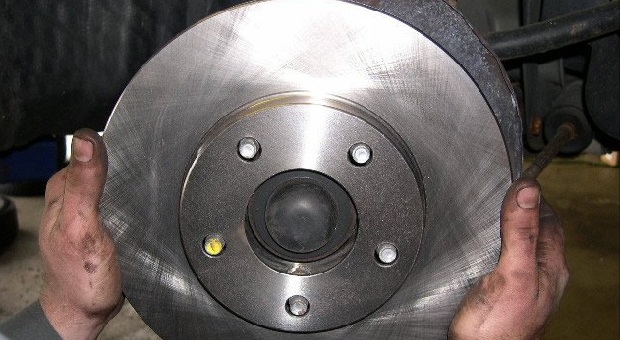
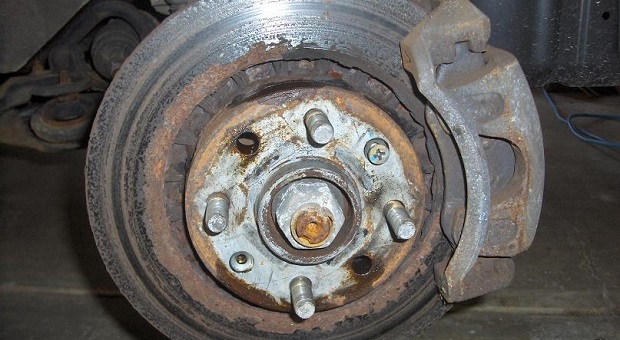
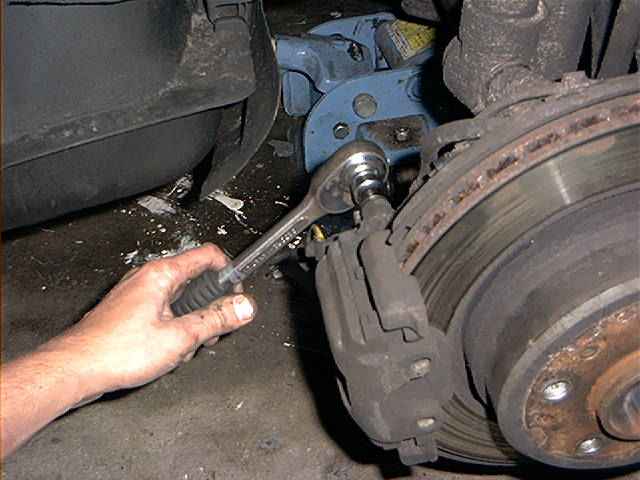
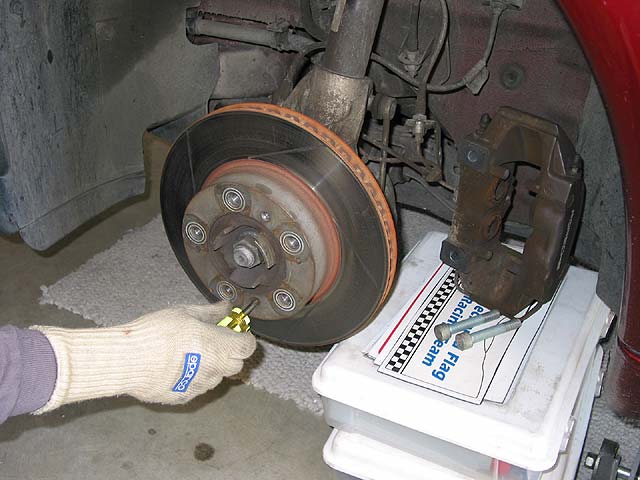
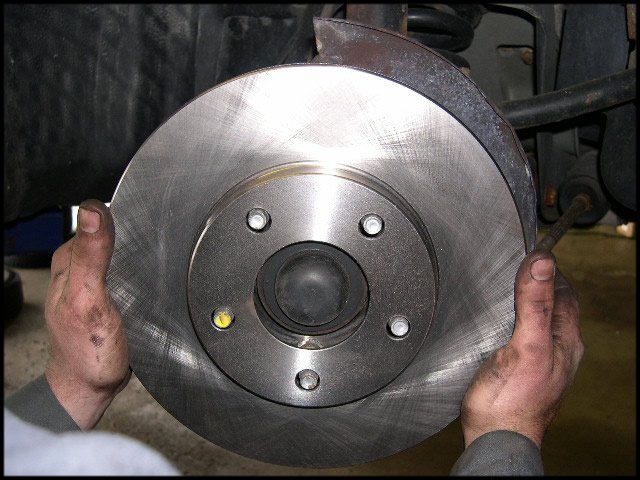
The brake rotors are the last stop in the brake system; they’re what makes your car stop. Shortly after you press the brake pedal, the brake fluid pushes into the brake lines to compress the calipers’ pistons, which force the brake pads to clamp onto the brake rotors. The friction created between the pads and the rotors brings the car to a stop. A few things that can affect the performance of your brake rotors: rust, grooves, and cracks are three things that could ruin your rotors. If your brake rotors have circular grooves all around them, you should replace them. If you see a crack or any signs of rust on one of your brake rotors, it is time for new rotors. The lifespan of brake rotors can vary depending on your driving style; however, the rule of thumb is the brake rotors should be replaced with the second brake pad cycle. So every second time you change your brake pads, change the brake rotors with them. Replacing the brake rotors is a similar process for most vehicles. The only difference between cars is be the type of screw holding the rotors in place; some vehicles have a Philips screw, while others have a hex screw. If you haven’t removed your brake rotor in a while, it may take a few taps with a rubber mallet to get it off, so be prepared for that. When your brake rotors start wearing, you will hear a grinding noise as your car comes to a stop. Check the brake pads first to make sure they are not the culprit. If you fail to replace your brake pads early enough when they start wearing, they could wear out your brake rotors. Read on to learn how to replace the brake rotors on your vehicle.
Tools Required:
Jack
Jack stands
Tire iron
Socket set
Philips screwdriver
Hex bit
Rubber mallet
New brake rotors
The brake rotors are the last stop in the brake system; they’re what makes your car stop. Shortly after you press the brake pedal, the brake fluid pushes into the brake lines to compress the calipers’ pistons, which force the brake pads to clamp onto the brake rotors. The friction created between the pads and the rotors brings the car to a stop. A few things that can affect the performance of your brake rotors: rust, grooves, and cracks are three things that could ruin your rotors. If your brake rotors have circular grooves all around them, you should replace them. If you see a crack or any signs of rust on one of your brake rotors, it is time for new rotors. The lifespan of brake rotors can vary depending on your driving style; however, the rule of thumb is the brake rotors should be replaced with the second brake pad cycle. So every second time you change your brake pads, change the brake rotors with them. Replacing the brake rotors is a similar process for most vehicles. The only difference between cars is be the type of screw holding the rotors in place; some vehicles have a Philips screw, while others have a hex screw. If you haven’t removed your brake rotor in a while, it may take a few taps with a rubber mallet to get it off, so be prepared for that. When your brake rotors start wearing, you will hear a grinding noise as your car comes to a stop. Check the brake pads first to make sure they are not the culprit. If you fail to replace your brake pads early enough when they start wearing, they could wear out your brake rotors. Read on to learn how to replace the brake rotors on your vehicle.
Tools Required:
Jack
Jack stands
Tire iron
Socket set
Philips screwdriver
Hex bit
Rubber mallet
New brake rotors
Leave a Reply