



In a past issue, we laid out a dozen tips and tricks to make life easier when it comes to clutch installation as well as clutch system maintenance. We dug into everything from clutch discs to pressure plates; release bearings to flywheels. But we didn’t finish. This time around, we wrap up the series with another dozen clutch, pressure plate and flywheel tips. If you dig rowing gears for yourself, check out the following:

Typically, flywheel bolts are held in check by way of 60-70 foot-pounds of torque. Not much for a fastener that must endure the stresses of a modified engine. When installing a new clutch, consider these ARP bolts. Not only are they superior in strength, they’re also designed to handle 115 foot-pounds of torque (each). Install them with supplied lubricant. 
Many racers tend to lean toward Borg & Beck or Long style clutches. If your car originally came equipped with a diaphragm type clutch and you decide to switch to a Borg & Beck or Long, you’ll discover some linkage pieces won’t line up — particularly the clutch pivot ball. Similarly, swapping an OEM cast aluminum bellhousing for a scattershield sometimes has a similar effect (with a block protector plate, the dimensions change). Typically, the clutch fork will hit the pressure plate cover. A quick fix is an adjustable clutch pivot ball such as the one shown here. You can easily adjust it to the desired length. 
A big pain in a clutch removal and replacement job is aligning the disc. It’s possible to fabricate an alignment tool from an old input shaft, but most of the clutch manufacturers go one step further, offering special dedicated, splined alignment tools. These inexpensive tools are usually manufactured from high impact plastic and incorporate small snout that fits inside the pilot bearing. On the opposite end is a handy handle. Given the layout and the weight, they’re extremely easy to use (especially when you’re on your back under the car in the driveway). Try one. It will definitely make your life easier. 
If you’re in a bind and you don’t have ready access to a spline clutch installation tool, try this: Sort through your deep sockets to find one that fits inside the crankshaft pilot bore. Wrap the socket with tape until it contacts the disc splines. You can now use the socket as an alignment tool. 
Occasionally, you’ll come across a new clutch disc that doesn’t want to slide easily over the input splines on your transmission. If you have, don’t worry. The dilemma is sometimes caused by a burr on either the transmission input shaft or on the clutch disc splines. The fix is simple: Debur the splines on both the clutch disc and the input shaft. 
FIVE FLYWHEEL INSTALL ESSENTIALS: When installing a flywheel, be sure to you follow this route: • Confirm the crankshaft flange is flat, square and clean. • Inspect the threads in the crankshaft flange. Clean and chase the threads with a tap if necessary. • Scrub factory-applied rust preventative coating from the friction surface and mounting surface of the flywheel and the pressure plate. • Consider the use of a thread locking compound on flywheel-to-crankshaft and pressure plate-to-flywheel bolts. • Never use an impact wrench on flywheel or pressure plate hardware. Use a torque wrench and follow the clutch manufacturer’s specifications. 
There’s a right and a wrong way to align a throw out bearing in the clutch fork for GM products (don’t laugh – plenty of folks get it wrong): Note the channel of the throw out bearing? The spring clip on the fork does not go on the outside or on top of the throw out bearing. Both the spring clip and the fork go on the inside channel of the throw out bearing as shown here. 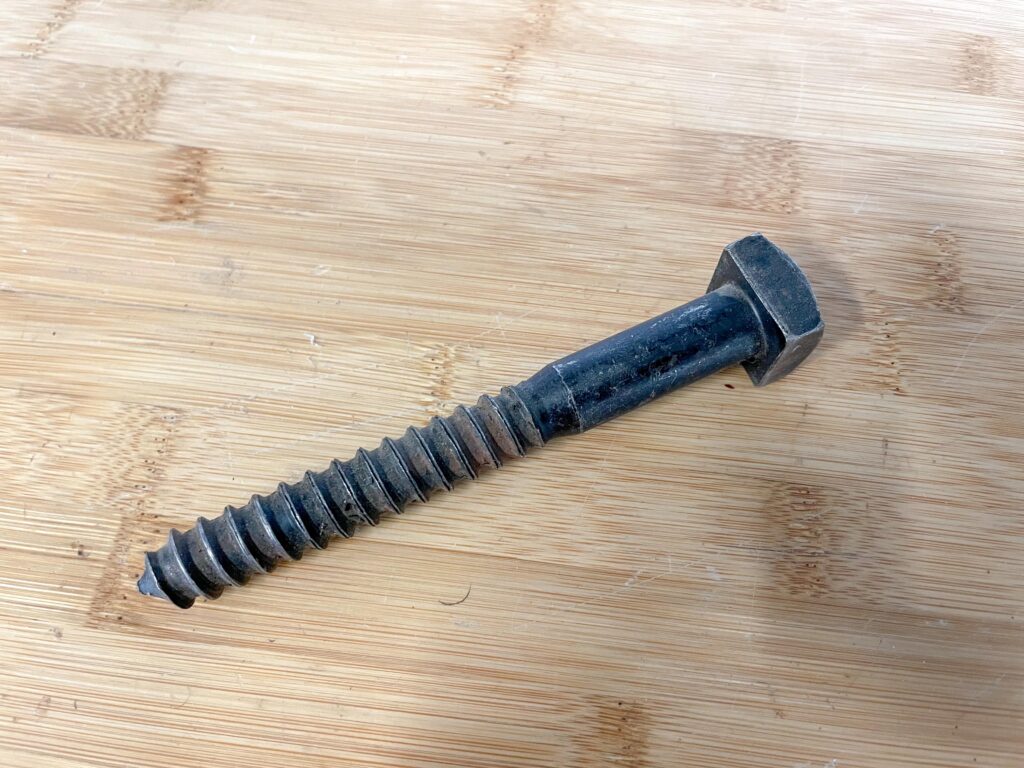
In some cases, a pilot bushing will literally fall out. Other times, they require a serious amount of work to remove. If you can’t get it out, try this: Purchase an 11/16-inch coarse bolt. Thread it into the soft pilot bushing material. Keep turning and when the bolt strikes the back of the crank, it will force the bushing out. If it doesn’t come out easily, the bolt provides a good sized handle to work the bushing out of the crank. 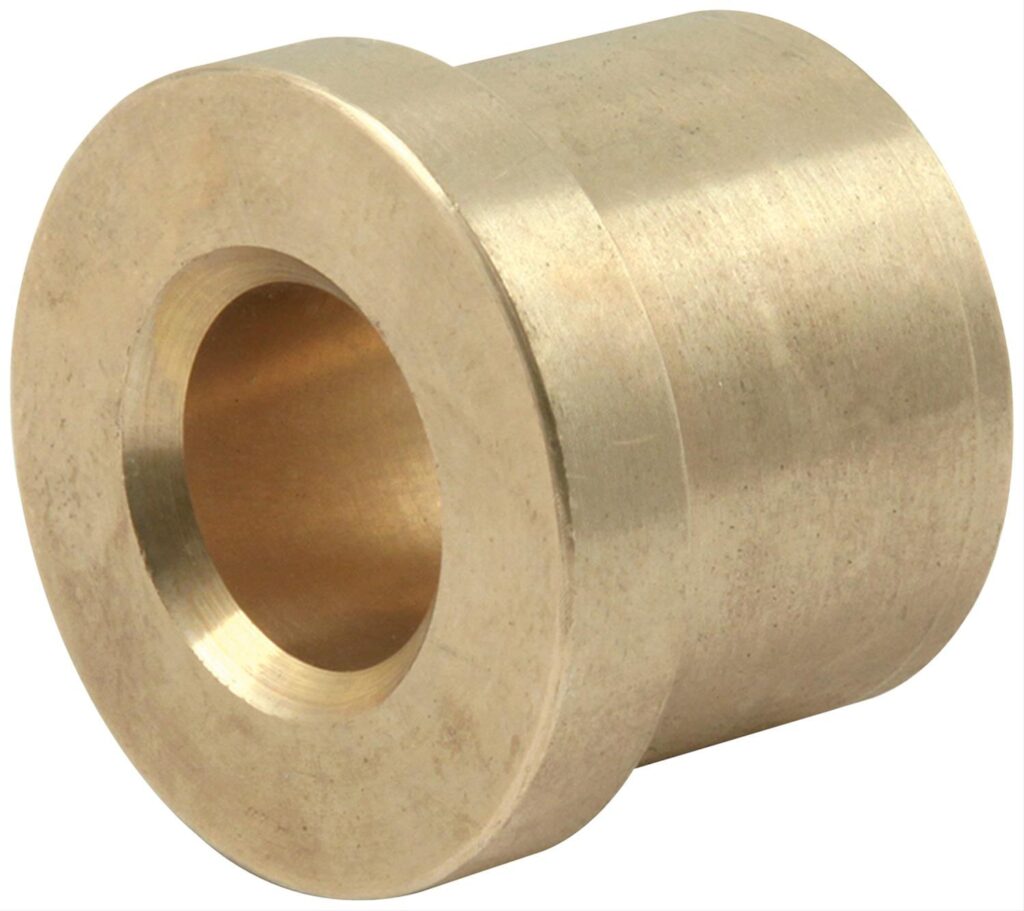
Silly as it may seem, when replacing a bronze pilot bushing (as shown here) with a bearing, be sure of what you’re buying! We’ve seen some supposedly trick roller pilot bearing setups and the truth is, some are really just regular (and cheap replacement) bearings. Needless to say, the bearing and disc used with that combination doesn’t last long. Food for thought. 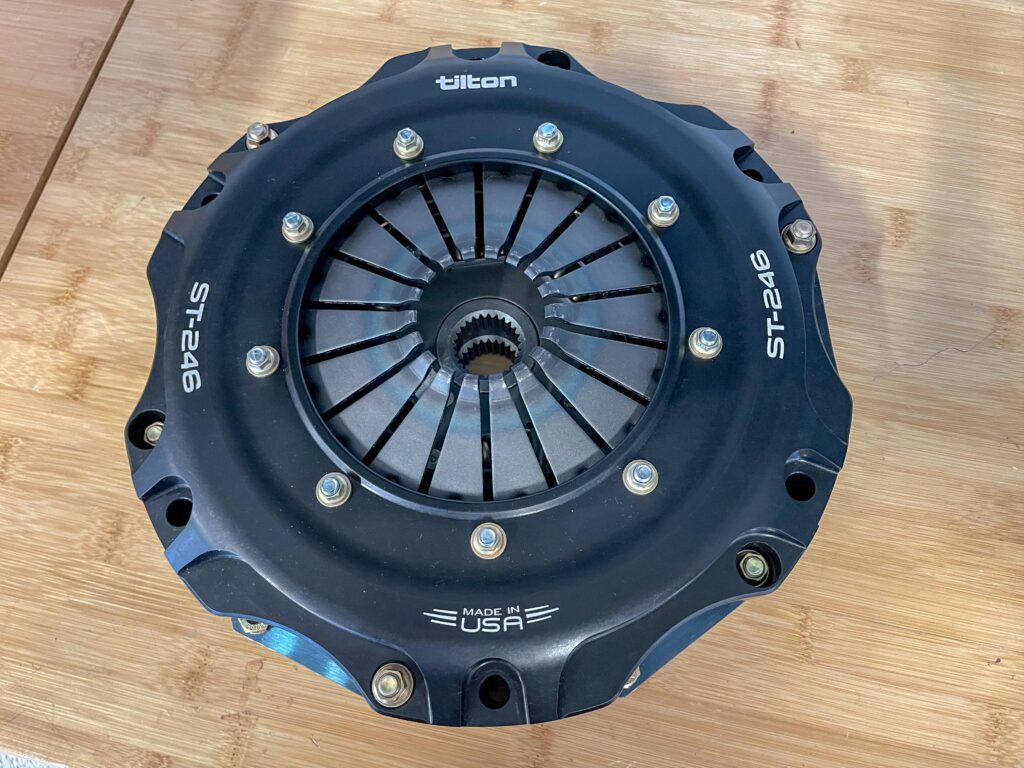
NO WELDING & NO DRILLING: When balancing pressure plates and flywheels as assemblies, do not weld on or drill on pressure plate hat! Welding changes the finger height while drilling will physically weaken the hat. 
If the stick shift transmission in your car howls in neutral with the clutch out, there is a way to figure out the problem. Try pushing in the clutch pedal. If the noise goes away, then the problem is a bad release bearing. 
You can’t break in a clutch by running a car, in gear on the axle stands (not a stellar plan in the first place). Believe it or not, many high-performance clutch assemblies require a break in period of 450-500 miles of street stop and go driving before applying full power. The accumulated mileage is required to properly seat the disc with the pressure plate and flywheel.