



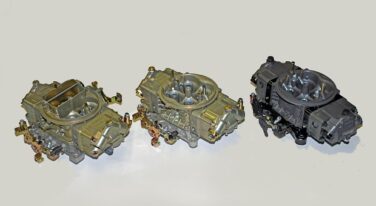
What are the Differences in Big Holley 4150 Carburetors? Part 4
To conclude this series, we’ll remove the bowls and metering blocks from these carbs and look inside.
Getting fuel to your engine is key to performance, whether through a carburetor or an EFI. Find tips and tricks to maximizing performance, completing installs, and deciding what kind of systems, upgrades and enhancements are right for your situation.
To conclude this series, we’ll remove the bowls and metering blocks from these carbs and look inside.
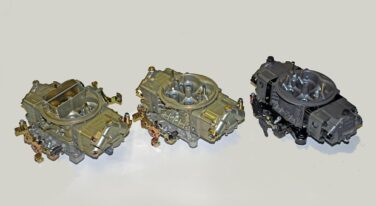
This time, we’ll examine throttle shafts, baseplates and a not-so-little thing called a “by-pass valve” found on the XP series carbs.
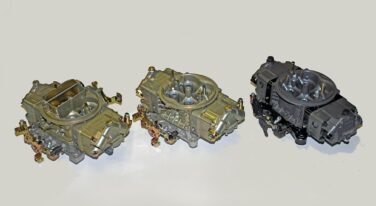
This time around, we’ll dig into the float bowls, accelerator pumps and more.

For maximum performance, engine, launch RPM or shift RPM changes can be affected by air density changes.
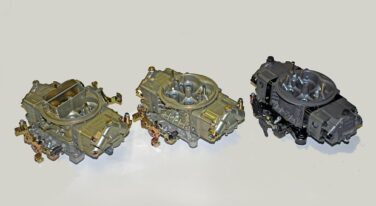
What we’ll look at here are the differences in the big Holley 4150 carburetors – all with 1.750-inch diameter throttle bores.
![[Video] EFI Wars: Edelbrock Vs. FiTech](https://www.racingjunk.com/news/wp-content/uploads/2019/08/sdfsdfsdfsd-376x206.png)
Youtuber Nashville Early Bronco wanted to figure out the best EFI system to run on his ’75 Bronco so he pit the FiTech Go Street that he’s been running against the Edelbrock Pro Flo 4.
Atomizer Racing Injectors takes pride in providing the only purpose built racing injectors on the market.

Air density forecasts are available through Air Density Online for the Lucas Oil Speedway and for racetracks around the world.
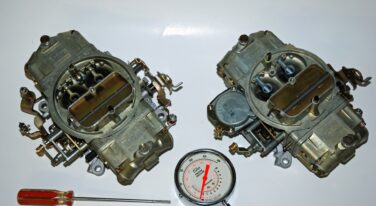
In this piece, Wayne Scraba shows us how to adjust the idle of a Holley carb.

When a Holley 4150 or 4500-series carb is mounted normally, fuel rushes toward the primary jets as the car accelerates. It also means fuel runs away from the secondary jets. Not good. But today, the cure is simple.