



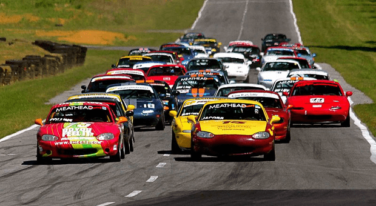
Climbing the Racing Ladder
Getting into road racing isn’t the easiest endeavor around. There are a few in-roads, but beyond those things get much more complicated.
Getting into road racing isn’t the easiest endeavor around. There are a few in-roads, but beyond those things get much more complicated.
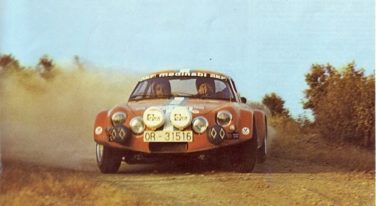
While driving quickly and neatly on paved courses requires utmost precision and a careful use of both front and rear tires within a relatively narrow window of slip angle, the rally driver is wise to throw this approach out the window – though not entirely.
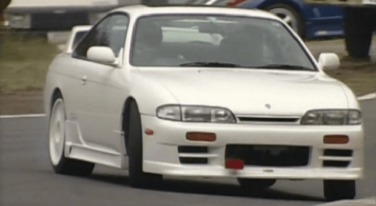
Drifting a purpose-built drift machine is challenging in its own right, but the approach it requires is quite different from that required in a road car.

There are a few ways to go retrofitting a muscle car for the demands of the modern road course.
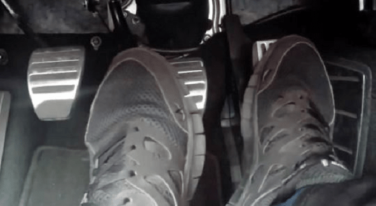
Because of the prevalence of paddle-shifted gearboxes in modern sports cars, the appeal of left-foot braking is greater these days, so why not learn to capitalize on a new-fangled form of technology and put that lazy left foot to work?
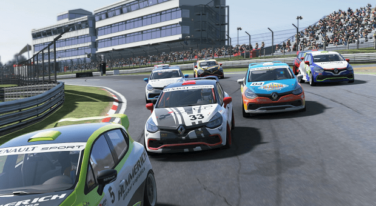
In modern racing sims – rFactor, iRacing, Project Cars, and the like – the aspiring racing driver can learn racecraft, assess their lines and learn courses, as these programs are very similar to the real thing in some respects.

Pike’s Peak is raw, unrivaled and challenging in ways that no other racing venue really is – and that’s why it requires a specific approach.
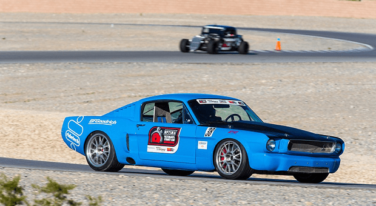
Moving from the world of muscle cars into the world of road racers is a shock for many. Lots of back-and-forth ensues regarding the right spring selection, the right amount of swaybar and how to balance front and rear stiffness to help – and, truthfully, it never ends.

Josh grabbed the Ford for peanuts, fixed up the faulty clutch and decided that he’d turn it into a Pro Touring Mustang.

As the drivers sit on the starting grid, their eyes fix keenly on the light or the flag marshal, they bite their lips, breathe shallowly and tense their grip around the steering wheel.