




![[Gallery] Mecum Kissimmee Auction 2026](https://www.racingjunk.com/news/wp-content/uploads/2026/03/DSC_0717-e1774629242515-376x206.jpg)

![[Gallery] Cruisin’ One Daytona](https://www.racingjunk.com/news/wp-content/uploads/2026/03/DSC_0538-e1774027057404-376x206.jpg)





How to Figure Out the Axle Housing Width for Your Car
Click Here to Begin Slideshow
Poll any drag race chassis shop and they’ll quickly tell you a car should be built around the wheels and tires (particularly the back ones). Sure, a good number of home built cars are constructed that way too, but plenty aren’t. If the business end of the car isn’t built around the rear rolling stock, there’s a pretty good chance the wheel fit, along with the ride height, will never be right. Get the ride height wrong and you’re definintely asking for suspension grief. Ditto with the wheel fit. The bottom line here is to measure everything multiple times over and then order your parts.
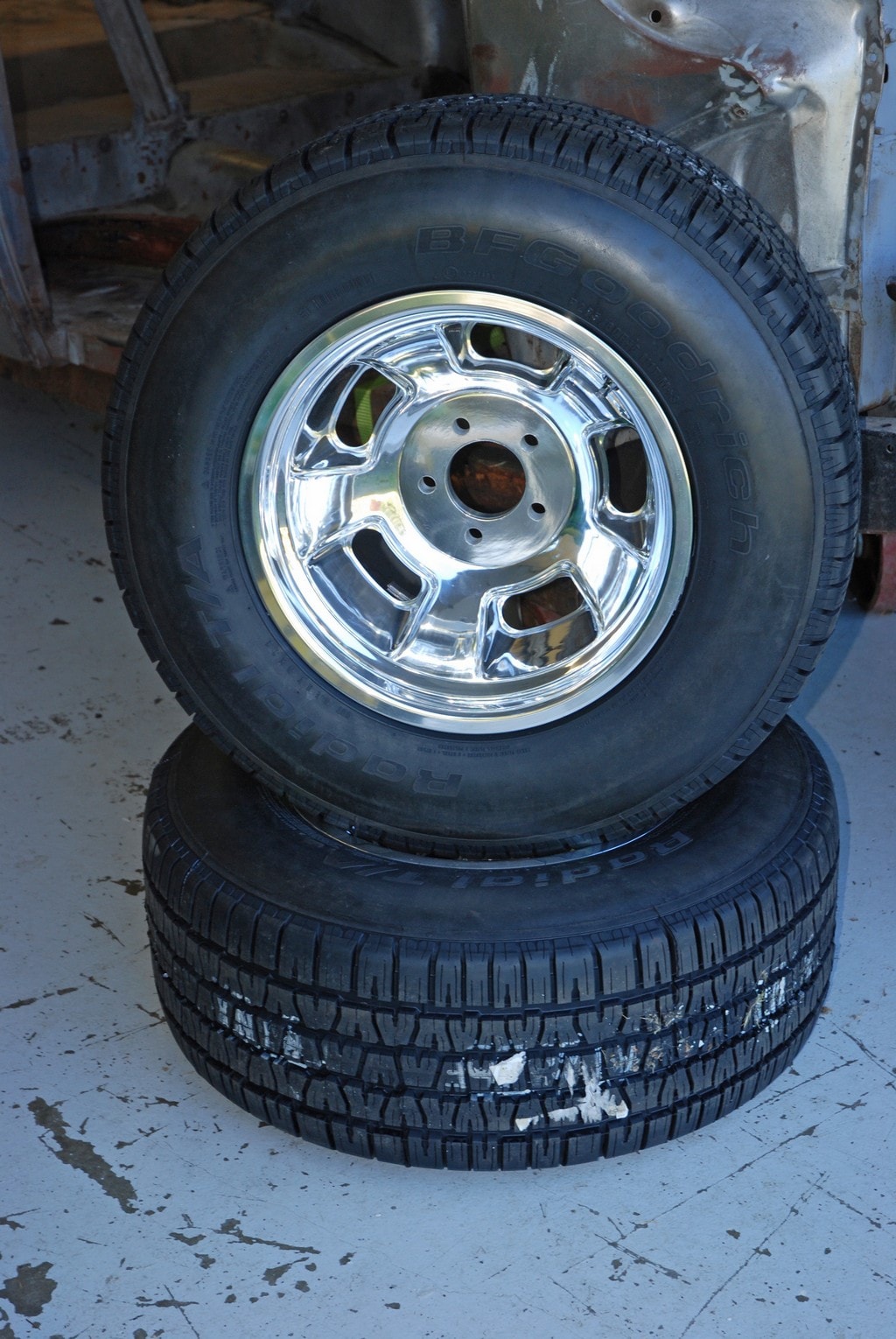
Fair enough, but where do you begin? The place to start is the rear end housing. Each car is different; that shouldn’t be a surprise. But if you have the back wheels and tires in hand (mounted), that’s the only piece of the puzzle, aside from the car, that you’ll need. In a few cases, it’s simply a matter of jamming the wheel and tire combination up inside the existing wheel well, squaring the works up in the chassis and measuring between the respective wheel mount flanges. You’re pretty much done.
But that’s the easy route. What if you have to chop the floor up, cut out the wheels tubs, narrow or fab the frame before anything fits? And what if you don’t want to cut anything up before you have a new frame or frame segment to slide under the car? After all, for some cars the floor is one of the few structural pieces that hold the body together. If you drag out the Sawzall too soon, then you have to deal with a flexing, flopping carcass. In turn, that can make a simple job like moving the body around the shop rather difficult.
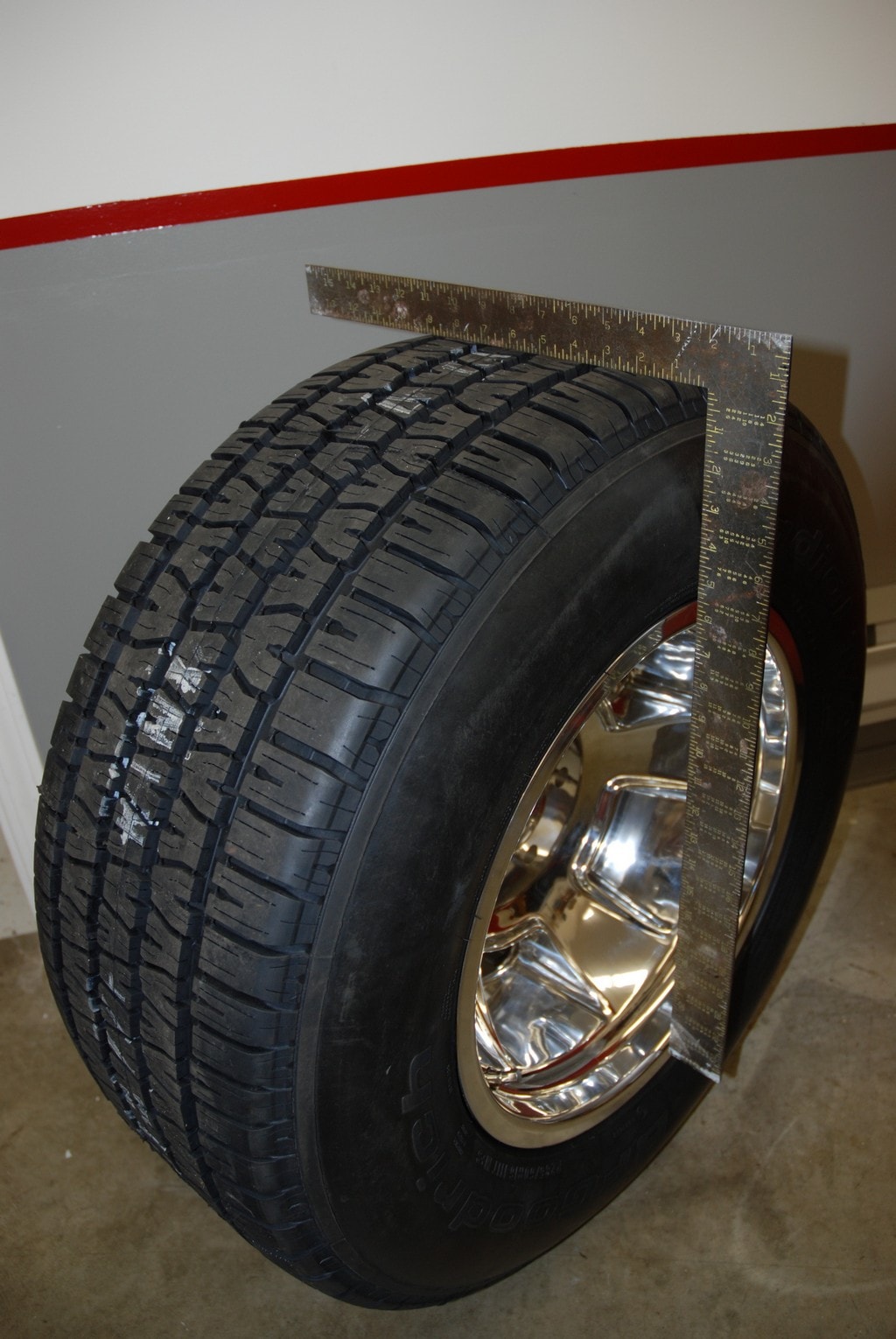
To figure out the rear width, you’ll need some simple tools. Included in the mix are a couple of plumb bobs, a tape measure and a carpenter’s square, along with a straightedge. You’ll also find that a wee bit of tape, a sharpie marker and a hand calculator come in handy too. Housing calculus isn’t tough. Here’s how to do it.
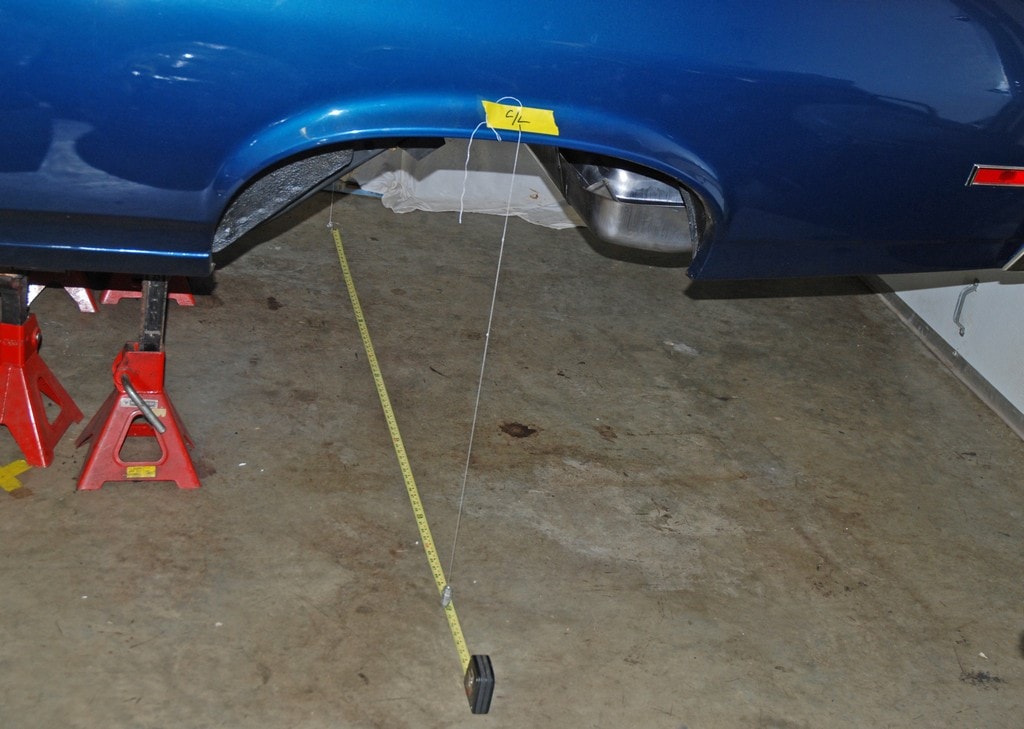
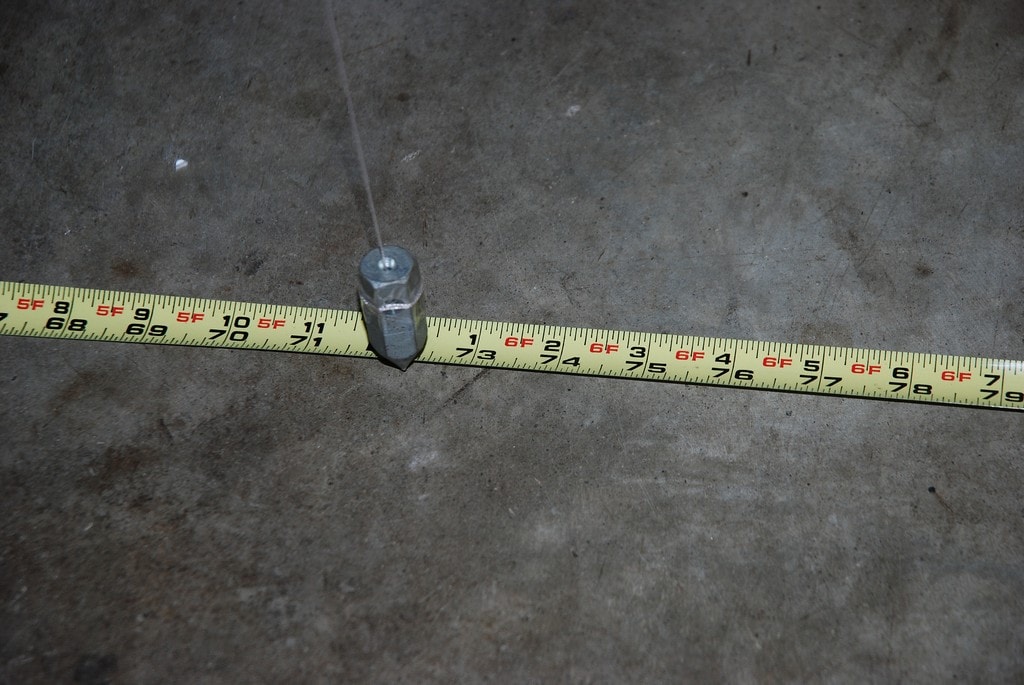
First things first: See the scribbles on the tape? One of the things we’ve done is figure out the centerline of the rear axle in relation to the body. In truth, in stock form, some cars don’t really have the back axle centered in the wheel well. It’s not really difficult to nail down the the axle centerline either: Assuming everything is square, just measure between the leading and trailing edges of the lower fender and split the difference. That’s the “C/L,” or “center line,” mark on the fender.
Poll any drag race chassis shop and they’ll quickly tell you a car should be built around the wheels and tires (particularly the back ones). Sure, a good number of home built cars are constructed that way too, but plenty aren’t. If the business end of the car isn’t built around the rear rolling stock, there’s a pretty good chance the wheel fit, along with the ride height, will never be right. Get the ride height wrong and you’re definintely asking for suspension grief. Ditto with the wheel fit. The bottom line here is to measure everything multiple times over and then order your parts.
Fair enough, but where do you begin? The place to start is the rear end housing. Each car is different; that shouldn’t be a surprise. But if you have the back wheels and tires in hand (mounted), that’s the only piece of the puzzle, aside from the car, that you’ll need. In a few cases, it’s simply a matter of jamming the wheel and tire combination up inside the existing wheel well, squaring the works up in the chassis and measuring between the respective wheel mount flanges. You’re pretty much done.
But that’s the easy route. What if you have to chop the floor up, cut out the wheels tubs, narrow or fab the frame before anything fits? And what if you don’t want to cut anything up before you have a new frame or frame segment to slide under the car? After all, for some cars the floor is one of the few structural pieces that hold the body together. If you drag out the Sawzall too soon, then you have to deal with a flexing, flopping carcass. In turn, that can make a simple job like moving the body around the shop rather difficult.
To figure out the rear width, you’ll need some simple tools. Included in the mix are a couple of plumb bobs, a tape measure and a carpenter’s square, along with a straightedge. You’ll also find that a wee bit of tape, a sharpie marker and a hand calculator come in handy too. Housing calculus isn’t tough. Here’s how to do it.
First things first: See the scribbles on the tape? One of the things we’ve done is figure out the centerline of the rear axle in relation to the body. In truth, in stock form, some cars don’t really have the back axle centered in the wheel well. It’s not really difficult to nail down the the axle centerline either: Assuming everything is square, just measure between the leading and trailing edges of the lower fender and split the difference. That’s the “C/L,” or “center line,” mark on the fender.
Leave a Reply