



Gear Bangers Part IV
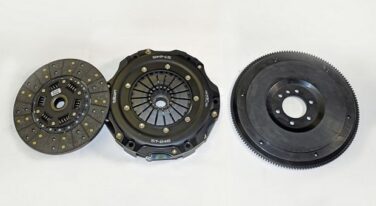
While the discs and pressure plate along with the general design have a lot to do with the clutch, you can’t forget the flywheel.
While the discs and pressure plate along with the general design have a lot to do with the clutch, you can’t forget the flywheel.
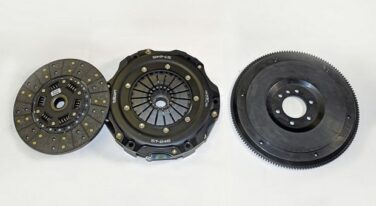
This time around, we wanted to look at some of the practical dimensions – basically how big it really is and how well it fits into a bellhousing in the real world.
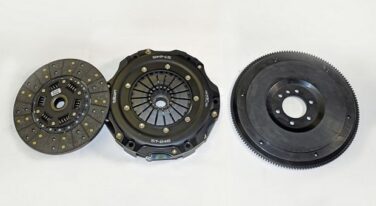
Last time, we provided you with a little preview of Tilton’s new street strip ST-246 clutch. The attributes are many and we’ll dig into them right here.
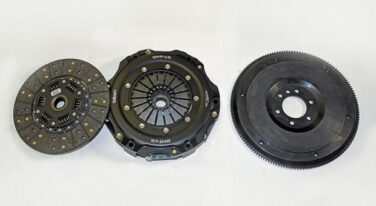
Getting the right clutch setup for a street-strip car isn’t exactly easy.
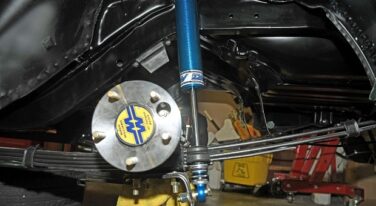
This time around, we’ll examine AFCO’s coil-over conversion kits for vintage GM cars and also provide you with some firsthand info on how to make the shocks fit.
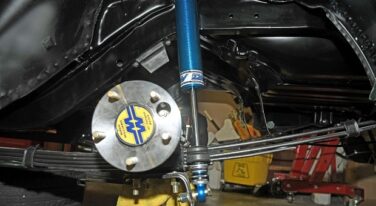
If you’re a seasoned racer, you know the crushing feeling when the oil pan and the headers become flattened.
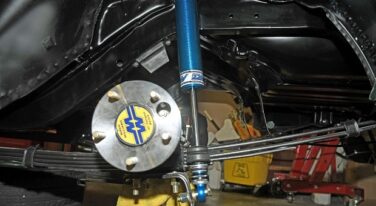
Double adjustable shocks such as the AFCO permit you to fine tune the valving requirements externally. The following is a look, up close, at how the shocks work and how they’re adjusted.
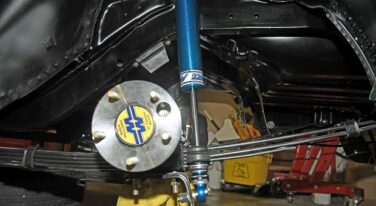
There is a simple truth in making a fast street car or any other small tire car work on the drag strip: Shock absorbers are the key.

Pinion angle should be checked and adjusted any time there are changes made to the chassis that have an effect upon the ride height of the car or the length and location of the suspension link bars.

Correct pinion angle isn’t only important to a drag racer; it’s also very important in other forms of motorsports, along with any number of street vehicle applications.