





![[Gallery] Mecum Kissimmee Auction 2026](https://www.racingjunk.com/news/wp-content/uploads/2026/03/DSC_0717-e1774629242515-376x206.jpg)
![[Gallery] Cruisin’ One Daytona](https://www.racingjunk.com/news/wp-content/uploads/2026/03/DSC_0538-e1774027057404-376x206.jpg)






Van Steel Shares Their ‘63 to ’79 Corvette Rear End Build Secrets: Part 1
Click Here to Begin Slideshow
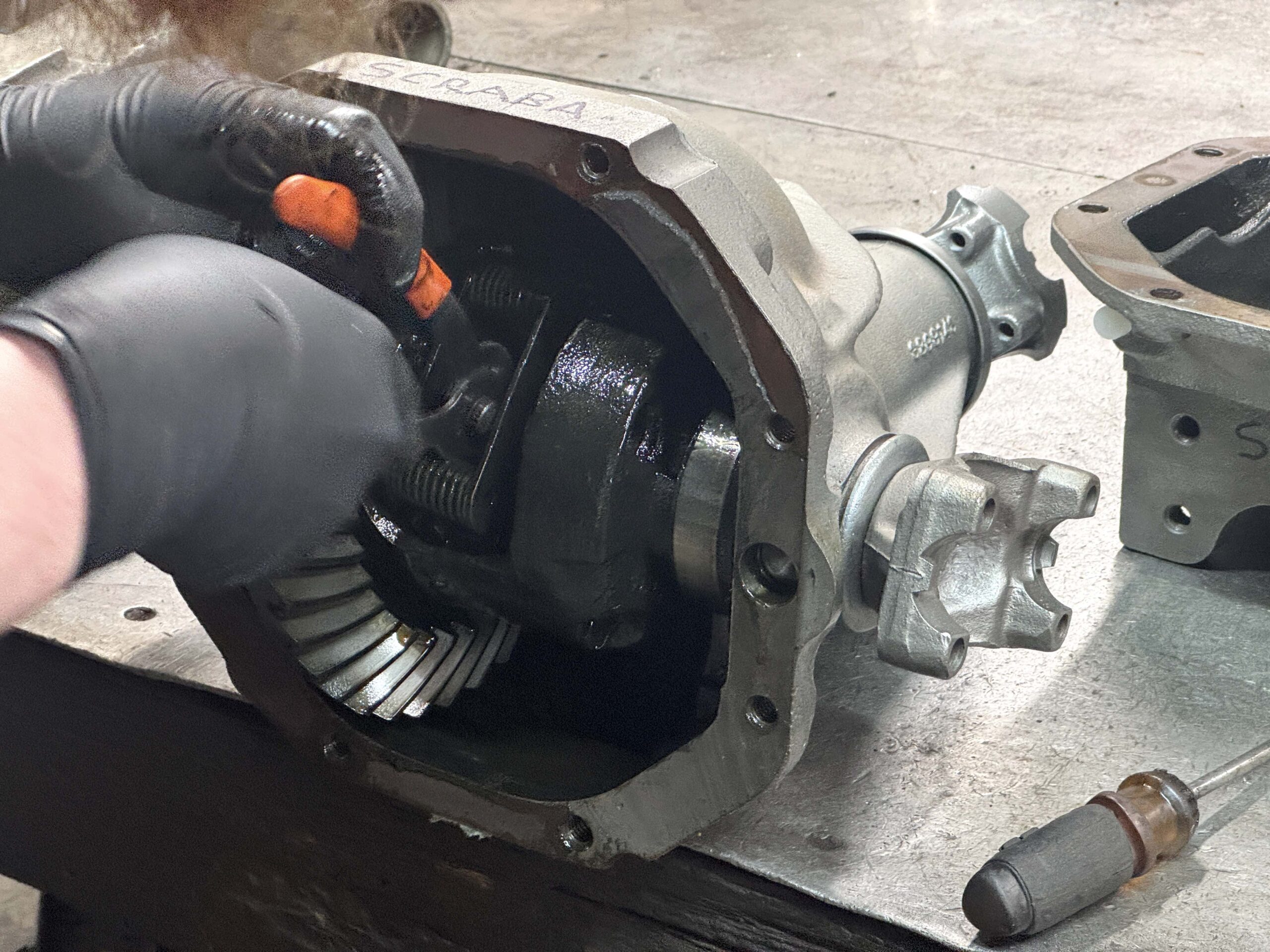
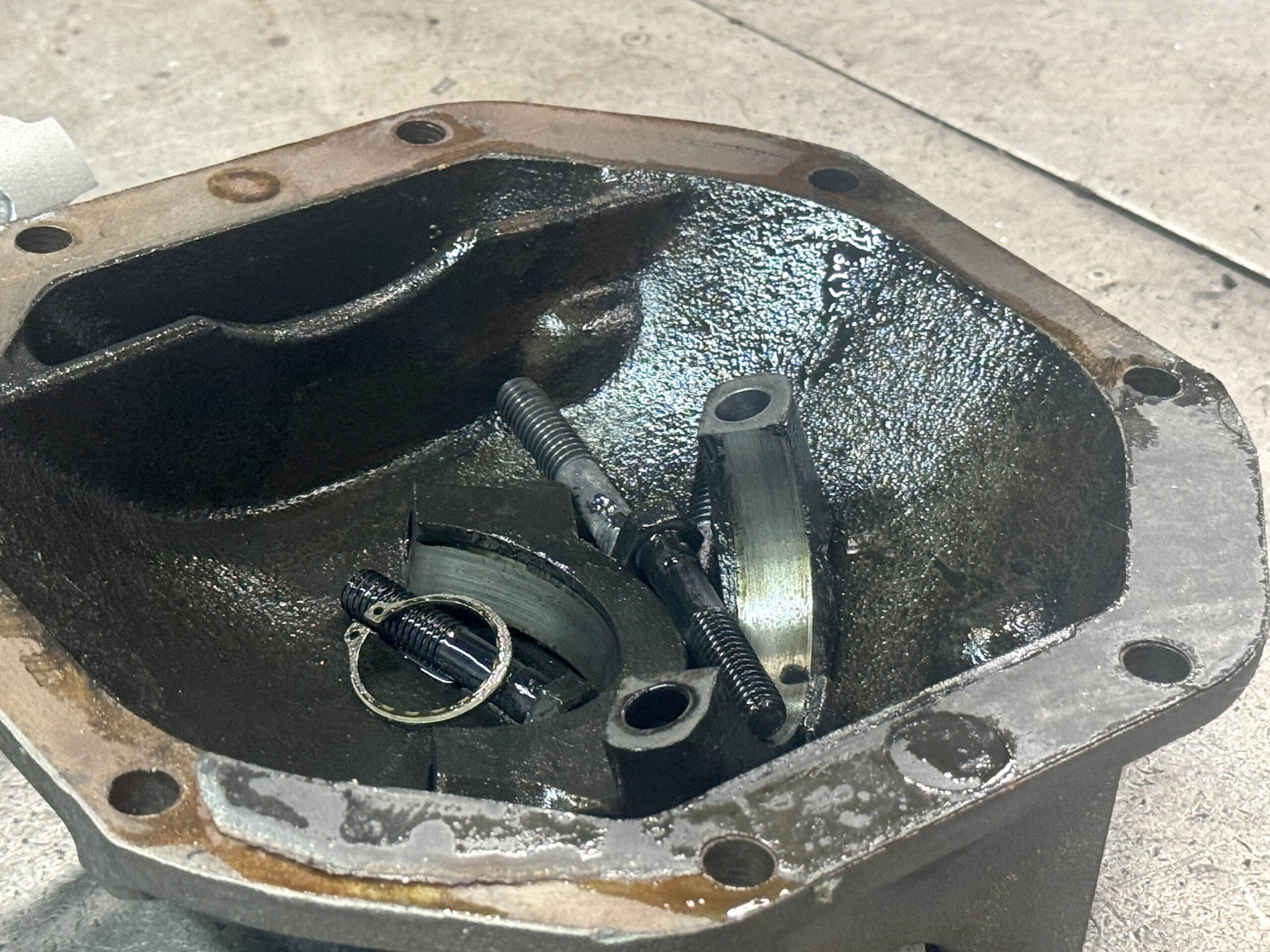
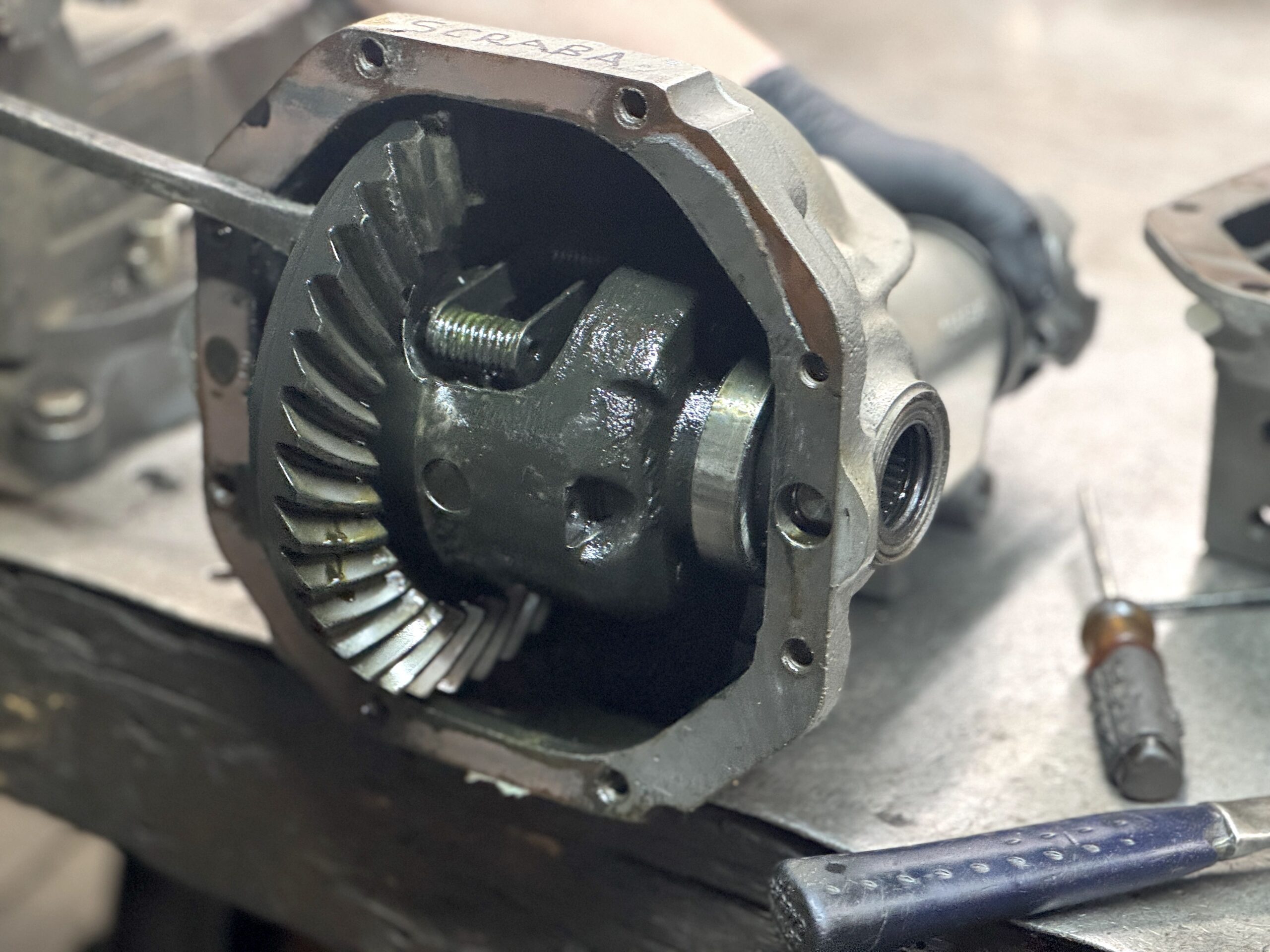
It should come as no shock to anyone who’s into vintage Vettes to hear that the C2 and C3 IRS rear end isn’t exactly a stout piece. It’s simply a ten bolt that had few upgrades over the years. Perhaps the only thing that saved most from ultimate carnage was the fact the cars really never had much tire on the ground. Case-in-point: A 1963 Stingray was fitted with 6.70X15 tires. The tread measured a whopping 4-1/2 inches of tread on the ground (per tire). Meanwhile, the most aggressive tire ever fit to a C3 was a P255-60R15 with a tread measurement of approximately 8.5 inches. None of these tires can be (or were) considered sticky by any stretch of the imagination.Interestingly, the late, great John Greenwood (Corvette road racer extraordinaire) once mentioned that his biggest issue with the rear end was when the car(s) would cross asphalt repair strips on race tracks, churn the tires, and re-hook. It sometimes meant the rear end would say “enough”. And the day was done.So what’s the fix? Enter Van Steel (Van Steel, Inc., 12285 West Street, Clearwater, Florida 33762 USA; Phone: 800-418-5397; Website: www.vansteel.com). They offer several different rear end build options. One is a stock rebuild, but the other two offer considerable improvements:The first option for ’63-79 rear ends is a Heavy Duty Rebuild - 30 spline stub axles for 450+ HP applications. Here, Van Steel rebuilds your rear end assembly with all new bearings, races, seals and gasket. It includes 30-spline axles and differential gears. They re-use your ring and pinion and pinion yoke. Lube and posi additive are included. All components are US manufactured.The second option is similar, but it includes a new ring and pinion (your choice of 3.08, 3.36, 3.55, or 3.70 gears) and a 1350 series yoke (pinion flange). In this case, the driveshaft must be upgraded as well (to accept the bigger 1350 series universal joint). By the way, the rebuilt center sections are painted and detailed prior to shipment back to you.With the following articles, I won’t get into a blow-by-blow build sequence of a Van Steel rear end. There are plenty of sources out there for information on how to assemble a third member. Instead, we’ll focus on what you need to get it to Van Steel, and more importantly, what the big secret is to longevity. Check it out:In the writer’s case, I opted for the big boy rebuild with 3.70 gears and a 1350 yoke. But first things first: I had to get my third member from north of Montana to Florida. UPS was the logical choice. I had a pretty slick wooden crate built (see the pix). The only other thing I had to do was to drain the rear end. There are a couple of reasons for draining the rear end: One, is it’s just another mess for Van Steel to deal with. But Two is probably more important: The shipping company (whoever you chose) won’t be too excited if the shipping crate (or box) becomes polluted with slippery, greasy, and very stinky rear end lube.As it turns out, my rear end shipping crate was destroyed in transit, but the center section survived. At that point, the folks from Van Steel started the disassembly and cleanup.There are a couple of ways to go about the disassembly, but the main caps have to come out and you have to remove the c-clips that retain the stub axles. Once the stub axles are removed, the complete carrier (ring gear and positraction assembly) can be pried out. Typically a pry bar or big screw driver are used to persuade it out. At this point, the pinion can be removed. Basically, that’s the “Cliffs Notes” for the dismantling process.That’s a wrap for this issue. In the next segment, we’ll look at the final cleanup and then dig right into the critical modifications necessary in order to mate 30 spline stub axles to the vintage Corvette positraction assembly. Watch for it.
Click Here to Begin Slideshow
It should come as no shock to anyone who’s into vintage Vettes to hear that the C2 and C3 IRS rear end isn’t exactly a stout piece. It’s simply a ten bolt that had few upgrades over the years. Perhaps the only thing that saved most from ultimate carnage was the fact the cars really never had much tire on the ground. Case-in-point: A 1963 Stingray was fitted with 6.70X15 tires. The tread measured a whopping 4-1/2 inches of tread on the ground (per tire). Meanwhile, the most aggressive tire ever fit to a C3 was a P255-60R15 with a tread measurement of approximately 8.5 inches. None of these tires can be (or were) considered sticky by any stretch of the imagination.Interestingly, the late, great John Greenwood (Corvette road racer extraordinaire) once mentioned that his biggest issue with the rear end was when the car(s) would cross asphalt repair strips on race tracks, churn the tires, and re-hook. It sometimes meant the rear end would say “enough”. And the day was done.So what’s the fix? Enter Van Steel (Van Steel, Inc., 12285 West Street, Clearwater, Florida 33762 USA; Phone: 800-418-5397; Website: www.vansteel.com). They offer several different rear end build options. One is a stock rebuild, but the other two offer considerable improvements:The first option for ’63-79 rear ends is a Heavy Duty Rebuild - 30 spline stub axles for 450+ HP applications. Here, Van Steel rebuilds your rear end assembly with all new bearings, races, seals and gasket. It includes 30-spline axles and differential gears. They re-use your ring and pinion and pinion yoke. Lube and posi additive are included. All components are US manufactured.The second option is similar, but it includes a new ring and pinion (your choice of 3.08, 3.36, 3.55, or 3.70 gears) and a 1350 series yoke (pinion flange). In this case, the driveshaft must be upgraded as well (to accept the bigger 1350 series universal joint). By the way, the rebuilt center sections are painted and detailed prior to shipment back to you.With the following articles, I won’t get into a blow-by-blow build sequence of a Van Steel rear end. There are plenty of sources out there for information on how to assemble a third member. Instead, we’ll focus on what you need to get it to Van Steel, and more importantly, what the big secret is to longevity. Check it out:In the writer’s case, I opted for the big boy rebuild with 3.70 gears and a 1350 yoke. But first things first: I had to get my third member from north of Montana to Florida. UPS was the logical choice. I had a pretty slick wooden crate built (see the pix). The only other thing I had to do was to drain the rear end. There are a couple of reasons for draining the rear end: One, is it’s just another mess for Van Steel to deal with. But Two is probably more important: The shipping company (whoever you chose) won’t be too excited if the shipping crate (or box) becomes polluted with slippery, greasy, and very stinky rear end lube.As it turns out, my rear end shipping crate was destroyed in transit, but the center section survived. At that point, the folks from Van Steel started the disassembly and cleanup.There are a couple of ways to go about the disassembly, but the main caps have to come out and you have to remove the c-clips that retain the stub axles. Once the stub axles are removed, the complete carrier (ring gear and positraction assembly) can be pried out. Typically a pry bar or big screw driver are used to persuade it out. At this point, the pinion can be removed. Basically, that’s the “Cliffs Notes” for the dismantling process.That’s a wrap for this issue. In the next segment, we’ll look at the final cleanup and then dig right into the critical modifications necessary in order to mate 30 spline stub axles to the vintage Corvette positraction assembly. Watch for it.
Click Here to Begin Slideshow
Leave a Reply