




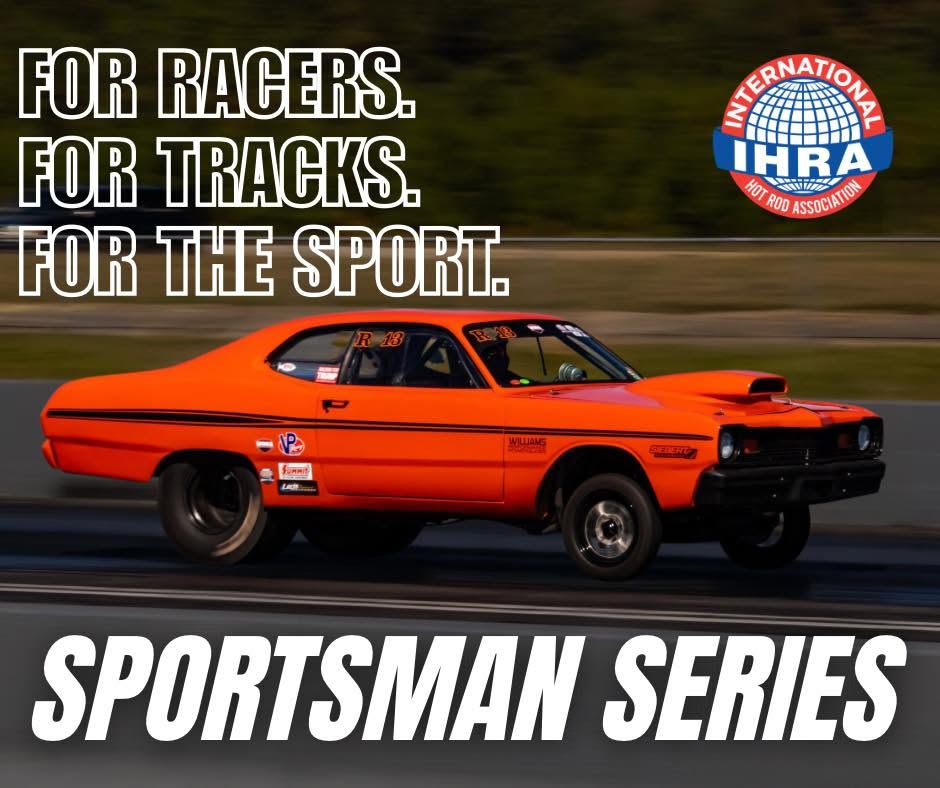
The International Hot Rod Association reset is aimed at putting the grassroots focus back at the center of its drag racing program.
Following weeks of uncertainty surrounding the 2026 schedule, the IHRA officially announced the cancellation of the remaining events in the 2026 Nitro Drag Racing Series, ending the sanctioning body’s return to national professional competition much earlier than anyone anticipated. The decision marked the conclusion of an ambitious effort to rebuild a professional touring series while simultaneously restoring historic facilities and expanding the organization’s footprint across multiple forms of motorsports.
For many fans, racers, and industry members, the announcement was disappointing. But hidden within the news was a message that longtime IHRA racers immediately recognized: the organization intends to return to the foundation that built its reputation in the first place.
In its official statement, IHRA leadership explained that continuing the Nitro Drag Racing Series would have required compromising the quality, safety, and professionalism expected by competitors and fans. Rather than lower those standards, the organization chose to conclude the professional season and begin restructuring.
IHRA President Dustin Farthing summarized the organization’s direction by emphasizing that the racers filling staging lanes every weekend—not the professional categories—have always been the backbone of the association. According to the organization, member tracks, weekly bracket racing, Team Finals, sportsman competition, and the IHRA World Championship will all continue as scheduled. That distinction is significant.

While professional drag racing often receives the headlines, the overwhelming majority of drag racers compete at the local level. Every weekend, thousands of sportsman racers support their hometown tracks through bracket programs, junior drag racing, street classes, and specialty events. Those racers have sustained IHRA through decades of changing ownership, economic downturns, and shifts within the sport.
Long before million-dollar purses and nitro spectacles became part of the conversation, IHRA earned its reputation by supporting independently owned drag strips and the racers who called them home.
For generations, IHRA member tracks served as the entry point for countless racers. Weekly bracket programs, Team Finals, Summit Team Championships, and sportsman competition created opportunities for racers regardless of budget or experience. That grassroots identity remains one of IHRA’s strongest assets.
With more than 100 sanctioned member tracks following its acquisition of the World Drag Racing Association (WDRA) in late 2025, the organization possesses the largest track network in drag racing.
The cancellation of the Nitro Series appears to represent less of an abandonment of professional racing and more of a strategic decision to stabilize the foundation before attempting another national expansion.
One reason many racers remain optimistic is the background of the individuals guiding IHRA’s sportsman programs.
The team behind the current IHRA Sportsman Series has long been associated with sportsman drag racing and bracket competition, bringing experience that aligns closely with the racers who make up the majority of IHRA participation. Under the current administration, leadership has consistently emphasized local tracks, racer participation, and long-term sustainability over rapid expansion.

The current personnel had successfully managed the IHRA Sportsman Series for several years until the end of the 2022 season. In August of 2022, IHRA was sold to car builder Larry Jeffers. This leadership team would show their dedication to the sportsman racer by following through and completing the season amid ownership turmoil.
The team would go on to form the World Drag Racing Alliance in 2022. WDRA built its reputation by focusing almost exclusively on independent drag strips and sportsman racers. Rather than concentrating on professional touring events, WDRA emphasized consistent rules, racer-friendly policies, affordable participation, and close relationships with track operators.
That philosophy appears to be carrying over into the current IHRA structure. Instead of viewing bracket racing as something secondary to professional competition, the new structure of IHRA positions grassroots racers as the organization’s primary customers.
For longtime racers, the current direction feels surprisingly familiar. Historically, some of IHRA’s strongest periods were built around healthy member tracks, strong sportsman participation, and highly competitive bracket programs. Professional racing added prestige, but local racers provided stability. The current restructuring acknowledges that reality.
By investing resources into member facilities, improving racer programs, supporting Team Finals, and strengthening weekly competition, IHRA can reinforce the foundation that has supported the organization for decades. Professional drag racing may once again become part of that vision, but a healthier grassroots network would provide a stronger platform from which to build.

There is no question that the cancellation of the remaining Nitro Drag Racing Series events is a setback. Fans lose opportunities to watch elite competition, professional teams lose scheduled events, and sponsors must adjust plans for the remainder of the season. Yet history suggests that drag racing has always depended more on local racers than professional stars.
Every bracket race introduces new families to the sport. Every junior dragster program develops future champions. Every sportsman competitor purchasing fuel, tires, parts, and entry fees helps keep local tracks operating. Those racers have always been IHRA’s greatest resource.
If current leadership successfully strengthens member tracks, improves sportsman competition, and restores confidence throughout its grassroots network, the organization could emerge from this reset with a healthier and more sustainable future.
The nitro cars may be parked for now, but for the racers filling the staging lanes every weekend, IHRA’s next chapter may look remarkably similar to the one that built its legacy in the first place.
Leave a Reply