



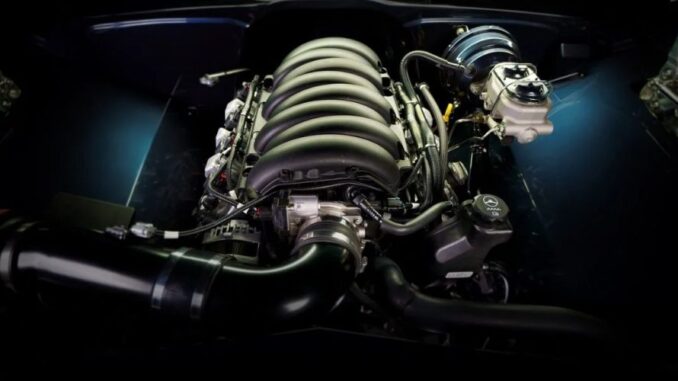

Are tariff concerns an excuse for a price hike, particularly for crate engines, or just another burden on small businesses?
No matter what industry you’re in, it seems like all of the talk lately has been about the tariffs proposed by President Donald Trump. The potential of these tariffs are far-reaching and not fully understood. Recently, we’ve been seeing some smaller aftermarket companies announcing small price hikes – around 10% or so – in response to alleged price hikes by GM and Chevrolet Performance Parts.
Both KillerCrate and Donath Motor Works have posted about a 10% price increase on parts and complete engines to account for this price hike. KillerCrate has clarified that these price increases will not affect in-stock parts and engines that landed before the tariffs took effect. Per NBC News, these tariffs are likely to effect small businesses, like engine builders and smaller speed shops, in a profoundly different way than larger volume retailers like Wal*Mart and Amazon.
Smaller retailers don’t buy – and sell – in the larger quantities that the high-volume retailers do. They don’t see the same discounts as these big sellers when they ony buy a few of each item here or there for their customers. To compete with the discounted prices of these volume dealers, they operate on razor-thin margins. They simply cannot absorb the costs of these tariffs.
I reached out to some aftermarket companies I know, and the only response I recieved was from someone at Summit Racing. My source stated that there has been very little internal chatter about price changes from GM, but it’s possible that price hikes have happened. My source doesn’t handle pricing, but they work with the products every day and haven’t seen any price changes on the front or back end.
While it’s possible that a larger supplier like Summit Racing is willing to absorb the cost of these tariffs, this entire conversation begs two important questions. First, how legitimate are these price increases? Are they really happening? Secondly, how substantial is the foreign parts content to impact GM Performance engines and components to such a degree?
Not all sites list country of origin, and the ones that do list these parts as being made in the USA. It’s possible, then, that the raw materials to make these parts were imported, and if that’s the case, we may never know the full story. The automotive aftermarket, much like the manufacturing landscape at large, is much more complex than it was 50 years ago. The “all American” parts you’re installing in your latest build may not, in fact, be all American.
Photo: Chevrolet
Leave a Reply