



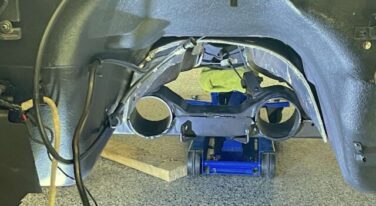
X’s and O’s: Building A C2/C3 Corvette Removable Transmission Crossmember
Doing a transmission R&R on a C2 or most C3 Corvettes with a stick-shift gearbox is a royal pain in the you-know-where.
Doing a transmission R&R on a C2 or most C3 Corvettes with a stick-shift gearbox is a royal pain in the you-know-where.
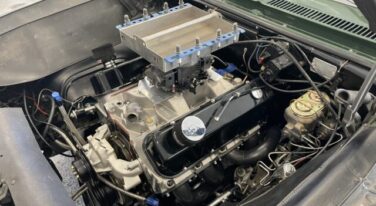
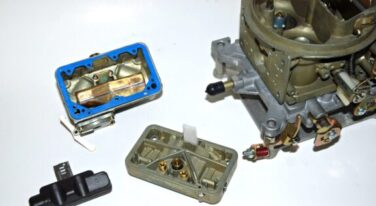
Last issue, we presented a half dozen little ignition tune-up tips. They’re all “old school” tech that has worked for decades. This time around, we’ll do the same thing for Holley carburetors.
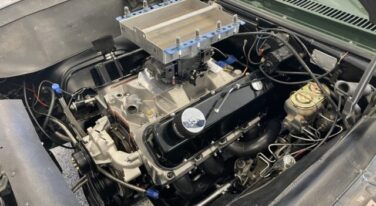
While all of today’s cars are computer-controlled, there are still a few of us “antiques” out there who deal with the cars and parts of yesteryear.
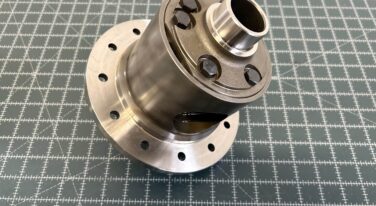
It’s no secret that an open differential (fondly referred to as a “peg leg” in some circles) just doesn’t cut it in a high-performance application. Having one tire go up in smoke while the other does nothing won’t get you down or around the track in short order. That’s why spools and positractions are so common in motorsports.
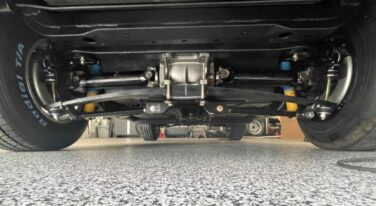
When left you in the last article in the series, we showed how Van Steel (website: www.vansteel.com) stripped the C3 Corvette rear end center section, in preparation for blueprinting along with the install of 30-spline stub axles (Chevy calls them “Side Gear Yokes”).
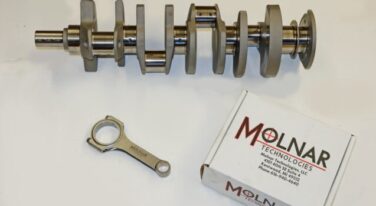
When we left you the last time around, we presented a dozen different fast facts on connecting rods, crankshafts and associated components.
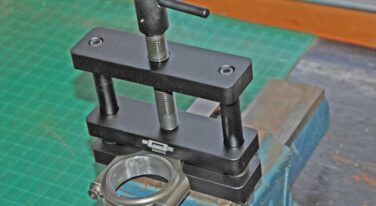
A rod vise can be key to fixing multiple connectors for your engine.
Pin the throttle, dump the clutch, hang on. The car hooks and rockets forward. Then, just as you’re watching the tach as it bends toward the redline, the thing noses over
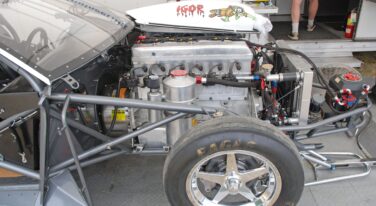
Assume you have a custom-built car you’re working on. Assume you have an engine. At some point you have to mix the two together. No big deal right? Probably not.
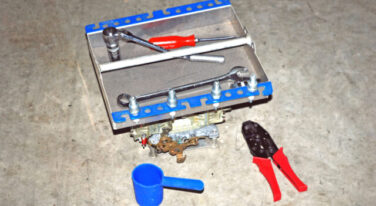
It’s no secret my background was drag racing, and I’ll be the first to tell you that most sharp weekend warriors (and even many seasoned racers) don’t like taking all of their tools to the track.