



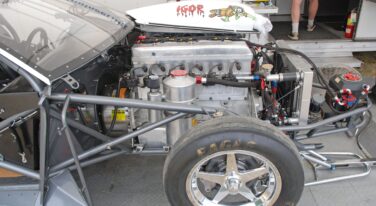
Dropping the Engine: When Side Mounts Won’t Work
Assume you have a custom-built car you’re working on. Assume you have an engine. At some point you have to mix the two together. No big deal right? Probably not.
Assume you have a custom-built car you’re working on. Assume you have an engine. At some point you have to mix the two together. No big deal right? Probably not.
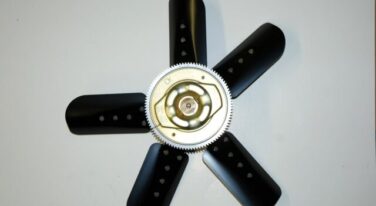
In the hypothetical world, a fan wouldn’t be required if your car was constantly driven at high speeds (definitely an interesting concept, but not too practical).
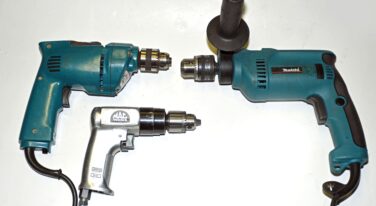
Drilling through hardened steel doesn’t have to be impossible.
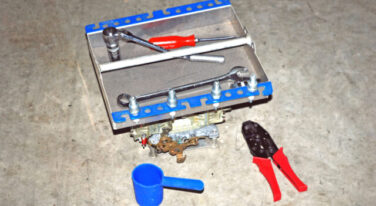
It’s no secret my background was drag racing, and I’ll be the first to tell you that most sharp weekend warriors (and even many seasoned racers) don’t like taking all of their tools to the track.

From building high-performance engines to perfecting your paint job, our Top How-To Stories of 2024 showcase the most popular and practical guides of the year.
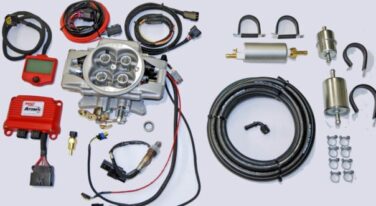
When we last left you, we were deep into the workings of MSD’s entry level Atomic EFI. If you recall, we showed how simple the system is to work with, and how easy it is to install.

EFI has been around for decades in production line cars and it’s been available over the counter as a retro fit for considerable time, but there are still plenty of us out there who are spooked by the systems and we tend to stick to carbs.
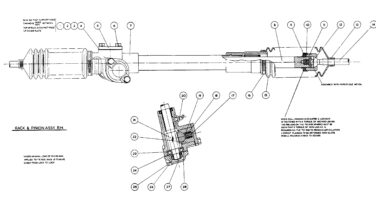
Part two of this exploration of steering racks, focusing on the rack and pinion steering.
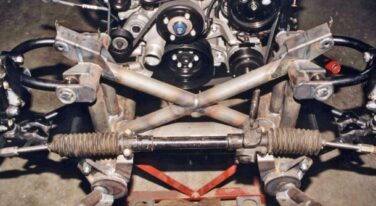
Race cars, modified street cars and hot rods are pretty evenly split between cars with rack and pinion steering and those with old school recirculating ball steering boxes. What’s the difference between racks and steering boxes?
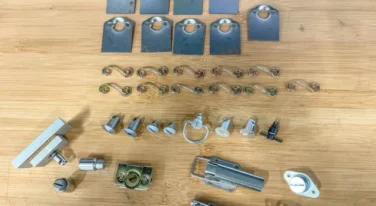
In a previous issue, we looked at the most common Dzus fasteners. But that’s not the end of it. There are numerous other configurations available when you’re shopping for quick release hardware.