The Kyle Larson Waiver Decision: A Move Driven by Money and Optics

In an Attempt To Recover the Golden Age of NASCAR, the Rulebook Is Getting Set Aside
The recent decision by NASCAR to grant Kyle Larson a waiver allowing him to remain eligible for the playoffs despite missing the Coca-Cola 600 has sparked considerable debate within the motorsports community.
NASCAR Senior Vice President Elton Sawyer discussed the unprecedented nature of Larson’s situation and the considerations that went into the decision, but many aren’t happy.
On the surface, NASCAR claims Larson made every effort to race and the situation was out of his hands, meaning he did what he was expected to do.
And while the decision seems to be a good move for someone who’s bringing a lot of attention to the sport with his double-dipping, a deeper examination reveals a more pragmatic motivation: NASCAR desperately needs Kyle Larson in its fight to regain relevance and the money that comes along with it.
Why the Golden Boy, Had To Be Saved

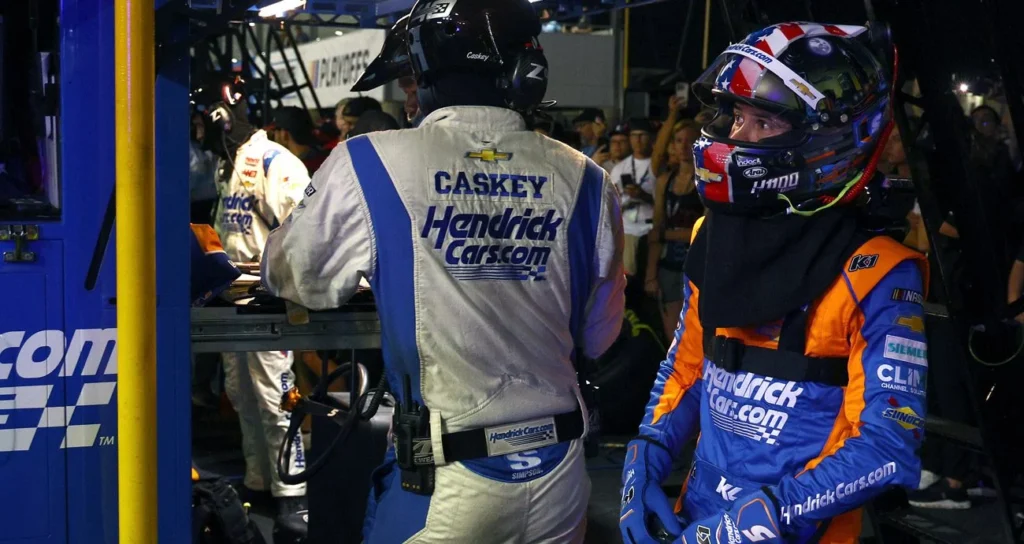
Kyle Larson is not just any driver; he is one of Hendrick Motorsports and NASCAR’s premier talents and a significant draw for fans. His success on the track, clean reputation, easy-going nature, and generally likable personality have made him a fan favorite and a valuable asset for NASCAR.
With two Cup Series wins already this season, Larson’s presence in the playoffs and eligibility for the NASCAR Cup Series title would be a must-have for America’s premiere racing series.
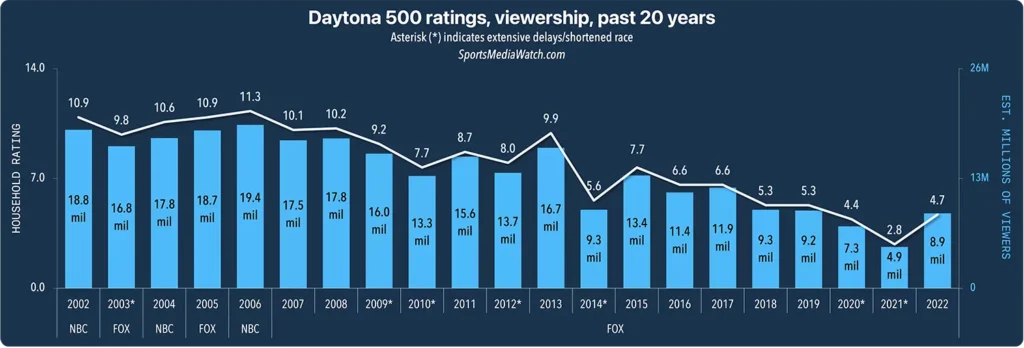
Maintaining viewer interest and pushing higher ratings is simply a non-negotiable for the brand, which is still scrambling to recapture the absolute fever grip that it held on the nation in the 1990s and 2000s. Many (including NASCAR itself) thought NASCAR’s cultural zeitgeist would remain a permanent fixture, but ultimately, it wasn’t to be.
On top of that, NASCAR simply grew too big too soon, and much like a clueless 24yo, it was left with the bill, wondering where its date had run off to.
But NASCAR still has high hopes that it can dig itself out of its hole, and having a driver of Larson’s caliber sidelined due to a missed race would be a massive loss to that cause.
The Financial Imperative
NASCAR is a business, and like any business, it must prioritize its financial health. The playoffs are a critical period for the sport, attracting significant sponsorship and media attention and high-profile drivers like Larson drive up ratings, attract sponsors, and generate revenue.
Denying Larson a playoff waiver could have led to diminished interest in the playoffs, negatively impacting television ratings and sponsorship deals.
In a sport where financial margins can be razor-thin, every viewer counts, and every star driver contributes to the bottom line.
Optics & Fan Engagement
Beyond the financial considerations, NASCAR’s decision to grant Kyle Larson a waiver was a strategic maneuver aimed at preserving its image and fanning the flames of social media engagement.
By allowing Larson to remain in the playoff picture despite missing the Coca-Cola 600, NASCAR again showed its commitment is primarily to its bank account, which undoubtedly would have been hurt by a Larson-les playoff.
NASCAR understands the importance of maintaining a positive public perception and fostering strong connections with its fanbase to ensure sustained interest and enthusiasm for the sport.
History of Multi-Series Racers in NASCAR Cup Series

The practice of drivers racing in multiple series simultaneously has a rich history in motorsports, dating back to the early days of racing.
Many legendary drivers have showcased their talents across different racing disciplines, seeking to challenge themselves and expand their horizons.
This practice of double-duty racing gained prominence in the latter half of the 20th century, particularly with higher-profile events such as the previously mentioned Indianapolis 500 and the Coca-Cola 600.
Tony Stewart famously competed in the Indy 500 and the Coke 600 in both 1999 and 2001.
Since then, several others have taken a stab at the Indy-Charlotte Double
- Robby Gordon
- John Andretti
- Kurt Busch
- Kyle Busch
However, despite the media attention it brings, NASCAR instituted rules to regulate drivers’ participation in multiple series simultaneously.
It’s simply not a good look to have your best drivers take a break once they’ve locked up a playoff spot or play hooky to race in another series.
But if you’re going to write a rule, you should enforce it.
Unless it affects your wallet, of course.
Ultimately, Larson’s failure to hit the asphalt at Charlotte Motor Speedway has people questioning the sanctity of the NASCAR rule book.
Kyle Larson Grants NASCAR a Relevance Waiver…
The decision to grant Larson a playoff waiver, allowing him to compete in the playoffs despite missing the Coca-Cola 600, reflects NASCAR’s complex balancing act between maintaining competitive integrity and safeguarding its financial interests.
While the merits of the decision can be debated, it is likely that monetary concerns and optics played a significant role.
Ultimately, the move allowing Larson to remain playoff eligible ensures that both the sport’s financial health and fan interest remain intact.
He’s one of the most popular drivers in the sport right now and NASCAR is desperate for titanic personalities like the Dale Earnhardts, Jeff Gordons, and Tony Stewarts of the ’90s and 2000s. They need him to be successful.
Don’t mistake this as a NASCAR hit piece. But let’s be honest about this situation.
NASCAR isn’t bailing out Kyle Larson.
Kyle Larson is bailing out NASCAR.

Photos: NASCAR, Sports Media Watch