When we last left you, we laid out the beginnings of our 40-shop safety tip series. While it’s likely far more fun to discuss the latest and greatest go-fast parts and technology, there’s no question safety in the shop is necessary. Afterall, it’s tough to work when you’re banged up, bandaged up and stitched up. We’ll bet plenty of you have experience in that regard (me too!). So with that out of the way, here’s our second installment:
* ( BONUS TIP)
Click Here to Begin Slideshow
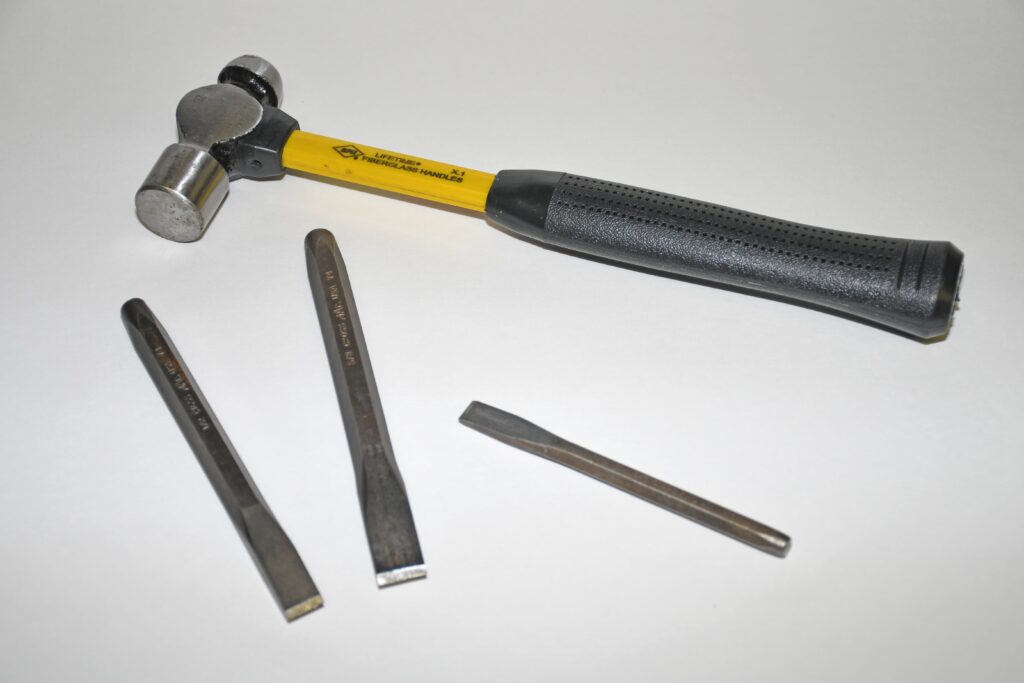
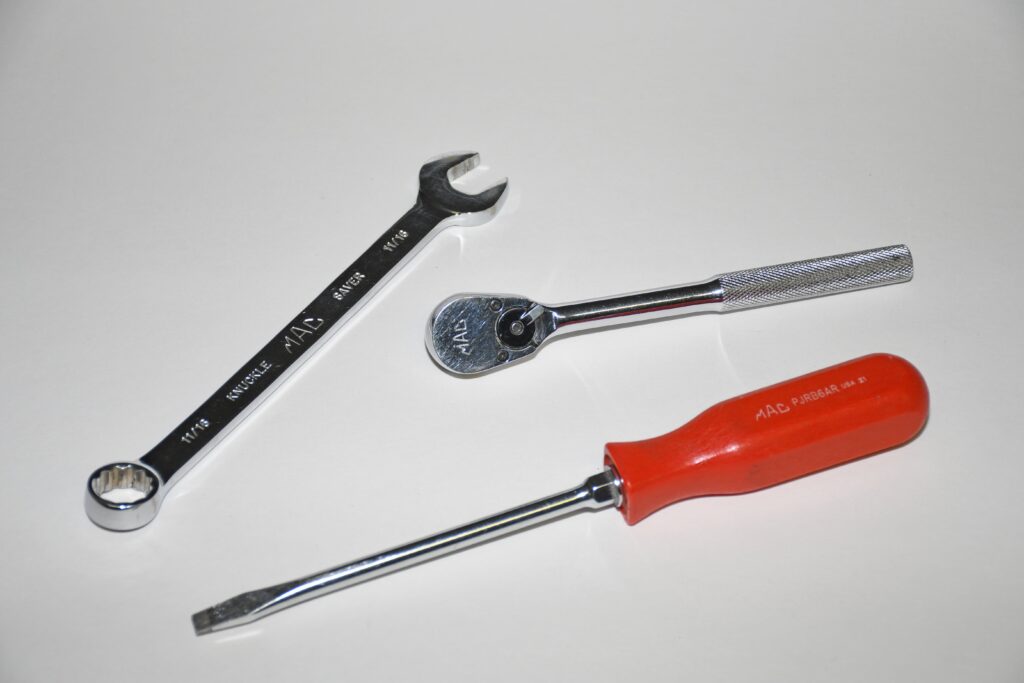
Always use the appropriate tool for the job. When you’re in a hurry, it’s easy to use a wrench or ratchet as a small hammer or to use a screwdriver as a pry bar. Unfortuntely, these tools aren’t designed for those jobs. The consequences might not be pretty for the tools or for you.
*RUST RESPIRATOR:
When spraying rust-prevention products or paints (for example, POR-15), be absolutely positive you use a filtered respirator. These rust treatments can react with moisture (your lungs). Not good for your health.
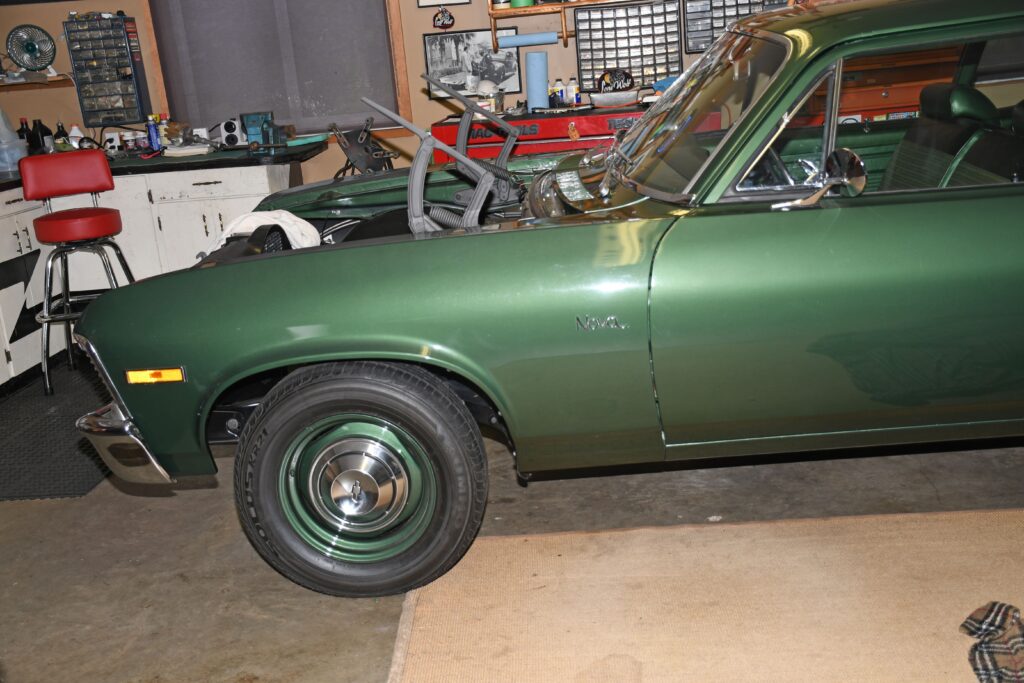
When working on a car, ponder an “escape route”. Why is this important? First, think about a fire. If you’re using a torch or working on a running engine, there’s a chance you can cause a fire. Can you get out? Can you get the fire out? The same applies if you’re under the car and heaven forbid, a jack stand fails. Think about how you can lessen the danger before you crawl under it.
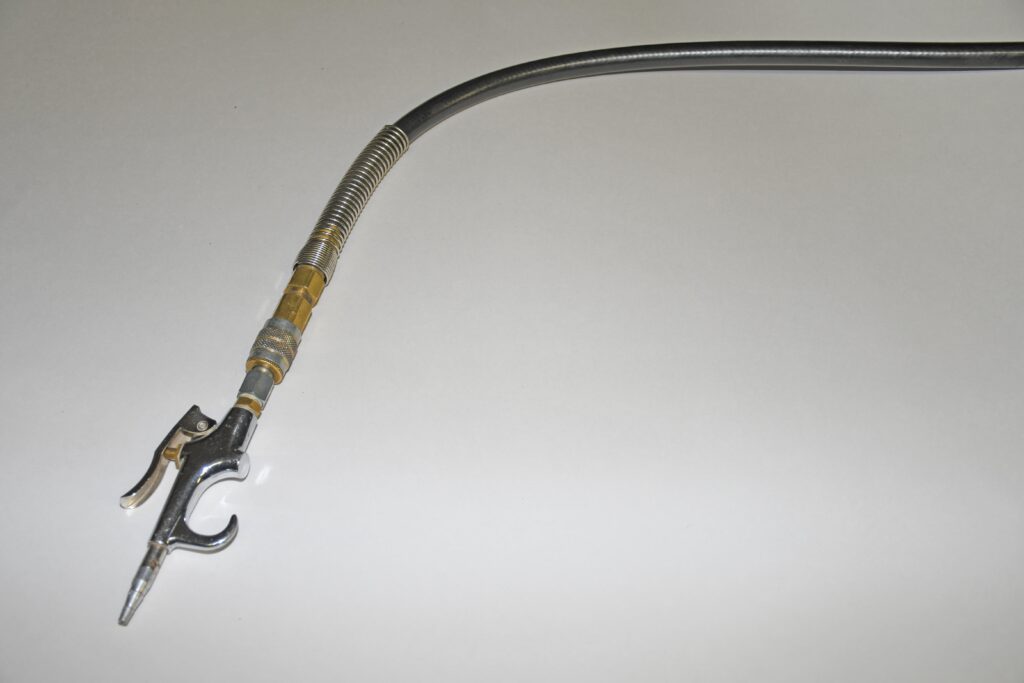
It’s a good idea to regularly inspect compressed air hoses prioer to use and always replace cracked, worn or frayed hose. When blowing dust and dirt from parts and the work area, reduce compressed air below 30-PSI. Alothough we all do it, you shouldn’t use compressed air to clean yourself or your clothes.
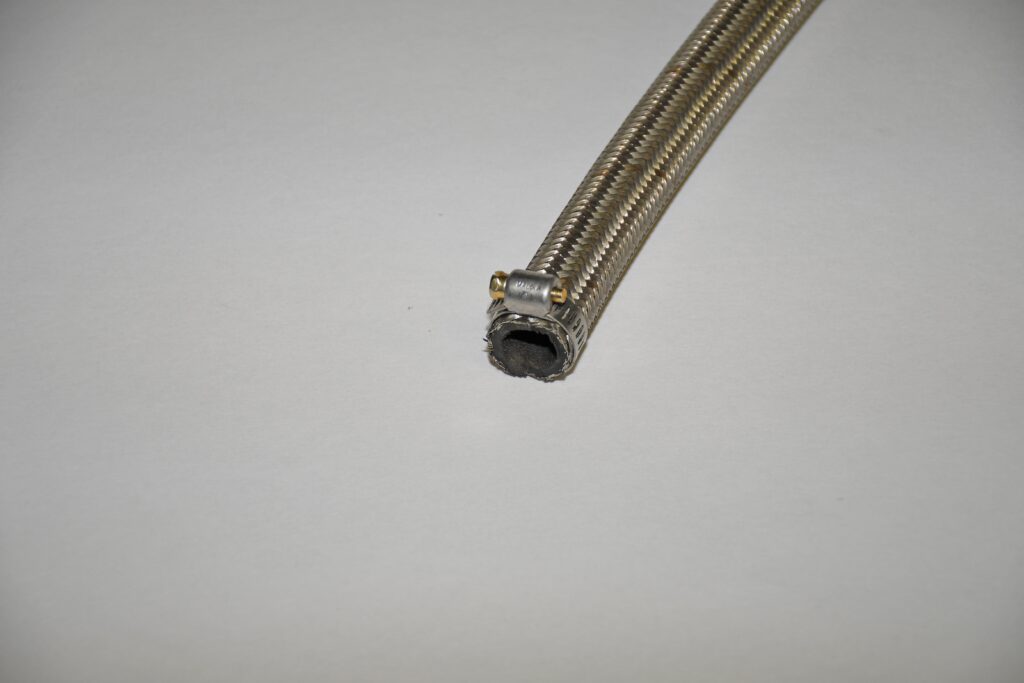
When working on braided hose, you’ll often find the end of the wire braid can become frayed. If that happens it becomes a real chore (and a lot of accompanying physical pain) to fit the frayed ends inside the fitting. The fix is to add a small hose clamp over the frayed end. Tighten the clamp and the wire braid will shrink sufficiently to fit itothe hose end. Once you get the hose end started, remove the clamp and continue with the assembly process. This tip regularly saves on Band Aids!
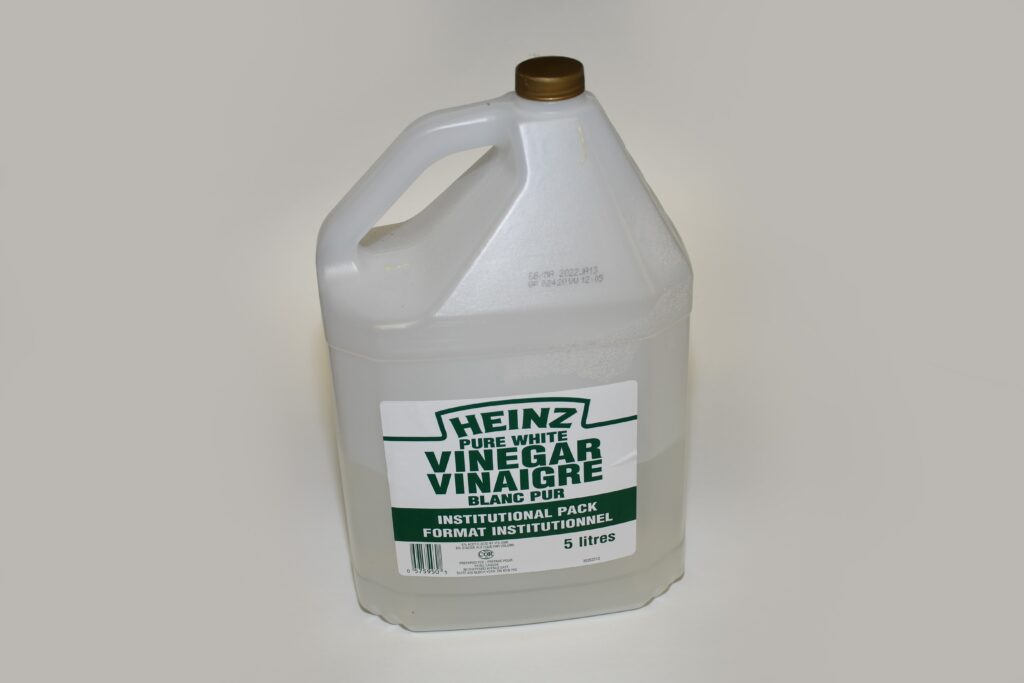
Silicone-based lube can be nice to have around (aside from inside a body shop!). Unfortunately in liquid form (or in a product that contains a small amount of it), a spill on the shop floor will forever be slippery. The fix is to spray good old fashioned vinegar over the contaminated area. It neutralizes the silicone.
*EXPLOSIVE BEHAVIOUR Should you decide to paint something in your garage (a part or two or perhaps a complete car), be positive to extinguish all flames and that includes all pilot lights before the spray job starts (for example the pilot light on a gas hot water heater). Atomized paint pretty much explodes when exposed to an open flame, and the flames can spread rapidly.
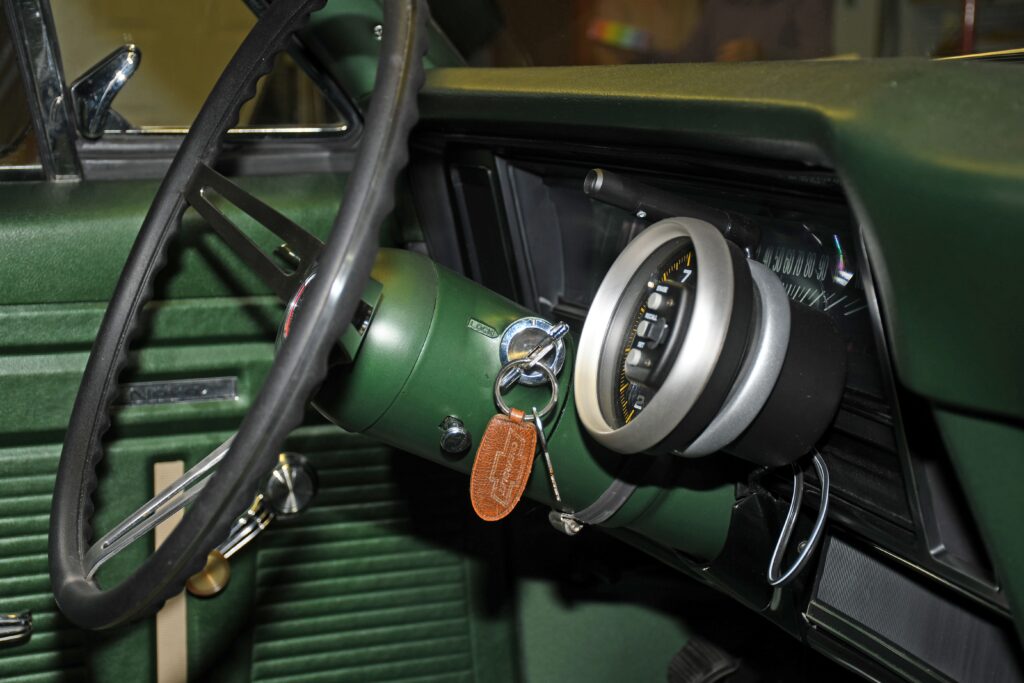
Always remove the key from the ignition switch. If it is there and it somehow is left “on”, you run the risk of getting a jolt when working on the car. No secret we’re sure! Besides, it saves shorts or electrical spikes that can damage expensive electronic components.
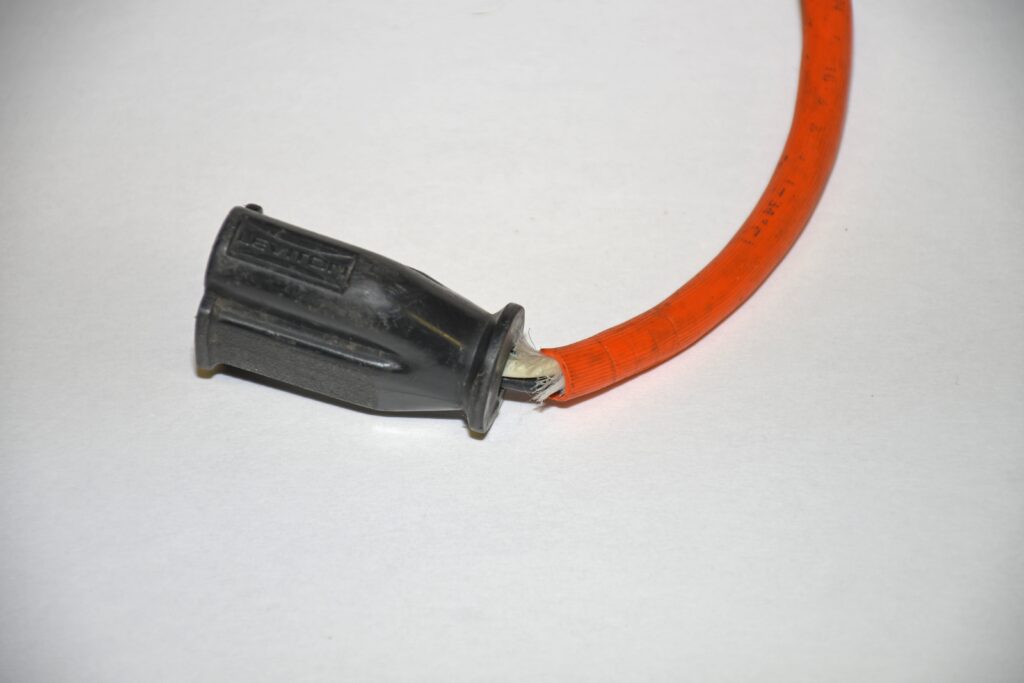
Repair or get rid of any frayed electrical cords that have seen better days. They’re both a shock and a fire hazard. On another note, don’t overload garage outlets with muliple devices that are charging. Be diligent.
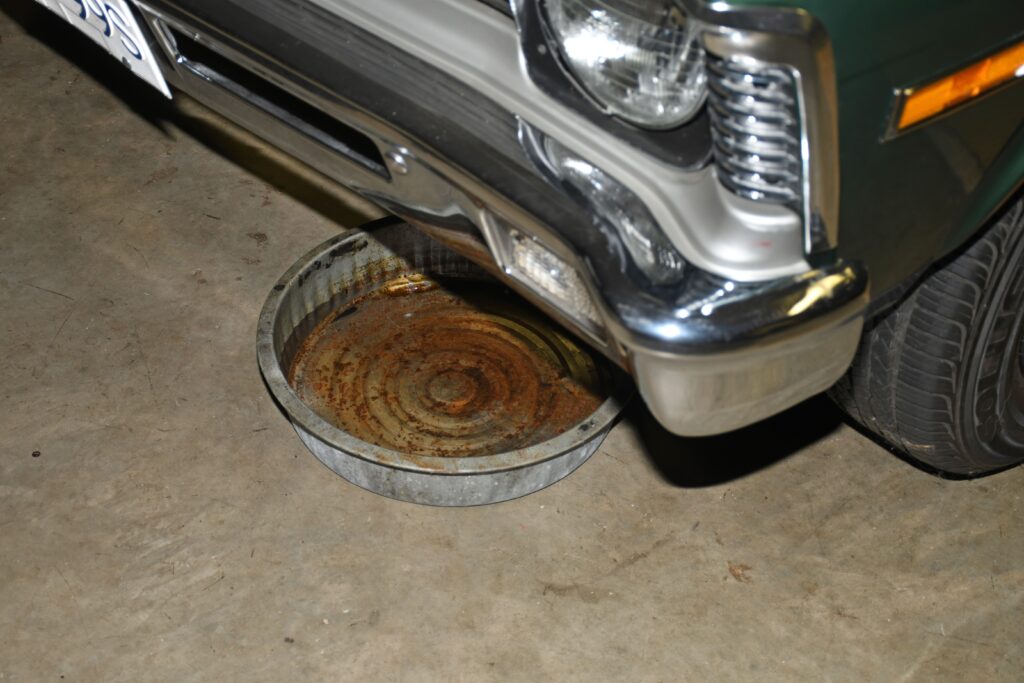
If you’re draining engine coolant (antifreeze), treat it for what it is, a hazard to the health (and often life) of both humans and animals — especially if digested. Be certain to dispose of the stuff properly.