Recent Accidents Highlight the Importance of Safety


Two recent drag racing accidents have placed a highlight on safety once again.
John Force’s horrifying crash at the NHRA Virginia Nationals and the tragic loss of Top Sportsman driver William Janke at an NHRA Lucas Oil Regional Series event have forced us to acknowledge the risks inherent in our sport. When it comes to auto racing, it’s far too easy to take the safety advancements of the past quarter century for granted. Each and every year, we have a better understanding of what it takes to make our machines faster, as well as what it takes to keep us safe when things inevitably go wrong.
While racing can be safer, it will never truly be safe. At the end of the day, you are still strapping yourself into a tin can filled with explosives and piloting it at dizzying speeds mere inches away from your competition, sometimes for hours on end.
For some, that thrill is part of the allure. The ability to control something so dangerous – and do it better than anyone else – maintains an unwavering appeal.
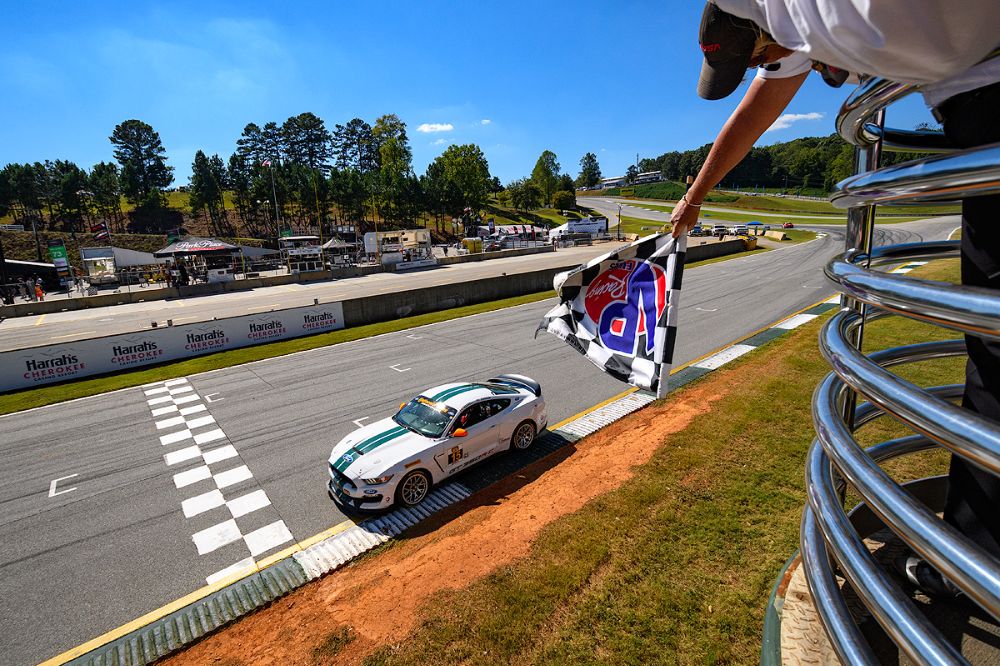

While car control is probably the most basic principle of racing, you are never truly in control of the situation at large. There are simply too many variables – anything can happen at any time. Sometimes, it seems like the weirder and more implausible a situation is, the more likely it is to happen. Think of it as the most extreme application of Murphy’s Law. Racers have a saying for it – “That’s racing.”
It’s understandable to have a somewhat opti-pessimistic view of the myriad things that can go wrong when it comes to mechanical failures, questionable pit strategy, rotten weather, or just plain bad luck. Understanding that some things are beyond your control is a key to remaining motivated when things inevitably go poorly on the track. However, there is no reason to be so blasé about safety. While you can’t control what happens on the track, you can prepare for unusual situations to the best of your abilities. Thankfully, there are many ways you can protect yourself.
Do Your Homework
For starters, let’s talk about facility and event safety. Admittedly, this is the aspect of safety that you have the least amount of control over. Facilities have a responsibility to ensure that barriers are constructed in a way that protects both drivers and spectators. They ensure that the track surface is free of obstructions or damage that would send cars careening out of control. Even the places where racers and safety vehicles enter and exit the track surface are carefully planned to keep folks safe. Emergency services are provided on site with the ability to deploy to crashes in seconds.

Similarly, the sanctioning bodies organize these events in such a way to ensure that there are rules that are enforced throughout the event. They hire staff to police these rules to make sure that everyone gets home safely. Even scheduling can be a safety issue – if things are rushed, safety is often the first thing that falls by the wayside. Do your research on both the track and the sanctioning body ahead of time and make sure that you feel comfortable with the event and where it’s held. In the case of both recent events, both the sanctioning body (NHRA) and the track staff made proper preparations to ensure that the drivers received help quickly when the incidents occurred.
Next up is vehicle safety. The sanctioning bodies mentioned above all have rulebooks, and those rulebooks are often thick, filled with detailed rules about everything from fuel cell size and location to the thickness of the plexiglass windows in your race car. These rules serve two purposes – to keep the competition close, and to keep you safe. Many of us are DIYers, and we take great pride in doing things ourselves. However, when it comes to safety, it’s important to know when to call in the big guns.


Roll cages must be carefully engineered to withstand severe impacts. It’s important to consult experts in this field when it comes to design. Even if the design is structurally sound, it can be let down by poor quality materials or bad welds. Unfortunately, you typically don’t find out that a mistake was made until it’s too late. The same goes for seat mounts, fuel cells, and fire suppression systems. Don’t be afraid to farm this out to a quality shop who specializes in this kind of work – your life may depend on it.
Take Safety Seriously
When serious drag racing accidents occur, the focus is typically placed on the track and the event itself. In these cases, it seems that the sanctioning body and track did everything they could. They may update requirements for roll cages, seat mounts, and harnesses. In the Janke crash, it’s alleged that the roll cage may have failed on impact, ejecting Janke from the vehicle. The NHRA has not yet made a statement about these concerns, but we expect they will after thorough investigations into both incidents have concluded.

Lastly, there’s personal safety – the stuff you wear. Beyond your helmet and fireproof racing suit, you’ve got gloves, shoes, socks, and even underwear. It’s worth it to buy the good stuff. You’ll be safer and more comfortable, too. A racing instructor once told me “A $100 helmet is fine if you’ve got a $100 brain.” Point taken. At a minimum, your helmet should fit snug and be free from damage. The same goes for all of your safety gear. Take good care of it, and inspect it thoroughly after each event. Also, be careful when cleaning your fireproof clothing, as it’s entirely possible to reduce or even eliminate the fire suppressing capabilities with most traditional laundry detergents.
This guide isn’t meant to be exhaustive, but we hope it’s a good refresher and food for thought. When you plan a weekend of racing, the excitement can easily overwhelm you and it’s easy to forget just how dangerous this sport is. Always take a few moments to think about safety. See you at the track.
Photos: Ford