How to Buy a Project Car
You’ve been scrolling through RacingJunk.com and someone finally has the car of your dreams, except that it isn’t running; it’s a project car. How should you approach getting into another project? Here’s a list of ten tips to guide you along the way.
1. Why is it a project car? Projects start from bad head gaskets, blown engines, or slipping transmissions. At one point in the car’s history, the owner decided to stop driving it. Find out why, if it’s not posted in the ad. Some project cars are bought and sold as projects without ever returning to the road.
2. Set a budget for your project. This can be difficult because of all the little add-ons and tiny pieces that make the car complete. Research the costs of anything extra (outside the main issue) and decide if the car is worth it. What are you willing to spend, in total, on the car?

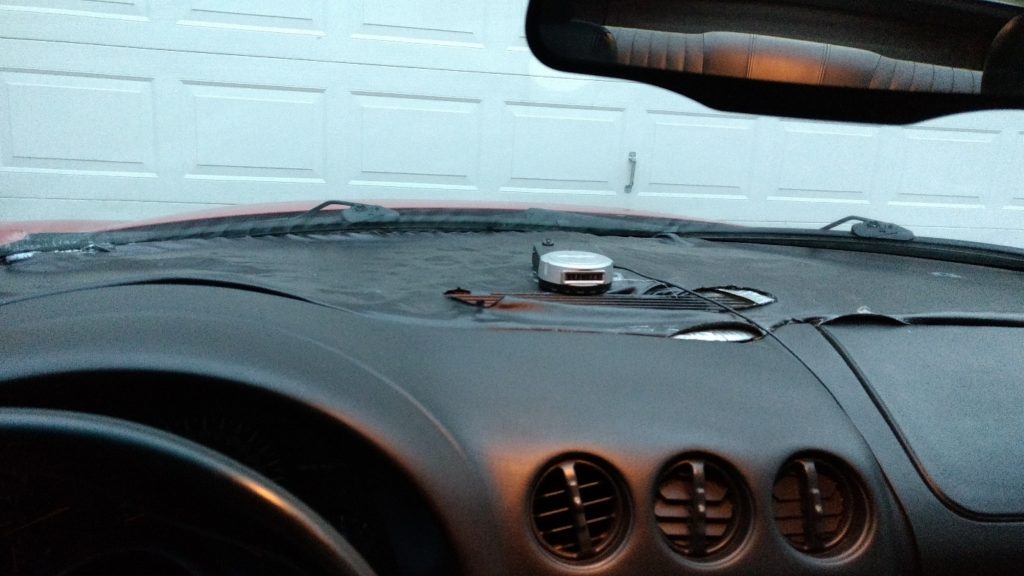
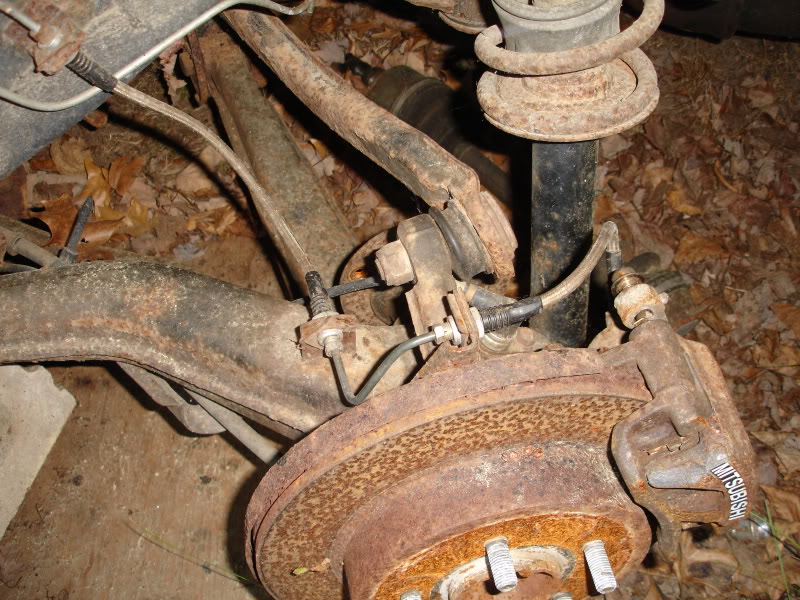
3. How long has it been sitting? This question is really important, because the longer a car sits, the more it needs. Anything longer than a couple of months usually entails a new battery, replacing dry rotted tires, an oil change, new brake rotors and possibly changing out a lot of the other fluids. Not everything needs to be done immediately, but it can be frustrating once the car is yours and the list of repairs becomes endless. Rust is an issue that needs to be found, and its extent determined, immediately.


4. What was the owner trying to accomplish? It’s good to know what the owner had in mind before deciding to sell the car under consideration. Figure out the owner’s purpose and see if it aligns with your needs. If the owner was trying to add a turbo to the car and relocated the battery and wiring harnesses, it’s good to know how and to where they were relocated. Any work completed should be inspected to ensure it was performed properly.
5. If the battery is dead, try to put jumper cables on the car and check the electrical system. Bring an OBD-II scan tool (if applicable) and check for any codes (if possible). Just because the owner states the transmission is “fine” doesn’t mean it didn’t have issues before the engine threw a connecting rod. Don’t get in over your head. Check the operation of the convertible top, wipers, power windows, locks, etc. It might seem “small” if it doesn’t work, but sometimes parts are rare and expensive. Check wiring harnesses for rodent damage.
6. What is unfinished and where do the parts from? A lot of owners exiting a platform will sell a project car with all the parts they have accumulated. Just because a used transmission was good enough for the current owner doesn’t mean it’s going to work for you. Getting all the parts to fix the car is always a bonus, but you need to take into consideration where the parts came from.
7. Try to determine the fault of the major component. If the engine blew because of high mileage, that’s ok. If the engine was still in factory form and the owner added a turbo with 25psi of boost, suspect that there are more problems than simply “a connecting rod.” If the owner reports they don’t know the extent of the damage, assume the worst.
8. Check for any signs of previous bodywork if the owner doesn’t disclose it or does not know. Engine bays, fuel doors and filler necks and inside the fenders are a great place to look for bad workmanship by a body shop. “Fresh paint” can’t add a premium if the job performed was terrible.


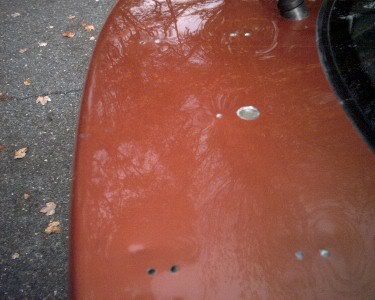
9. Permanent alterations or modifications should be disclosed by the seller, but remember to ask. Did the seller plan on an automatic to manual conversion, but stopped after cutting holes in the floor board/transmission tunnel? What parts of the conversion need to be completed? Don’t buy a project that’s going to create more headaches and problems.

10. Lastly, don’t be afraid to walk away. The worst-case scenario is buying a project car, discovering another major repair is needed, and not being able to afford it, whether with money, time or both. Try to research as much as possible before seeing the car and contacting the seller with any questions that you may have. If you’ve traveled far with a trailer, don’t use that as an excuse to buy. It’s better to be out gas money, than to be out gas money and buying a car that isn’t worth it.