Click Here to Begin Slideshow
Piercing body panels for trim (emblems, moldings, etc.) – how can hard can it be? That’s something that a person in my station in life doesn’t really look forward to (or relish). I’m allergic to pain. And hey, I’m not talking about flesh here. I’m referring to sheet metal. You see, in the course of a restoration (or actually, any different sort of car build), either you or your body and fender man is often faced with the dilemma of drilling holes in pristine sheetmetal. Make a mistake and you’ll be figuring out ways to fill and finish holes (personally, I’d rather go to the dentist).
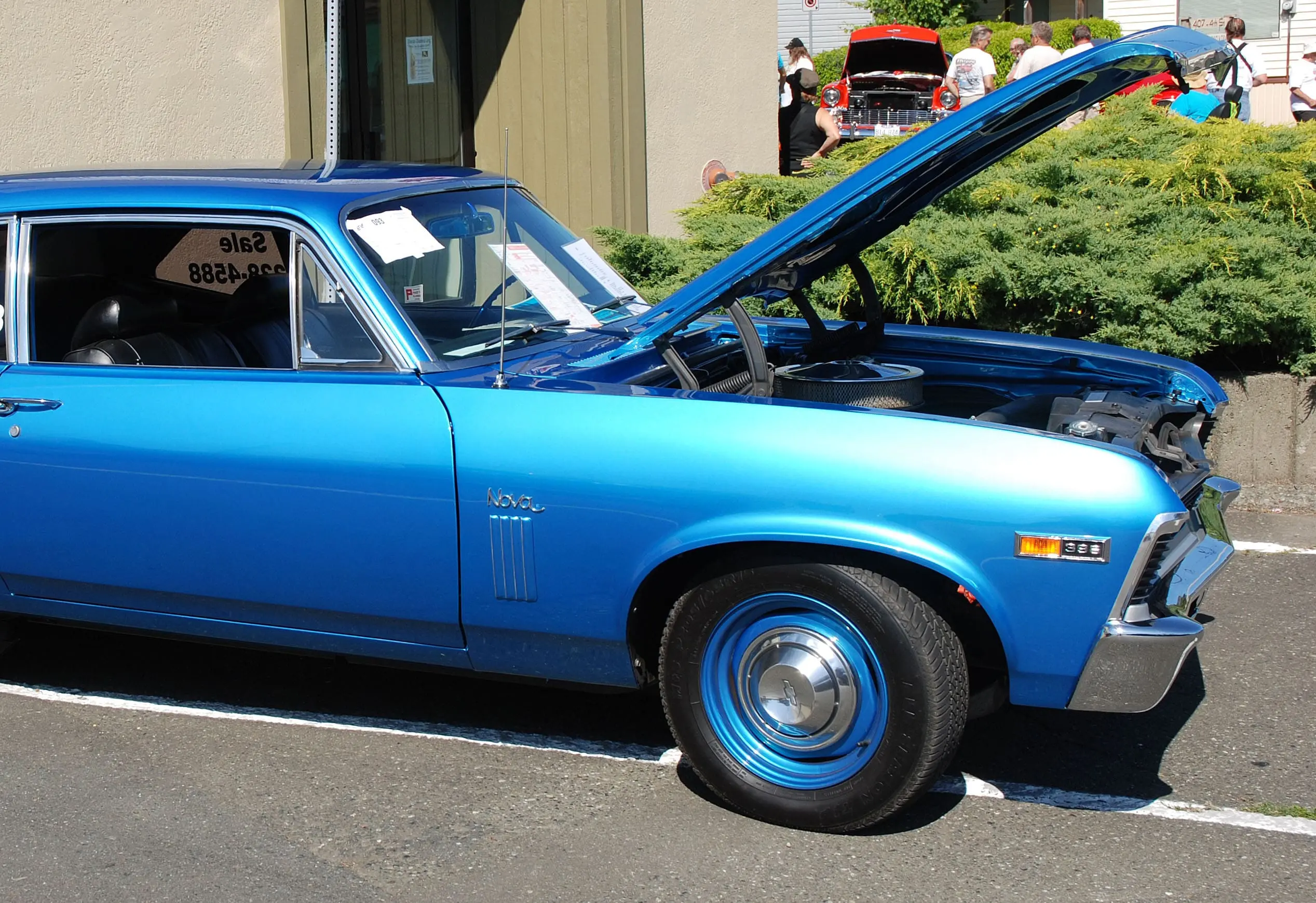
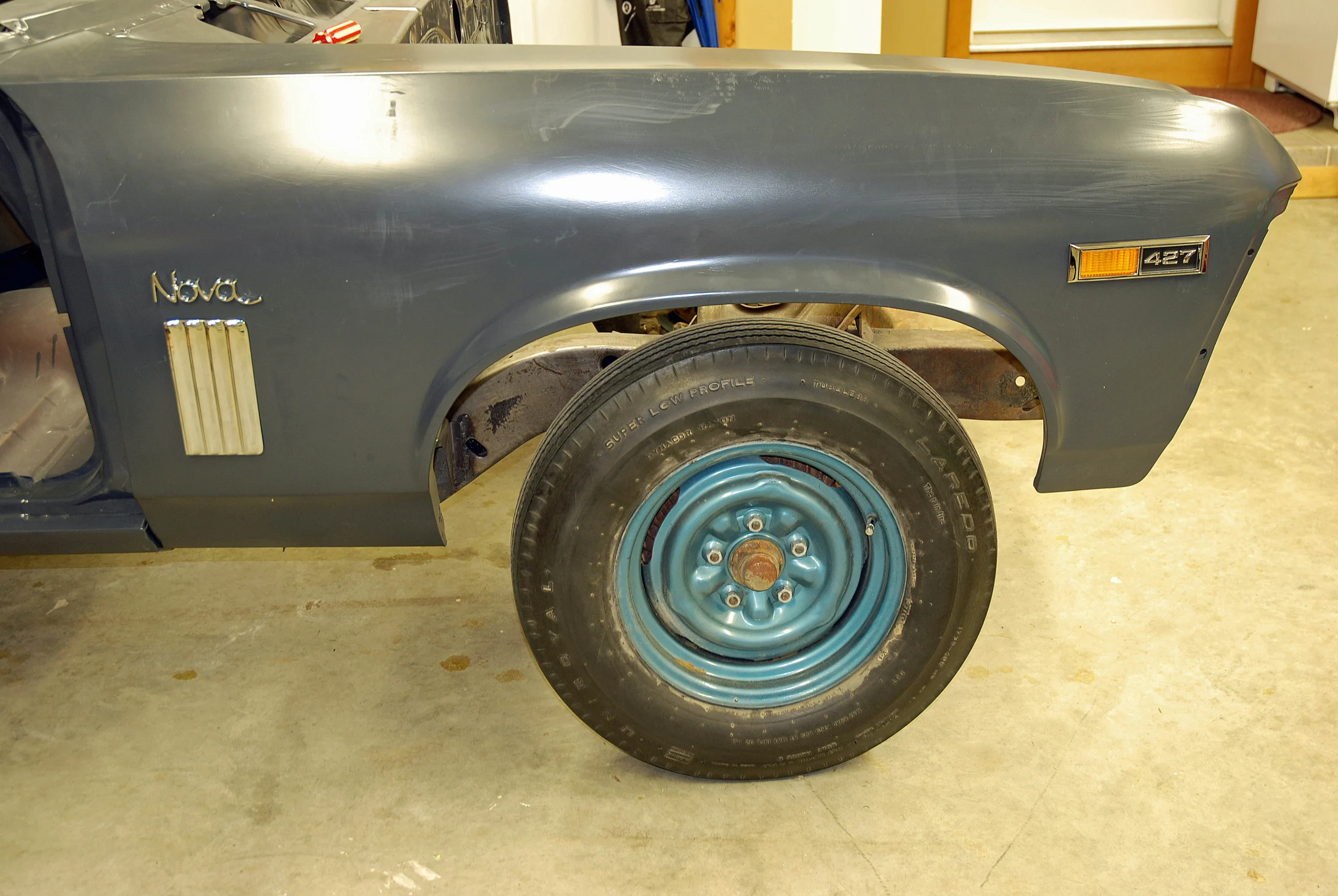
Compounding the problem is the fact replacement sheetmetal usually doesn’t have all of the holes drilled. The same applies to OEM (NOS or vintage) tin. Case in point is the Nova shown in the accompanying photos. The right front fender was an original Chevy piece, but it was from another Nova. It didn’t have the appropriate holes necessary to install the complete side marker lamp bezel. Further back on the fender, the idea was to convert the flanks to accept SS louvers. The holes weren’t drilled for those either. And out back, the plan was to install an SS tail panel (the rear “grille” beneath the decklid). Each of those pieces needed holes drilled. I wasn’t exactly anxious to drag out the air drill but at the same moment paying body shop rates to have holes drilled didn’t seem too appealing either. The solution? Bite the bullet and figure out how to do it myself. Here’s how it went down (and honestly, the pain sure could have been worse). By the way, this article is split into two parts. We’ll show part two down the road:
Click Here to Begin Slideshow
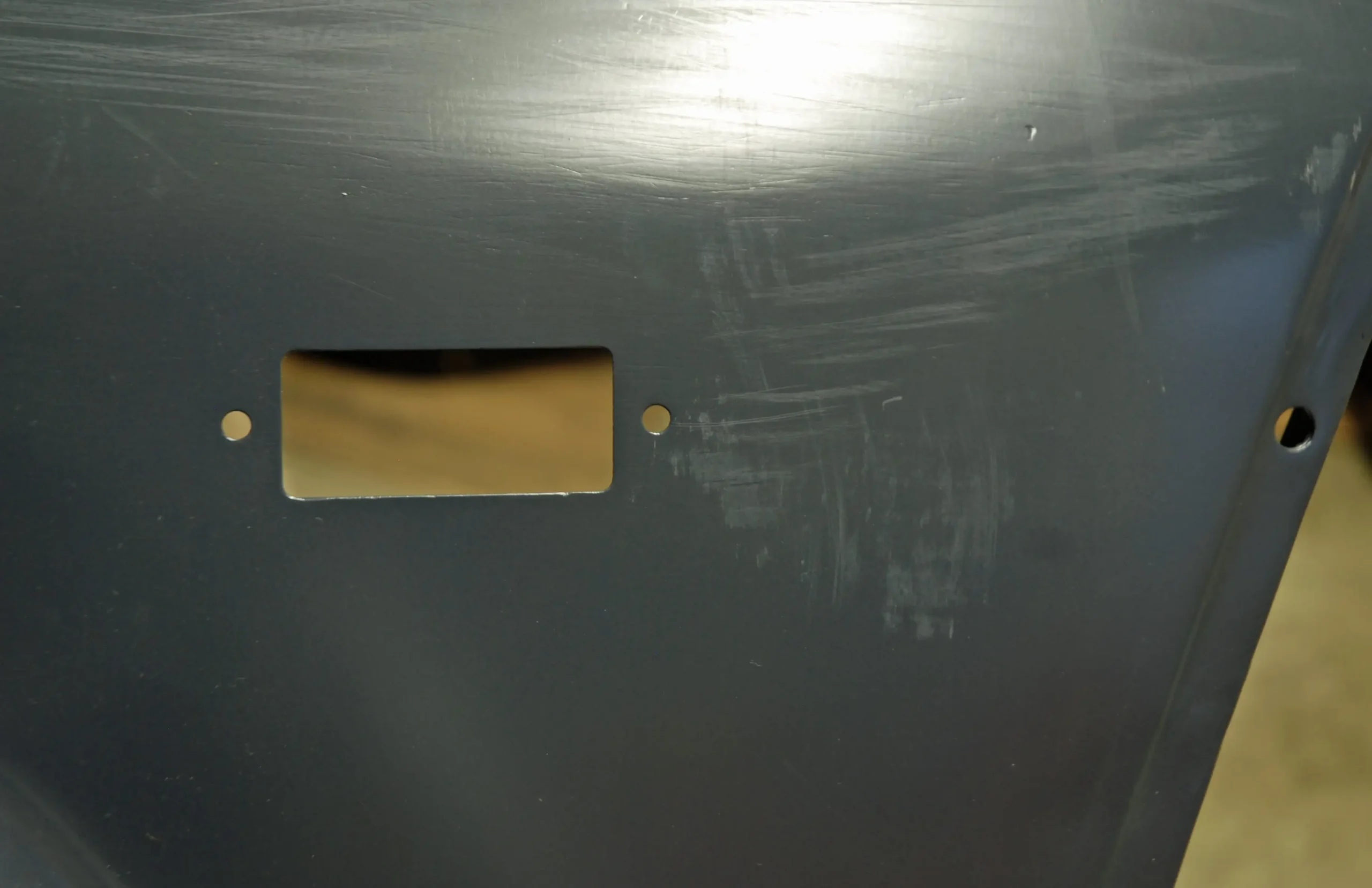
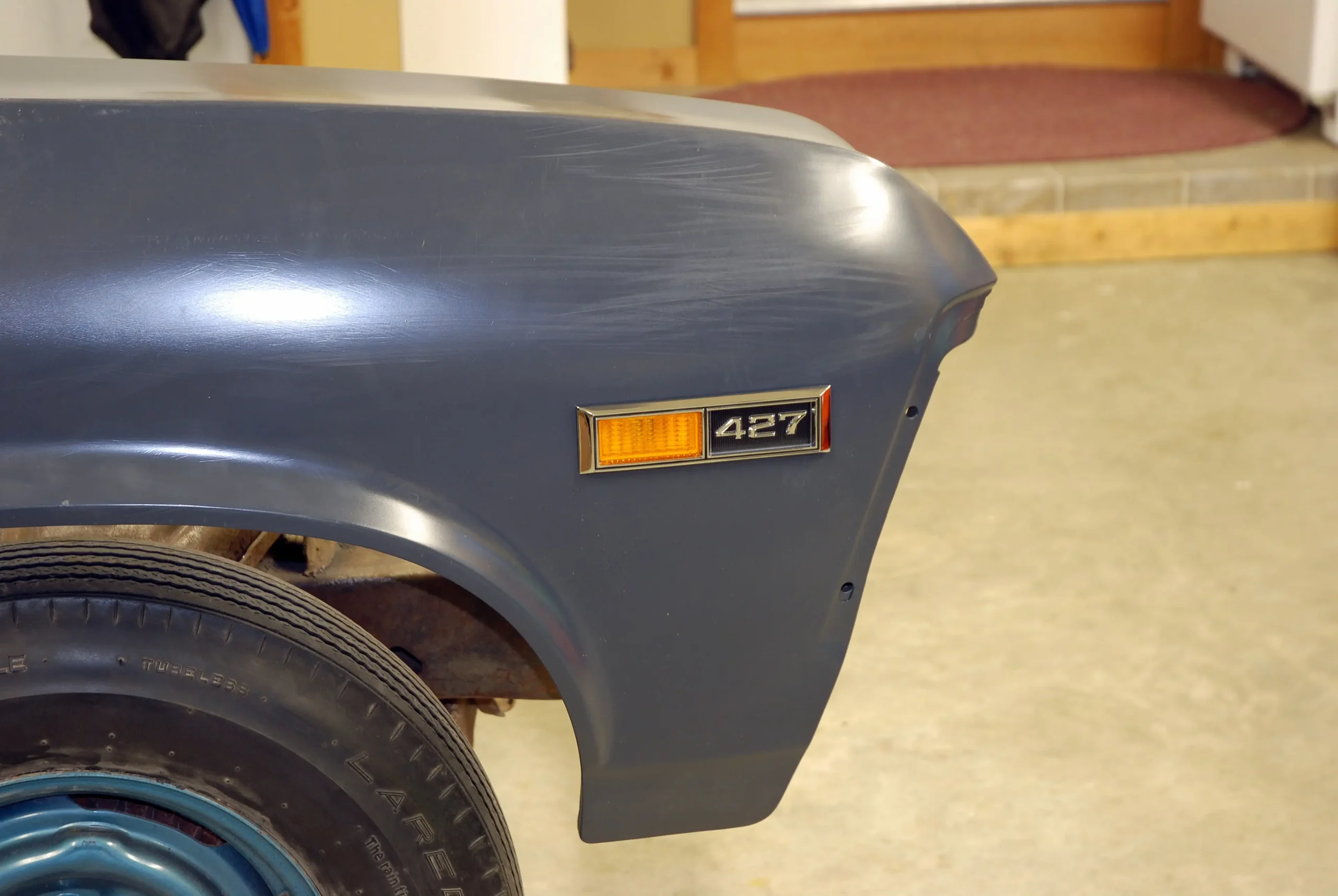
On the nose, the left front fender was damaged. The donor fender section was fitted with a simple side marker light and no engine insignia (six cylinder car). An extra hole was needed.
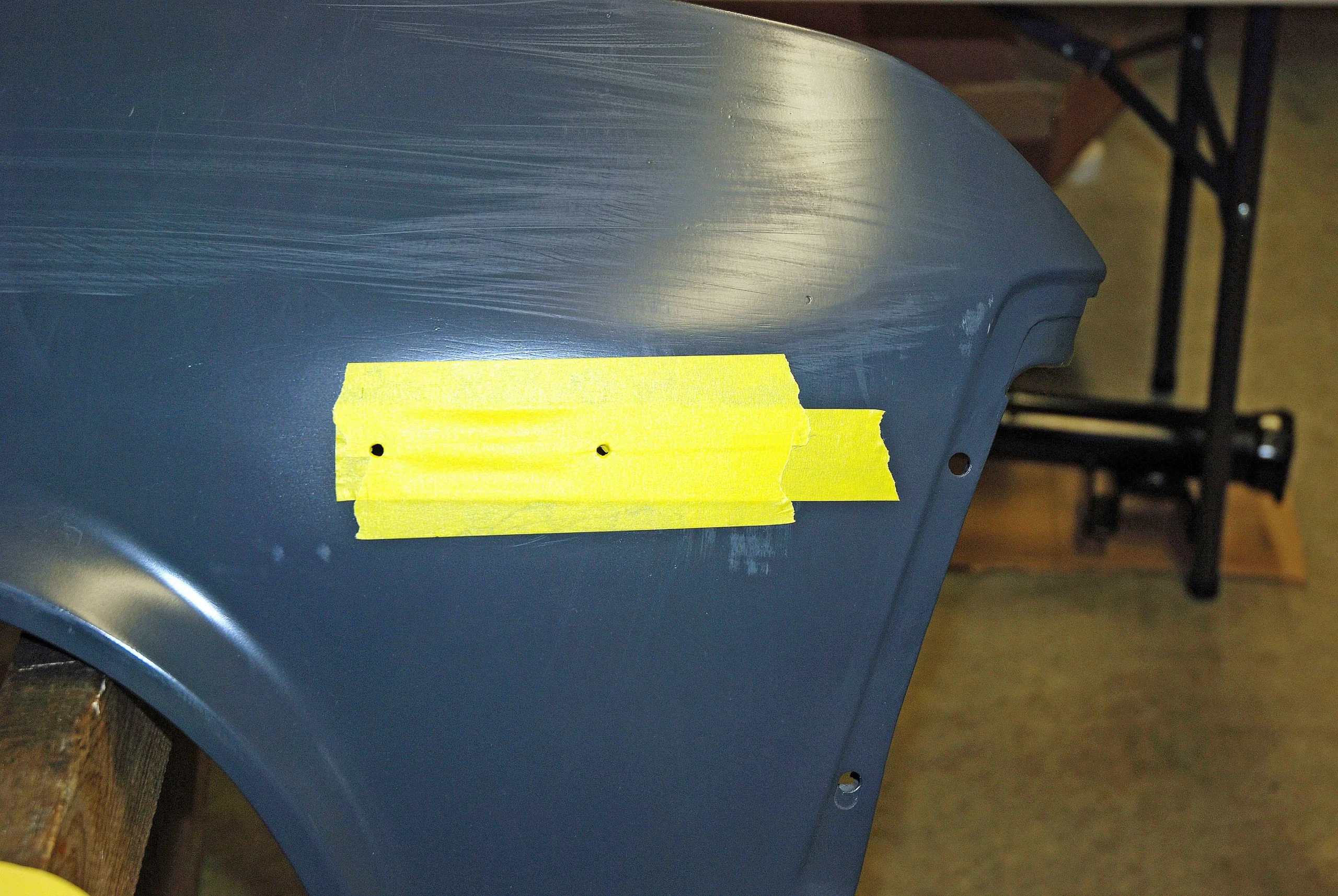
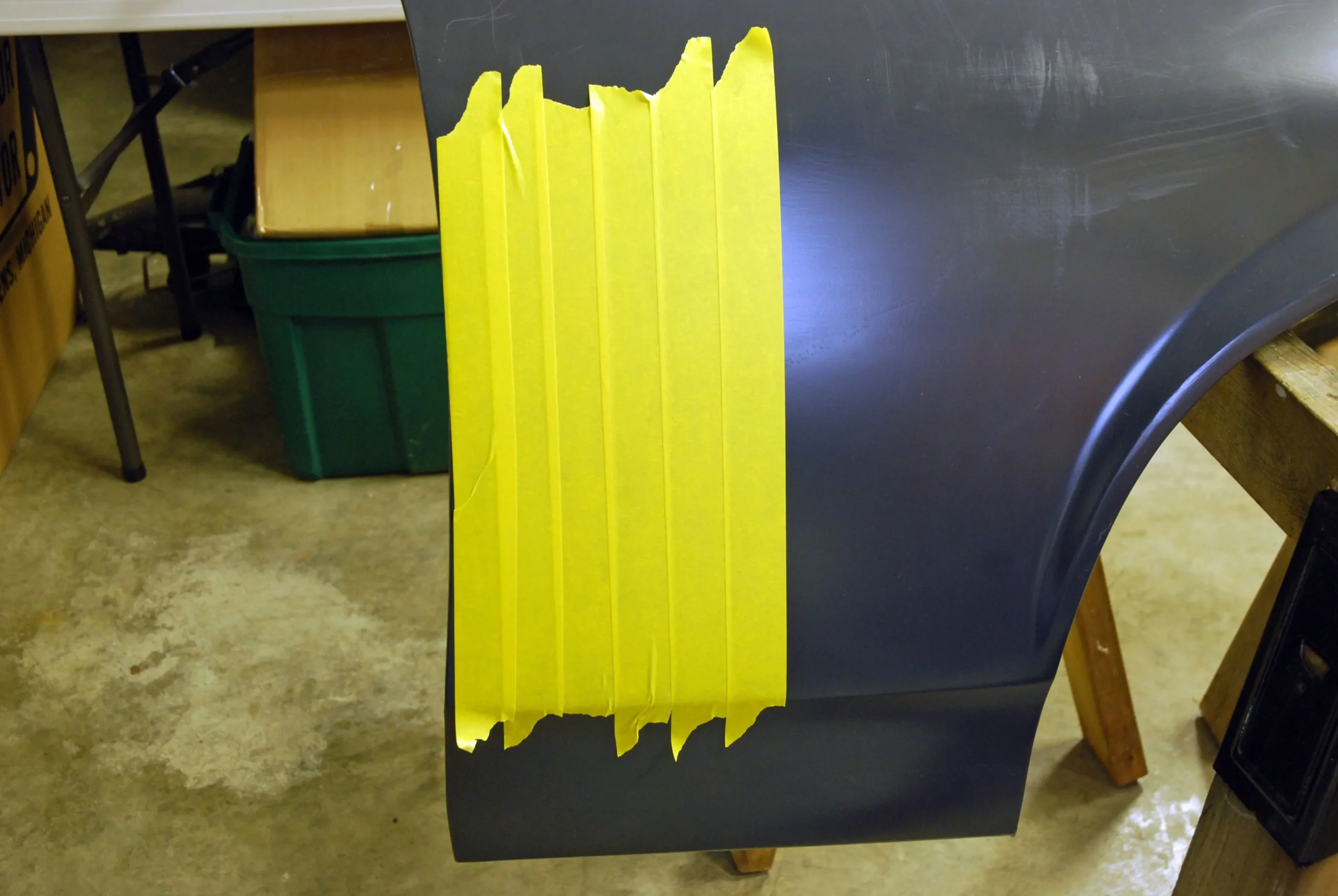
First, the area on the expoxy primed fender was covered in painter’s tape.
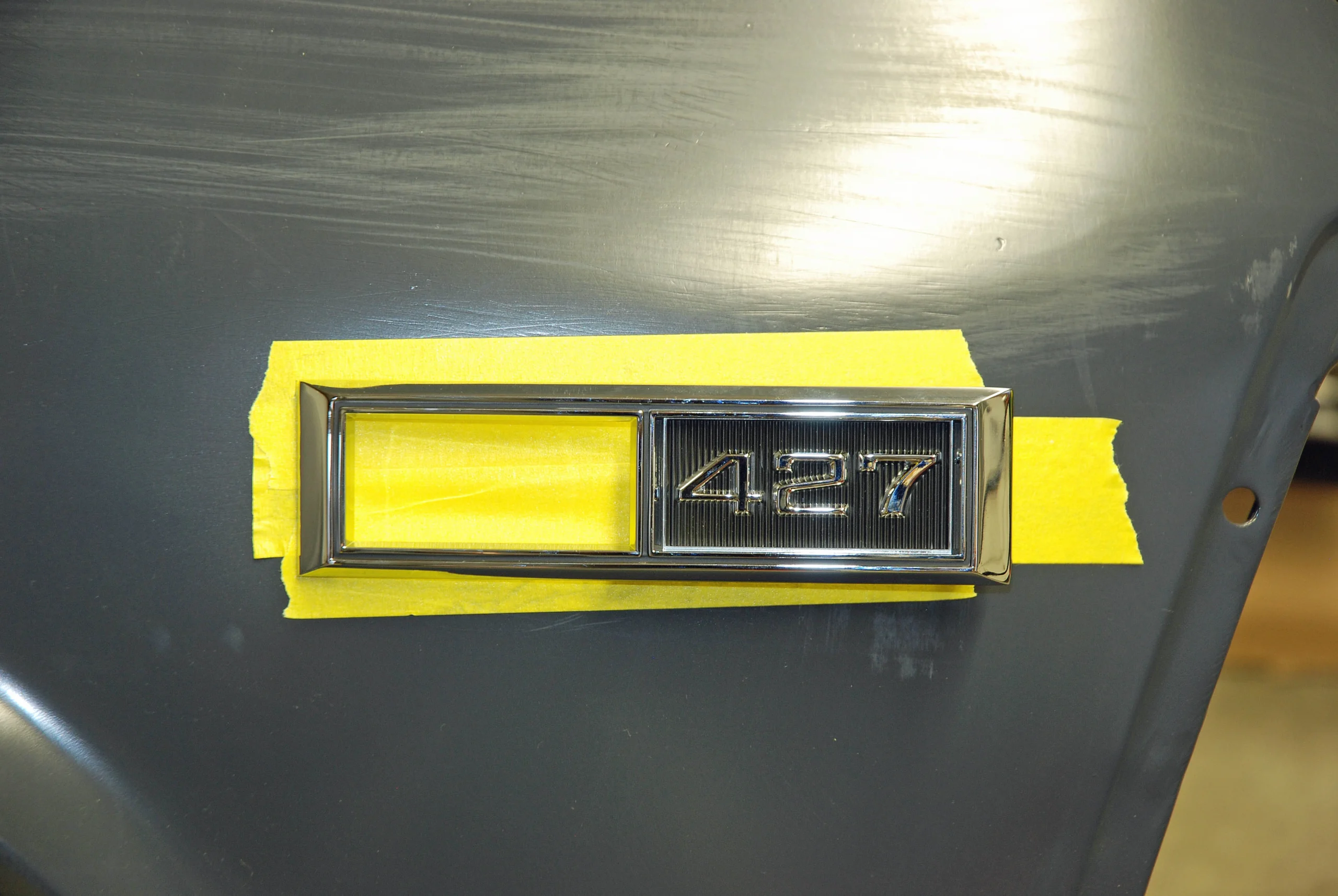
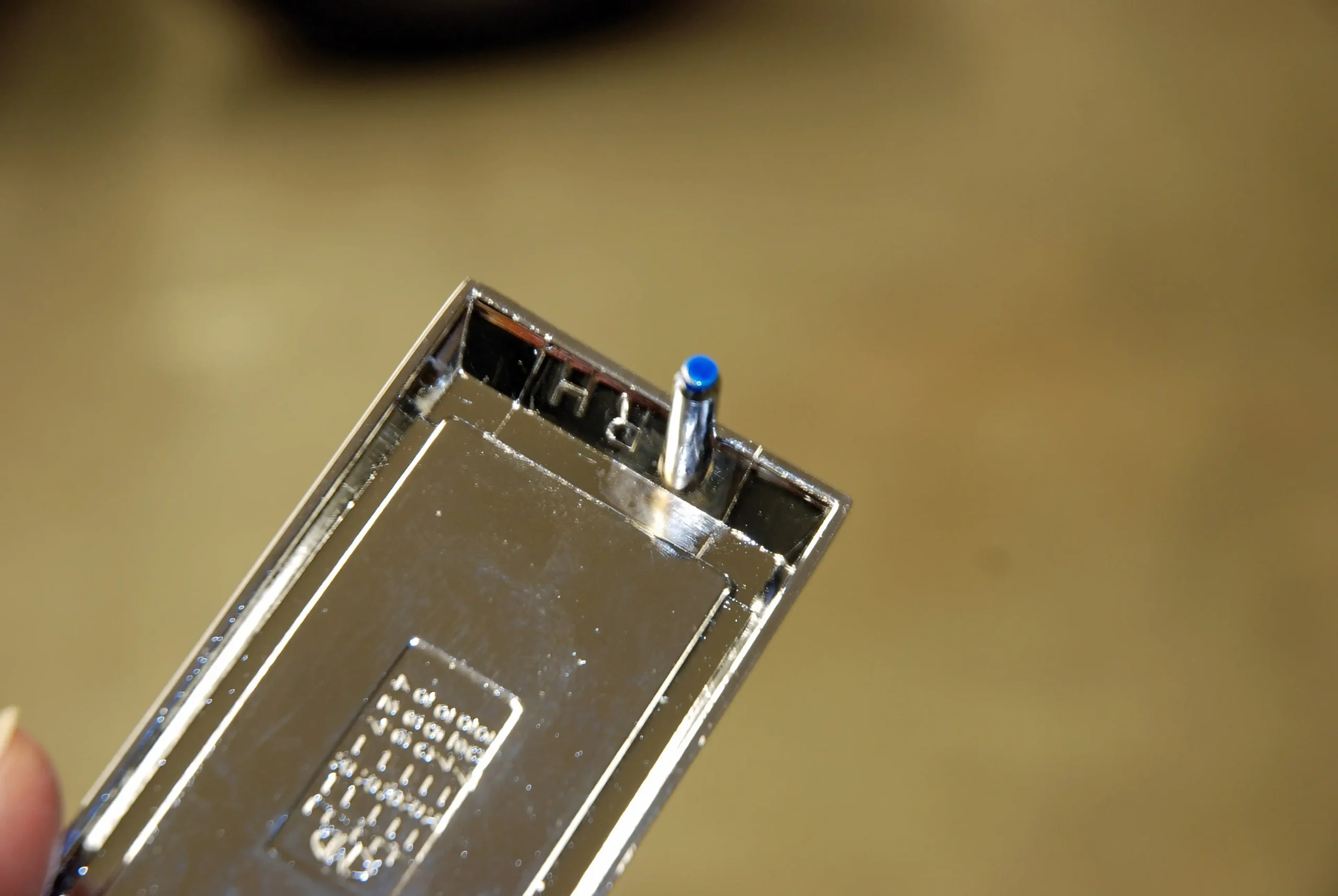
Next, the side marker bezel from Ground Up was test fit.
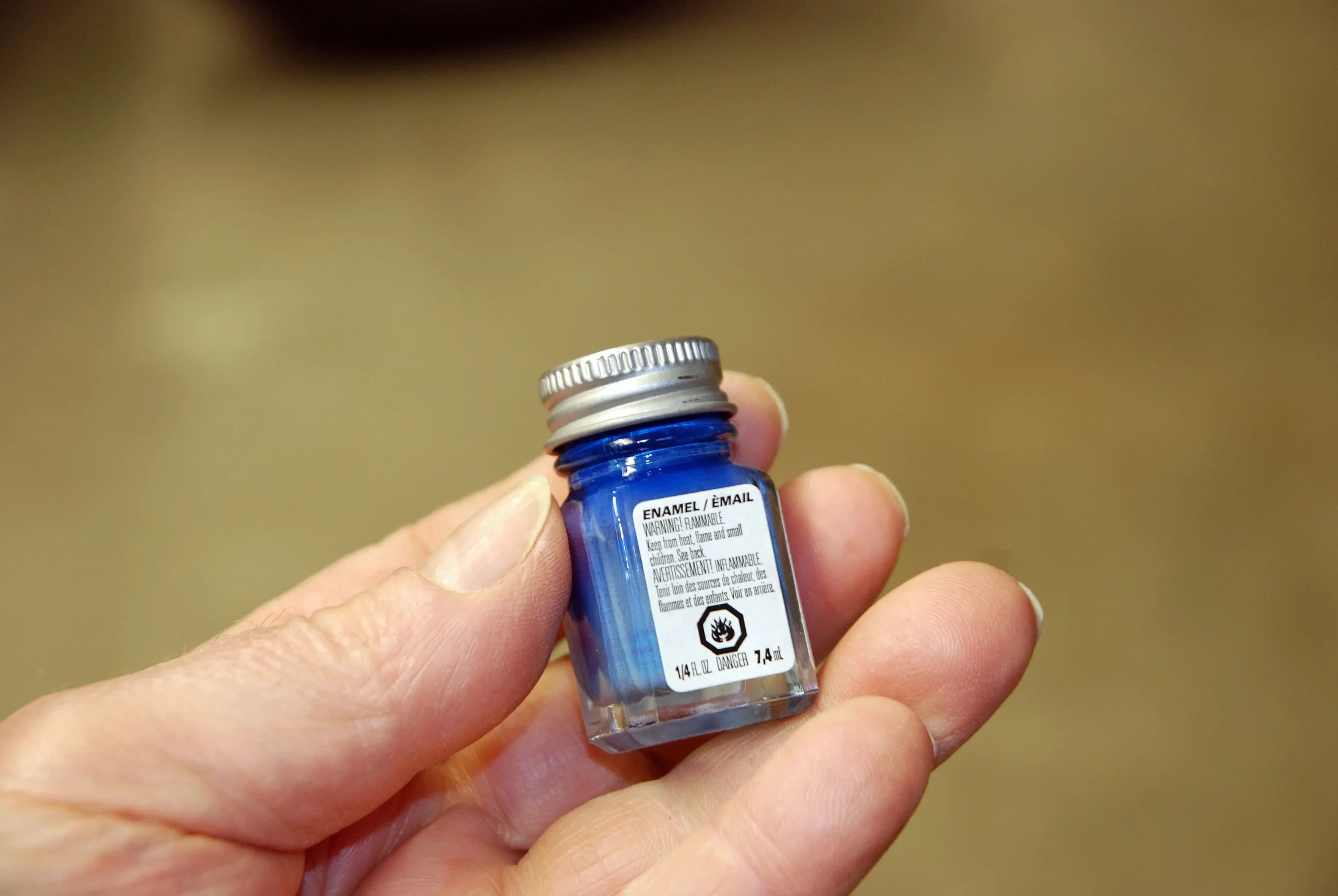
In order to figure out where to place the hole, simply dip the very end of the mount stud in a bottle of model car paint.
Then reposition the emblem.
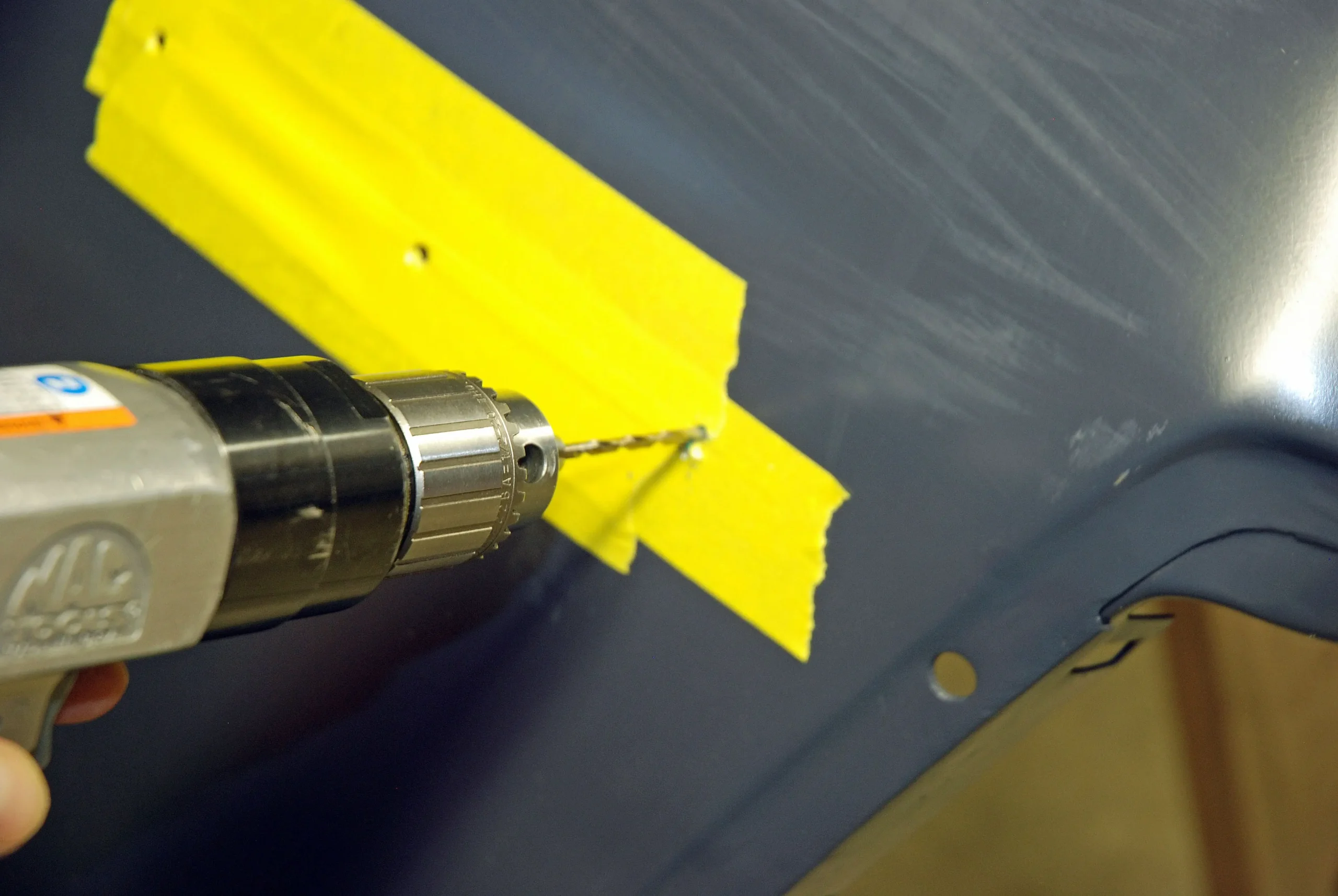
The model paint left a distinct circle on the painters tape. Obviously, that’s where you drill.
Test fit the emblem. It’s done!
The same process was used on the SS fender louver. Cover the primed fender with tape, mark off the hole location and then drill away. But there’s a catch:
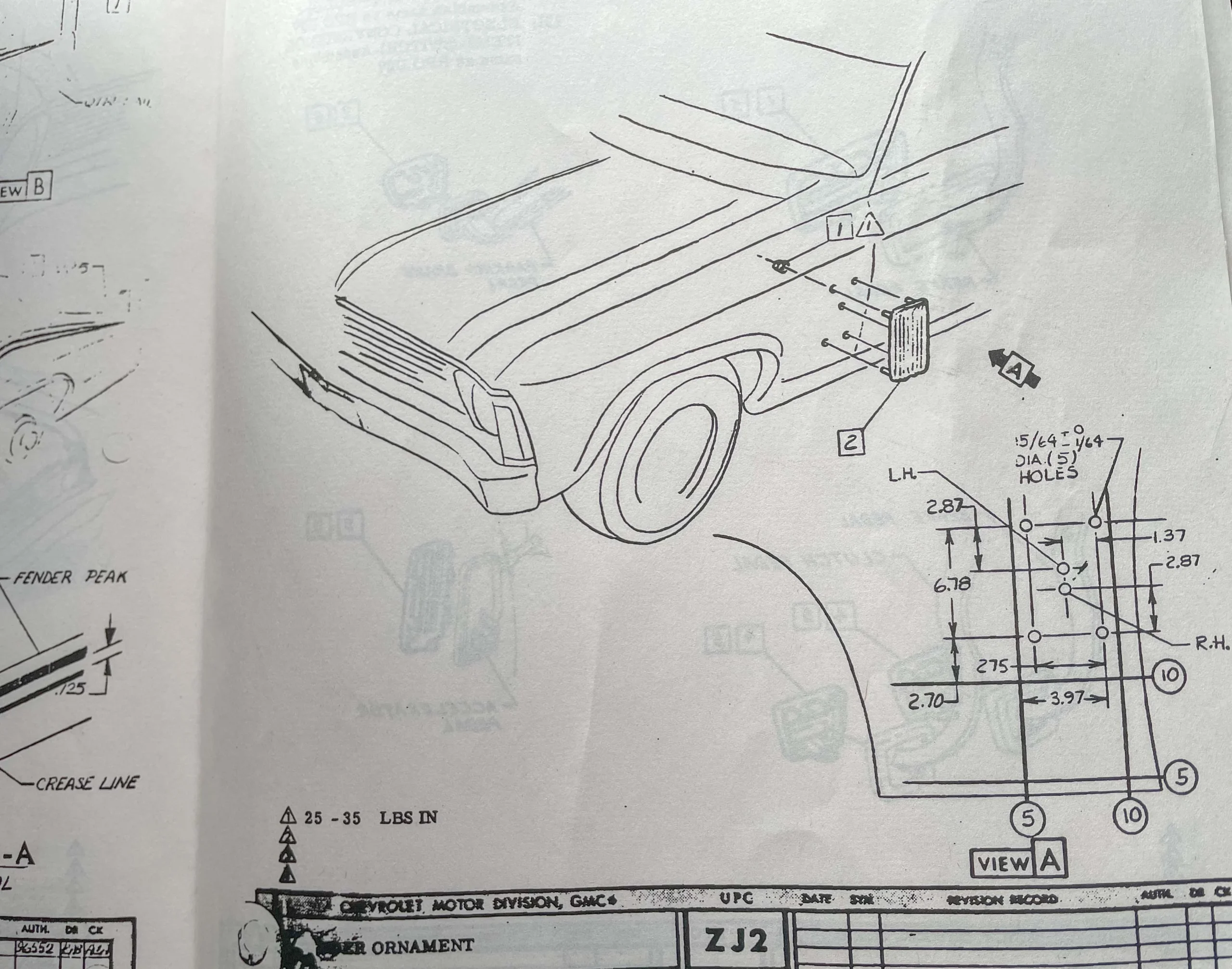
With a Chevy, you can use the factory Assembly Instruction Manual (AIM) for hole location measurements. You’ll note the factory never placed some items such as the louvers exactly. There was a bit of fudge factor involved and they tend to vary from car to car.
Unfortunately, there’s another catch: It’s probably good to have the left and right sides of the fender to match. In the next issue, we’ll show how it’s accomplished: