When you regularly work on hot rods and race cars, you just know the rewards for getting dirty and maybe a wee bit beat up are worth it. Of course, it also means that along the way, you can also acquire smashed knuckles, bandaged skin and in some cases, stitches (or worse) in the process. Some folks even wear those stitches and Band-Aids like badges of honor (been there, done that!), but there are some less painful paths to take. Taking a few simple precautions can go a long way toward avoiding a trip to the local medical clenic or the ER. Check out the following. We’ve laid out 40 safety-first shop tips. Like them or not, they can save you some band aids…or worse. Here’s the first of our four-part series:
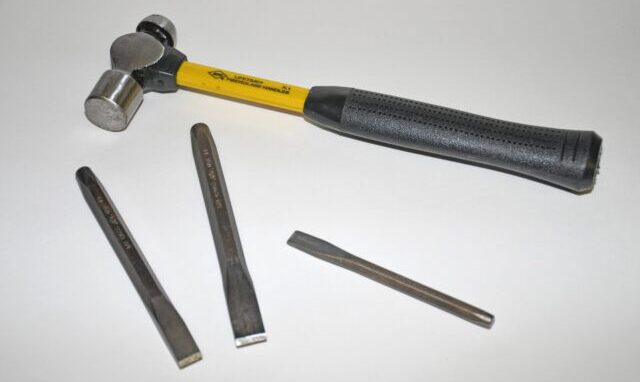
When working with punches and chisels, do not use examples with mushroomed heads. When using a punch or chisel, never point the tool toward your body. Instead, point the work (forces) away from your body. When handing a sharp tool such as a chisel to another person, direct sharp points and cutting edges away from yourself and the other person.
Click Here to Begin Slideshow
It might be hard to believe (because we should know better) but carbon monoxide asphyxiation from exhaust gases is actually common in an auto shop. The trouble is, most of us take it for granted. If a car is operated in an enclosed shop, connect the exhaust to a flexible exhaust hose vented outside of the building or open the door and use a fan to force the exhaust outside.
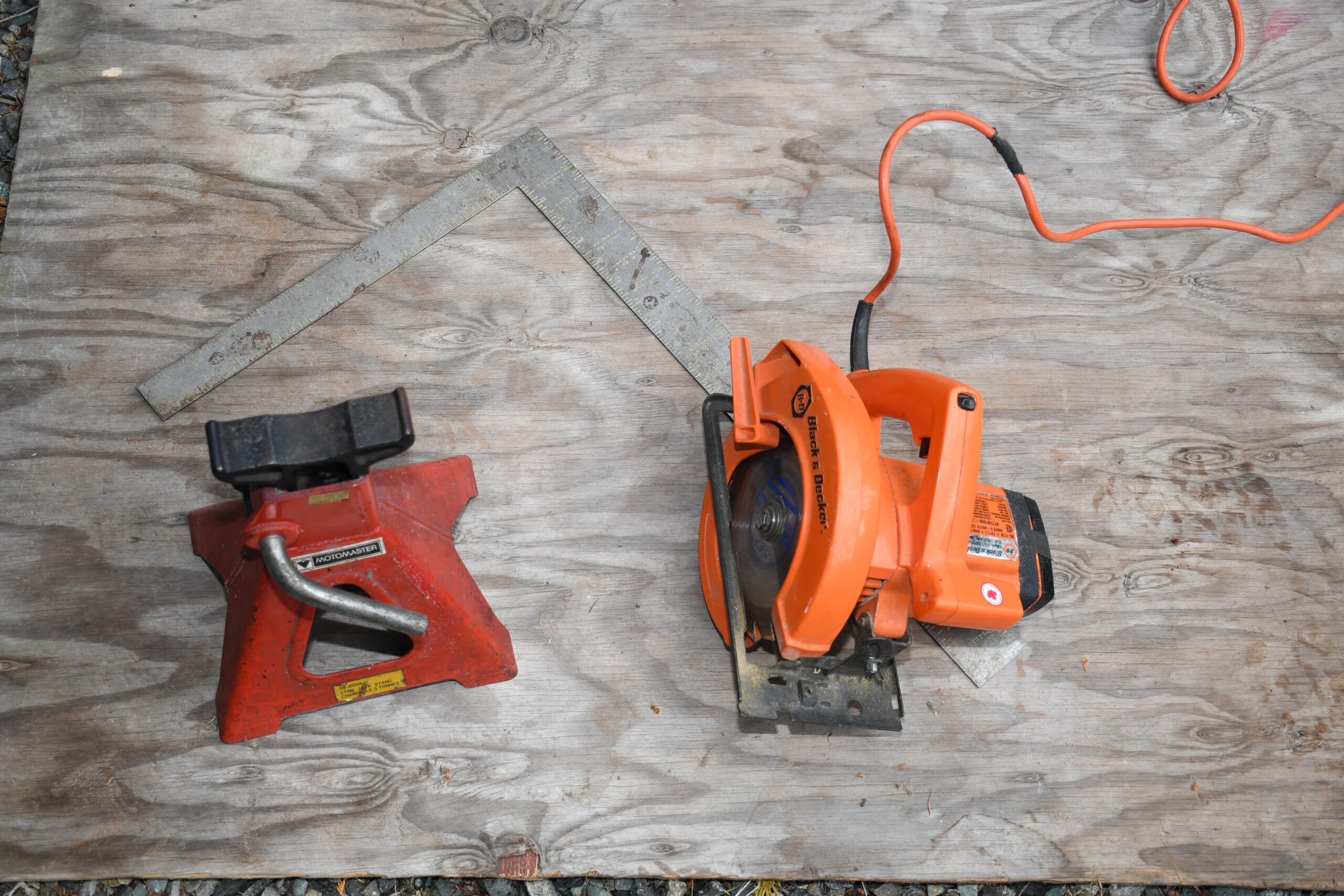
At the race track, you’ll often be forced to use axle stands on soft or otherwise unstable ground. Sometimes, the stands will sink out of sight. Clearly, this makes the vehicle unstable. The solution is to cut out four 3-foot X 3-foot sections of 1/2-inch plywood and then use them under the axle stands.
Never stir up asbestos dust. Asbestos dust (regularly found in some brake and clutch assemblies) is a well-known and powerful cancer-causing agent. Because of this, you shouldn’t use compressed air to blow dust from brake and clutch parts. Use brake cleaning chemicals to remove asbestos dust from brake assemblies.
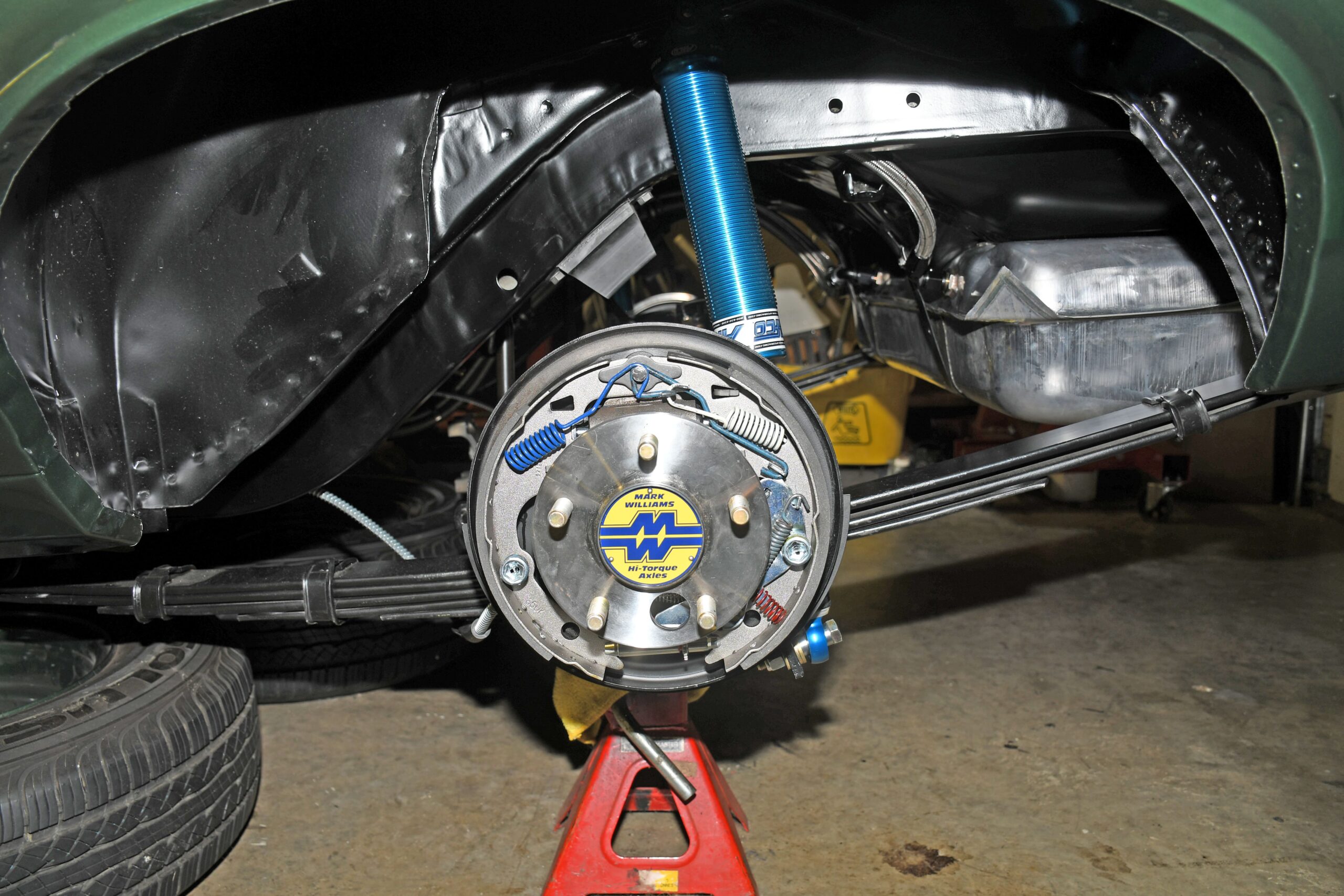
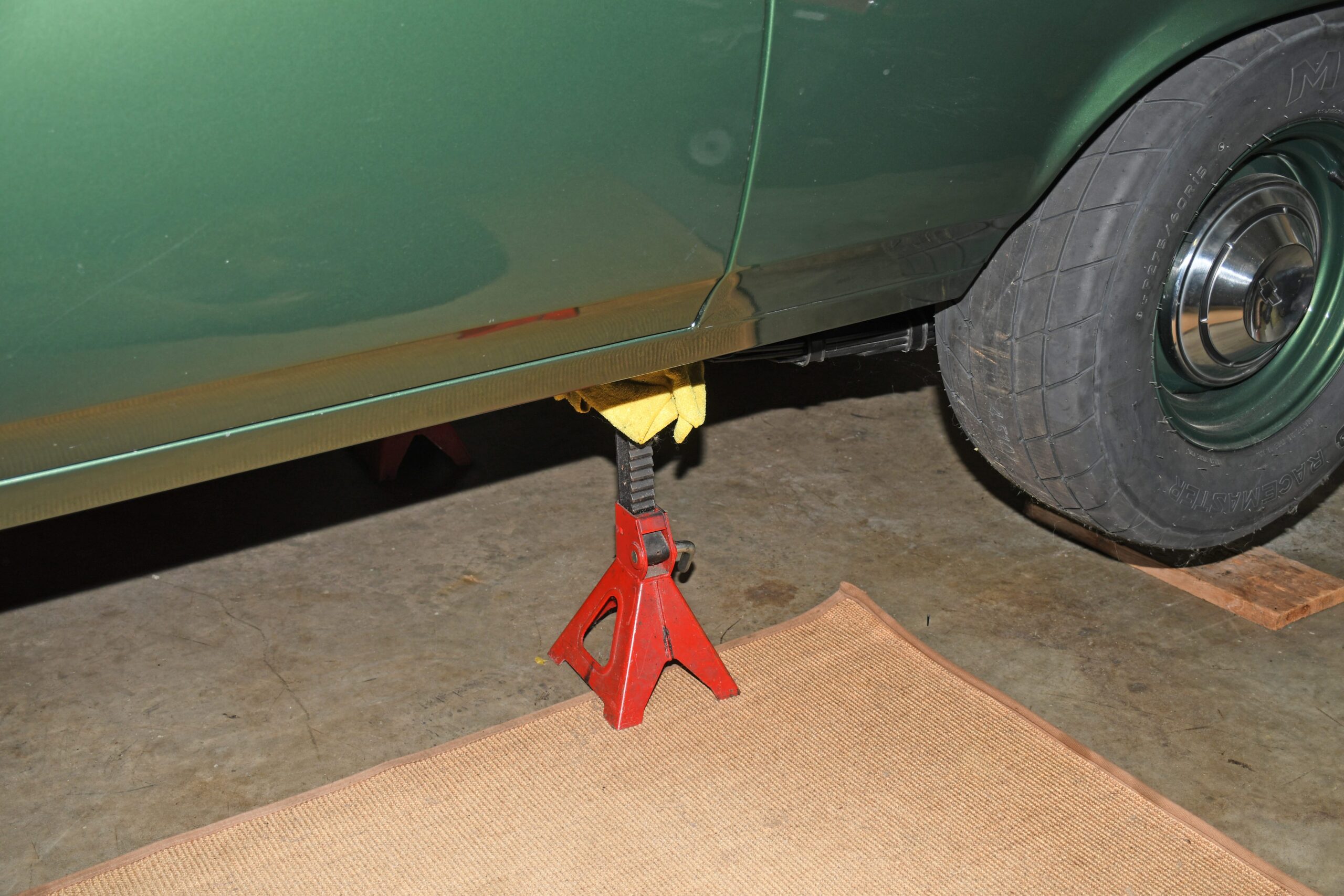
Once you jack a car up and position it on axle stands, give it a few up and down and sideways shakes on the bumpers or fenders. The shake test ensures that the axle stands are fully engaged. Nothing is more unnerving (or maybe more dangerous) than climbing under a car and discovering the ratcheting axle stands aren't fully engaged.
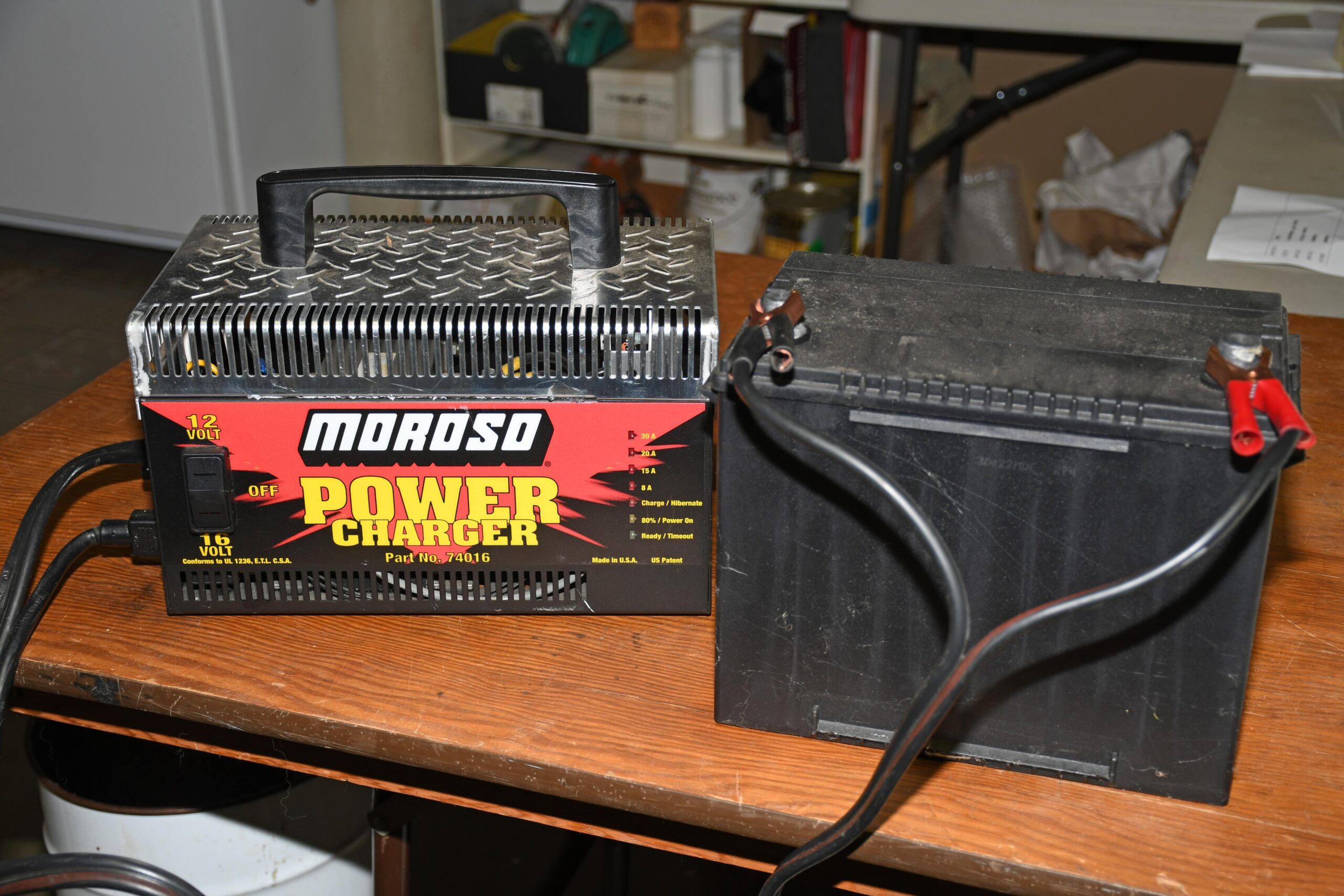
If you’re charging batteries on a workbench or in your car, be cautious when it comes to sparks, open flames and cigarettes. The charger and the battery aren’t the problems -- its the fumes given off by the charging battery. Not only are the fumes toxic, remember they're highly explosive.
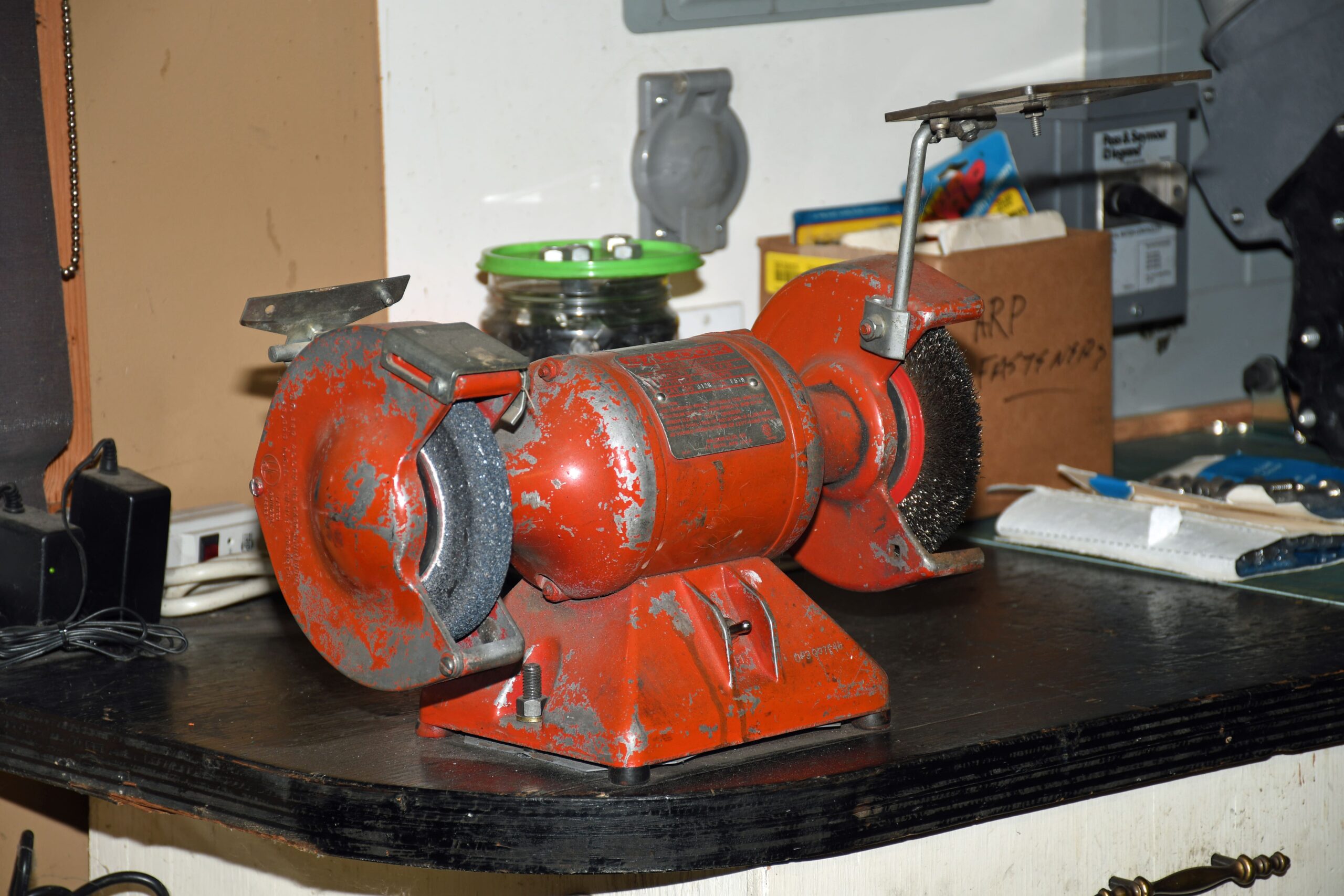
Sometimes when working with power-tools or machinery, the tool tends to feel sluggish or slow. Regardless of how sluggish the machine “feels” or how long the task is taking, it’s important to never force the machine to do something simply for the sake of getting it done faster. Excercise some patience. If you’re forcing the speed, there’s a good chance you can force an accident too.
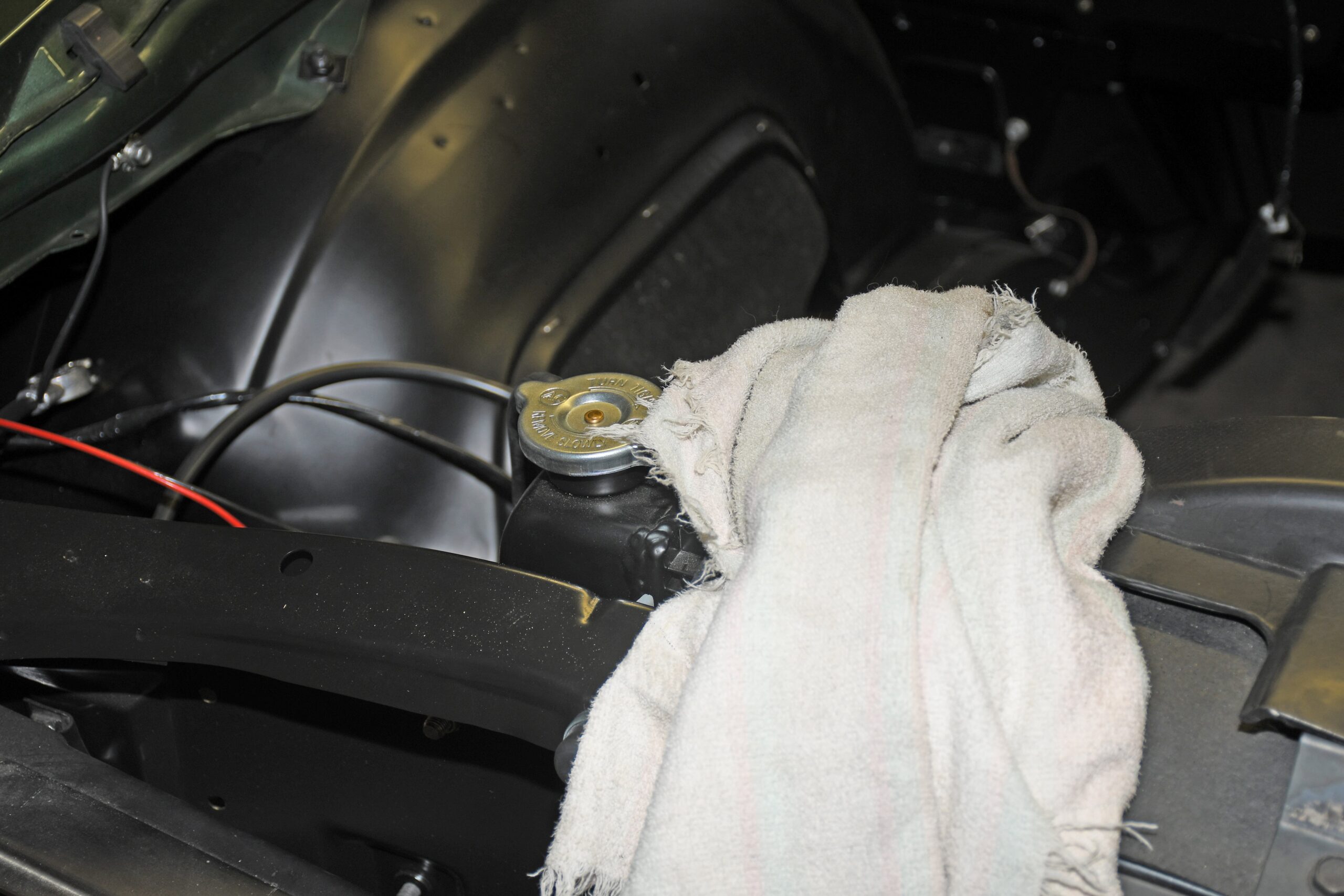
Any time you open a radiator cap, keep this in mind: The radiator is under pressure, often upwards of 15 PSI. And coolant operating temperatures can exceed 230-degrees F. Should the radiator cap be cracked open carelessly, there’s a chance the system will erupt (most often all over you). Its obviously dangerous and at the same time incredibly messy. Wait for the coolant temperature to subside. Use a large soft shop towel to slowly open the cap. Wait for any steam to disperse; then continue to slowly open the cap.
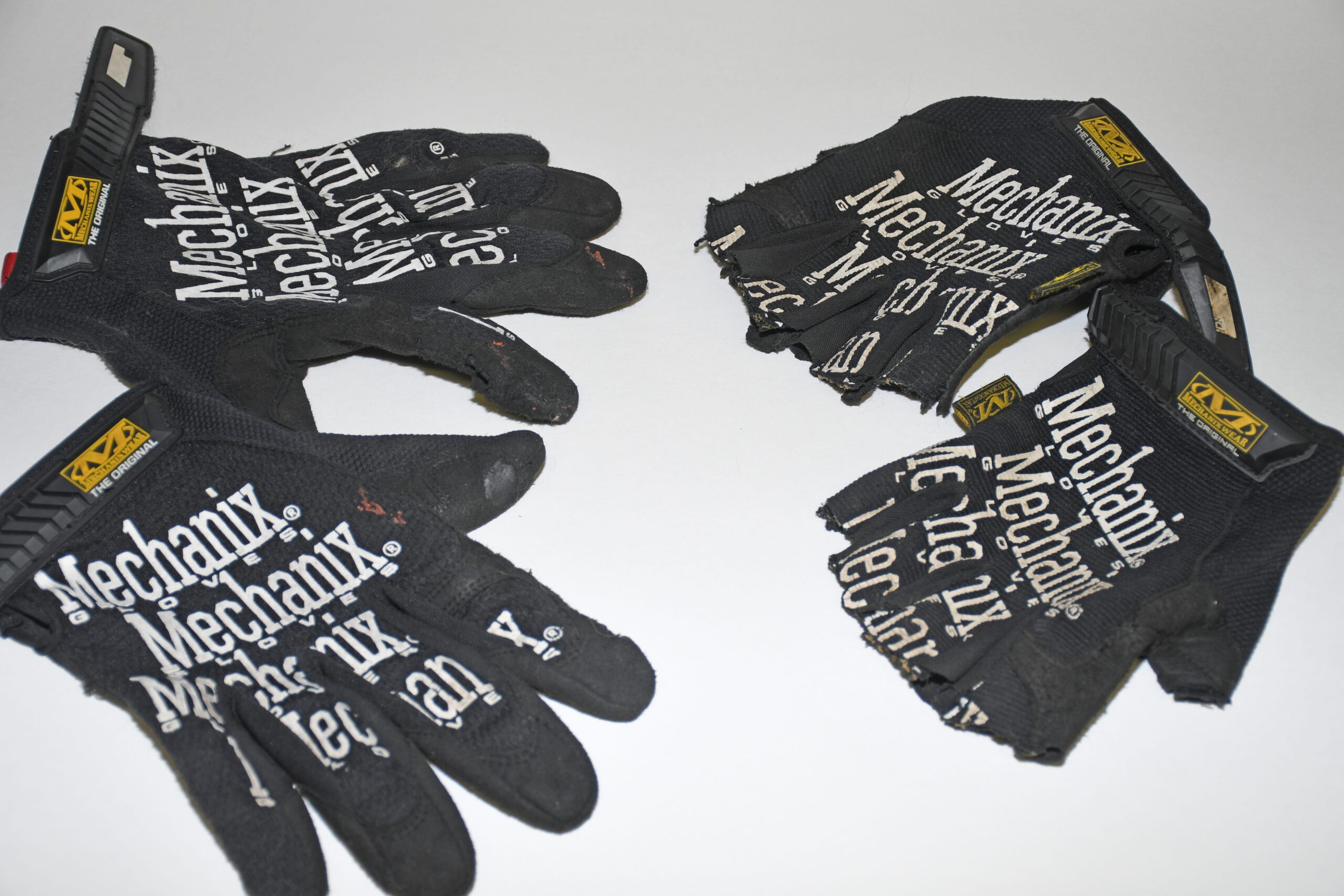
OK. I hated them at first. Now I can’t work on a car without them. And that’s of course, mechanic’s gloves. They keep your hands clean. The chances of cutting yourself are lessened. Ditto with bruises and other other injuries. And if you think you can’t “feel” something like a fastener, cut the finger tips off an old pair. That way you can still get some basic protection.
BONUS TIP*
TOOL POUCH: Never use a pocket as a tool pouch. Never carry sharp tools or parts in your pockets – even temporarily. One wrong move and you can easily slice your skin.